Define the Offered Sections
Start with the seller’s asset list, then compare it with the sections the organization is actually prepared to offer. A switchboard may be represented as one line item even when the proposed sale covers only selected sections, or an inventory may divide what the seller regards as one assembly into several entries. State the boundary being offered in plain terms; do not assume a shared lineup, room, or label means every adjacent section is included.
Identify the equipment as Eaton switchboard sections only to the extent that this matches the seller’s existing marking or records. That wording reports the identification supplied; it does not establish a model, product history, manufacturer relationship, or suitability for another installation. If the marking cannot be read in an available exterior photograph, record that as unknown rather than filling the gap from an inventory description.
Reconcile Section Boundaries and Functions
For each offered section, reconcile the asset-list entry with any existing lineup drawing, schedule, or other accessible record that identifies its place in the arrangement. Note whether the document describes an individual section, a group of sections, or a complete lineup. If records use different identifiers, preserve both references and flag the discrepancy; a seller should not infer that differently numbered entries are duplicates or that similar names establish a match.
Record reported incoming and outgoing functions section by section, using the terms already present in available documentation. One entry might be described as incoming and another as serving outgoing circuits, while a third function may be unclear. Keep reported function separate from verified function: no seller testing is necessary, and the seller should not energize, open, isolate, disconnect, or otherwise handle equipment to resolve an uncertainty.
Capture Nameplate and Exterior Information
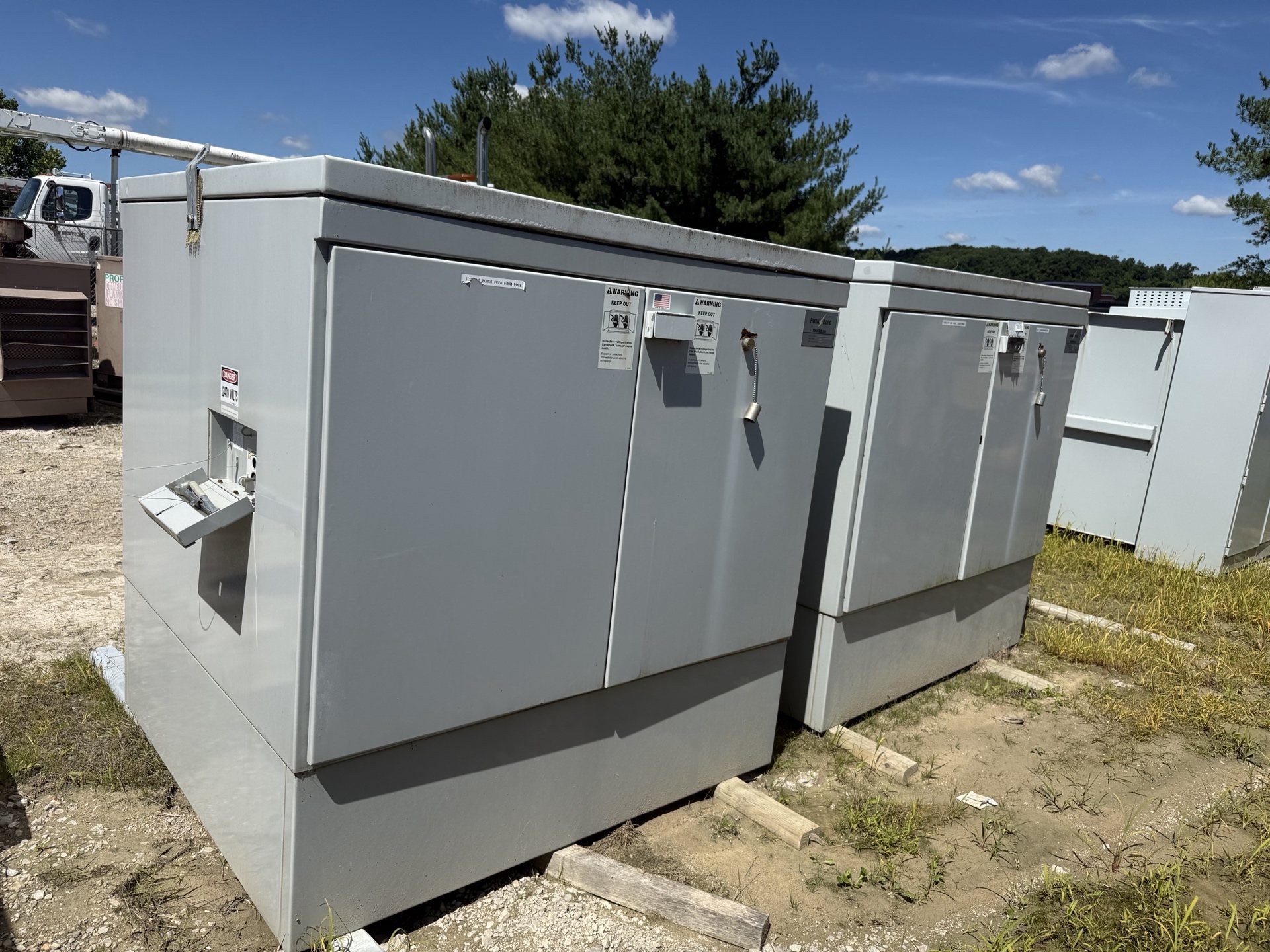
Existing, safely accessible photographs can help distinguish sections that otherwise look similar in an asset list. Useful views may show exterior nameplates, visible section identifiers, the overall lineup, and the boundaries between the assets proposed for sale. Share only images already available or obtained without approaching or handling equipment; if a detail is obscured, unreadable, or absent from the records, identify it as unavailable rather than attempting to uncover it.
Note missing covers only when the condition is visible from outside in information already available. Describe the observation without guessing what lies behind an opening or whether a component is absent, damaged, or unsafe. A photo can document an exterior appearance, but it cannot establish internal condition, completeness, operating status, or compatibility. Those remain unknown unless supported by appropriate existing documentation or review.
Keep Records and Unknowns Distinct
Assemble records that already exist and relate to the proposed sections, such as asset schedules, drawings, photographs, or prior inventory descriptions. Do not treat a document’s presence as proof that it accurately describes the equipment currently on site. Where a record names a section but the available exterior information does not confirm the match, show both facts: what the document says and what remains unconfirmed.
A useful reconciliation preserves uncertainty instead of smoothing it away. Mark absent serial or model information as not provided, an unreadable plate as unreadable, and a disputed boundary as unresolved. Avoid estimating age, condition, rating, or completeness from appearance alone. This gives a buyer a clearer basis to review the offer while preventing an assumption in a spreadsheet from becoming a claimed equipment fact.
Confirm Authority and Sale Scope
Before presenting sections, establish internally which assets the seller is authorized to release and whether the proposed sale excludes neighboring equipment, retained sections, or other site property. A department’s inventory entry may help locate an asset without proving authority to sell it. If ownership, approval, or the boundary of the release is still being checked, say so; do not represent the full lineup as available until the authorized scope is clear.
Keep the proposed equipment transaction separate from any expectation of wholesale facility demolition or general electrical work. Florida Switchgear Buyers purchases used, surplus, and decommissioned electrical switchgear and related equipment across all voltage classes, including equipment from decommissioned data centers and closed power plants. For assets it purchases, the company handles crane, rigging, disconnects, loading, freight, and hauling; that does not establish that every listed section will be purchased.
Prepare a Reviewable Offer Request
Send the reconciled list with existing exterior photographs and records, and state which details are seller-reported versus documented or visibly shown. Do not arrange seller testing to strengthen the submission: testing is not required. Only qualified professionals should handle electrical equipment, and the seller should not open, energize, isolate, disconnect, move, or otherwise handle sections for photographs or inspection.
Florida Switchgear Buyers makes cash offers and pays upfront for equipment purchased. The offer and the precise assets purchased depend on review, so neither a listing entry nor an Eaton marking guarantees acceptance or value. To discuss the proposed sections, contact (614) 715-3047 or saleselectricalbuyers@gmail.com. Keep any unresolved identification, condition, or authorization question explicit when requesting review.