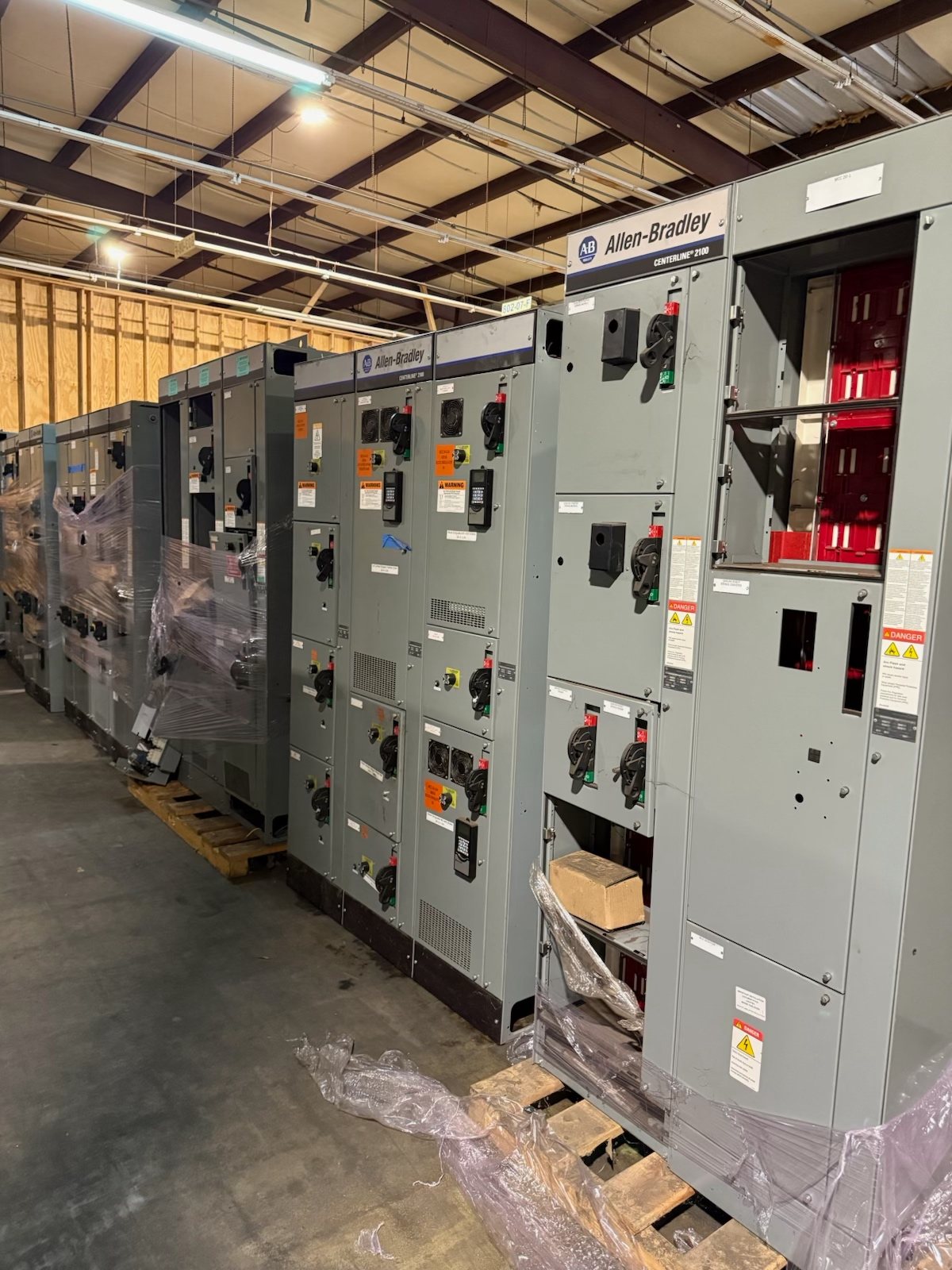
Start with the seller-reported identification
If equipment is being presented as Schneider busway sections, record that wording as the seller-reported marking rather than treating it as confirmation of a model, product history, or current suitability. A decision maker can then pass the same careful description to a buyer without turning a visible name into a claim about manufacturer involvement, compatibility, or condition.
Use existing, safely accessible exterior information only. If a label, tag, or prior inventory already shows a section number, rating, or other identifier, copy it as written and note where it came from. If no marking is available or it cannot be read from an existing image, enter “unknown” rather than asking anyone to approach, open, test, or handle the equipment.
Separate straight sections from fittings
An inventory is easier to review when straight busway sections are listed apart from tap-off units and other fittings. Keep the owner’s categories intact where possible; do not combine unlike pieces into one total merely because they were stored together. This distinction helps a buyer understand what the seller says is present while leaving the precise assets considered for purchase subject to review.
For each category, report a count only when someone can support it from existing records or safely obtained visual information. If a record gives a quantity but the current visible arrangement appears different, preserve both facts and identify their sources rather than choosing one. Missing or uncertain counts should remain explicitly unresolved; no one needs to move equipment to reconcile the list.
Capture available ratings and records
Share section and rating information only when it already appears in an accessible inventory, label image, or other existing documentation. Keep units and wording as recorded, and distinguish a stated rating from a value that someone has inferred. Such details may help the buyer assess the submission, but they do not establish electrical condition, application fit, or compatibility with another system.
A decision maker can assemble the records already available, such as asset schedules, purchase documents, or photographs, without commissioning new testing for this review. Mark each item as available, not located, or unknown. A missing document is not evidence that a section lacks a particular attribute; it simply limits what can be represented accurately at this stage.
Describe gaps and storage history
List known missing pieces separately from equipment that is merely uncounted or unidentified. For example, an existing handoff record might say that a fitting was removed, while another category may have no count at all. Keep those statements distinct and attribute them to the record or person who supplied them. Do not present a suspected gap as a confirmed absence, or assume that an incomplete set will be accepted.
If the owner’s records describe packaging or storage, pass along the wording and its source: for instance, whether pieces were recorded as boxed, wrapped, or kept indoors. If storage history is unavailable, say so. Neither packaging descriptions nor exterior appearance prove preservation or operating condition, and sellers should not unpack, open, or otherwise handle equipment to improve the submission.
Make the information handoff traceable
A concise handoff can identify who compiled the list, which records were consulted, and which entries remain uncertain. This lets a decision maker correct a count or clarify a label before forwarding the information, without implying that the compiler personally inspected the equipment. When two records disagree, include both versions and note the discrepancy instead of silently selecting the more favorable description.
Photographs may be shared when they already exist and can be provided without approaching or manipulating electrical equipment. Pair each image with a neutral caption, such as the inventory category or recorded location, if known. Avoid claims about safe condition, completeness, or compatibility based on an image. Only qualified professionals should handle electrical equipment; seller testing is not necessary for an initial review.
Request review and clarify the purchase scope
Florida Switchgear Buyers purchases used, surplus, and decommissioned electrical switchgear and related equipment across all voltage classes, including equipment from decommissioned data centers and closed power plants. It makes cash offers and pays upfront for equipment it purchases. The offer and the precise assets purchased depend on review, so listing Schneider-marked sections does not promise acceptance, a particular price, or purchase of every associated fitting.
For review, contact (614) 715-3047 or saleselectricalbuyers@gmail.com and share the available list, records, and safe exterior photographs. Sellers do not need to test equipment. For assets purchased, the buyer handles crane, rigging, disconnects, loading, freight, and hauling; this is purchasing and removal of purchased equipment, not a promise of whole-facility demolition or general electrical services.