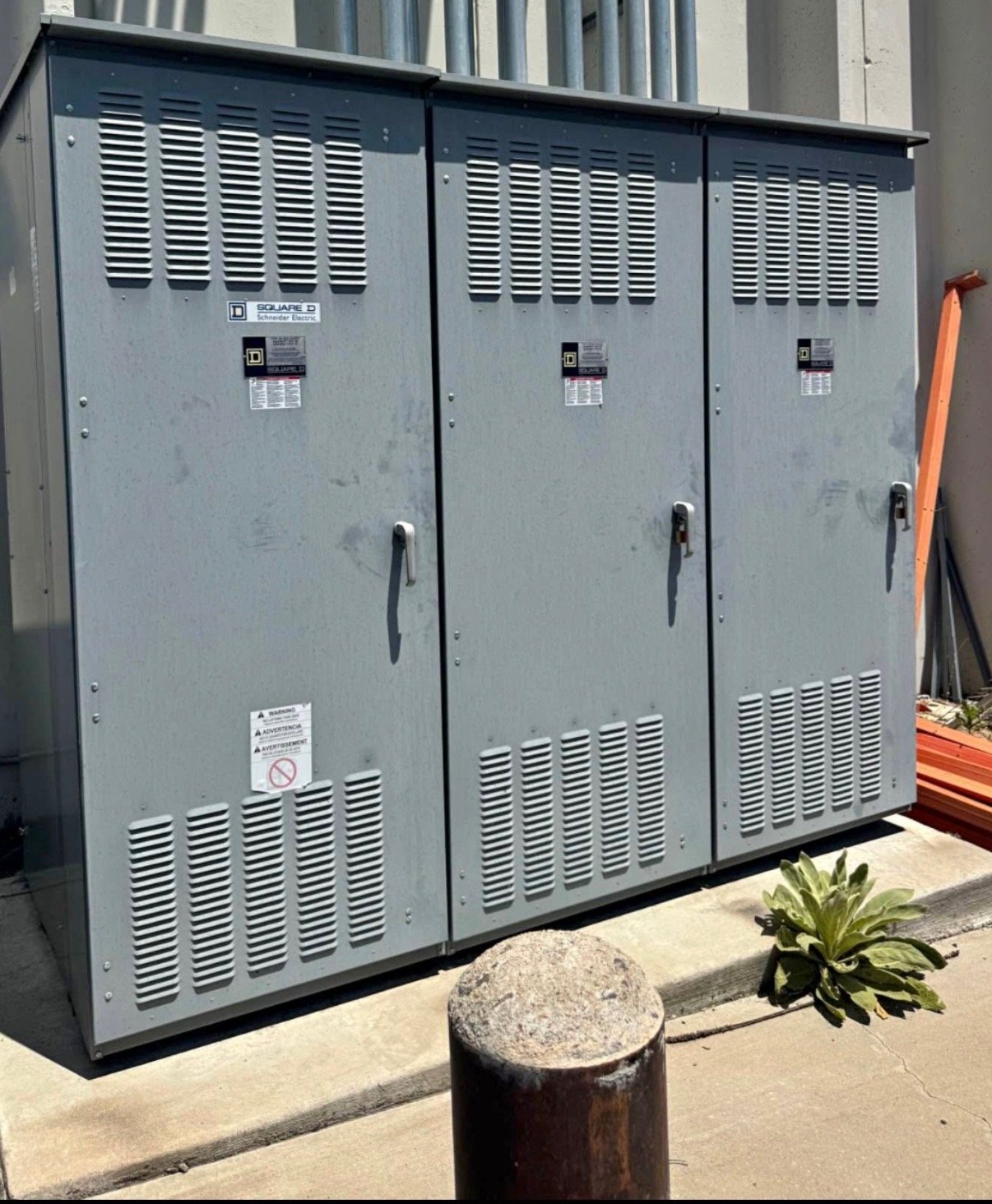
Start with the marking, not an assumed model
If equipment is identified as GE low-voltage switchgear, record that wording as it appears on an existing label or in available documents. A seller-reported marking is a useful starting point for review, but it does not establish a precise model, configuration, product history, or present condition. Preserve uncertainty where the label is unreadable or the records use different names rather than trying to reconcile them by guesswork.
The person preparing an inventory may not be the person authorized to approve a sale. A clear handoff keeps those roles distinct: the inventory can describe what is reported and visible in existing materials, while the decision maker confirms which assets may be considered. Do not infer ownership or sale authority from a facility’s use of the equipment; route those questions to the appropriate responsible party.
Inventory sections without combining ratings
For each assembly, list the main section and feeder sections separately when existing drawings, schedules, or safe exterior views identify them. Give each section a consistent location or inventory reference so a reviewer can connect the written description to the correct photograph or record. If the section count is uncertain, mark it as unknown instead of presenting an estimate as a verified total.
Keep assembly ratings distinct from breaker ratings. If an existing record gives a rating for the overall assembly and another identifies individual breakers, record each under its own heading and retain the source where possible. Do not calculate, infer, or substitute a missing rating. When a label or record cannot be read, note that the information is unavailable; seller testing is not necessary for a review.
Describe installed and stored status
State whether each identified section is reported as installed or stored, and make clear when that status is based on an existing inventory rather than a current inspection. For installed equipment, a seller may have accessible records or exterior photographs; no one should approach or handle equipment to produce new information. For stored equipment, note the storage location only at a level the seller can safely and appropriately disclose.
Status can affect how the information is interpreted without proving condition or readiness for removal. A section listed as stored may still have missing parts, while installed equipment may have incomplete documentation. Record those distinctions instead of describing equipment as complete, operational, compatible, or ready for purchase unless reliable information supports the wording. Any unknown state should remain explicitly unknown until review.
Note gaps and incomplete components
If available records or existing exterior photographs show a missing cover, an apparent blank position, or another incomplete component, describe only what can be safely observed or documented. Separate a visible observation from an explanation: a gap in a photograph does not establish why a component is absent, whether it is required, or whether other parts are present. Avoid opening enclosures or moving stored items to improve the inventory.
A practical record can distinguish components reported as included, components reported as absent, and components whose status is unknown. This helps the seller’s decision maker review the proposed sale scope and lets a buyer identify questions without treating an incomplete assembly as automatically acceptable or unacceptable. Florida Switchgear Buyers reviews the information and determines which precise assets, if any, are included in an offer; acceptance is not established by a brand marking.
Pass records through the decision chain
When the person compiling details is not the sale decision maker, send the same inventory and source records forward together. Identify who supplied each description, which entries come from a label or existing document, and which remain unverified. This prevents a tentative description from becoming a claimed specification as it moves from site contact to manager and then to buyer.
Existing accessible documents and photographs may be shared for review, including inventories or records that distinguish main sections from feeders. There is no need for the seller to test equipment, energize it, open it, disconnect it, or otherwise handle it. Only qualified professionals should handle electrical equipment. If a requested fact is missing, say so plainly and let the review proceed on the information available.
Clarify purchase scope and removal handoff
Florida Switchgear Buyers buys used, surplus, and decommissioned electrical switchgear and related equipment across voltage classes, including equipment from decommissioned data centers and closed power plants. It makes cash offers and pays upfront for equipment purchased. Any offer and the exact assets purchased depend on review, so an inventory should not be treated as a purchase commitment or as confirmation that every listed section will be accepted.
For equipment purchased, the company handles crane, rigging, disconnects, loading, freight, and hauling. That removal arrangement applies to purchased assets; it is not a promise of wholesale facility demolition or general electrical services. To pass along the reviewed inventory or ask about the equipment, contact (614) 715-3047 or saleselectricalbuyers@gmail.com. Keep the handoff focused on identified assets and the records already available.