Start With What the Records Actually Show
A hypothetical authorized seller in Collier County may have a nameplate photograph, an old asset register, or only a site record identifying outdoor switchgear. These sources are not interchangeable. Describe each item by its source and date, and distinguish a marking visible in an existing image from a detail copied into a record. If neither confirms a fact, call it unknown rather than filling the gap by inference.
A record might identify a manufacturer, model, serial number, voltage class, or asset tag, but not every field will be legible or present. Transcribe only what the existing accessible material supports; note illegible characters as such. A partial model reference can help identify an assembly without establishing its configuration, operating condition, or completeness. The buyer can review the available information without asking the seller to test the equipment.
Describe the Enclosure Without Opening It
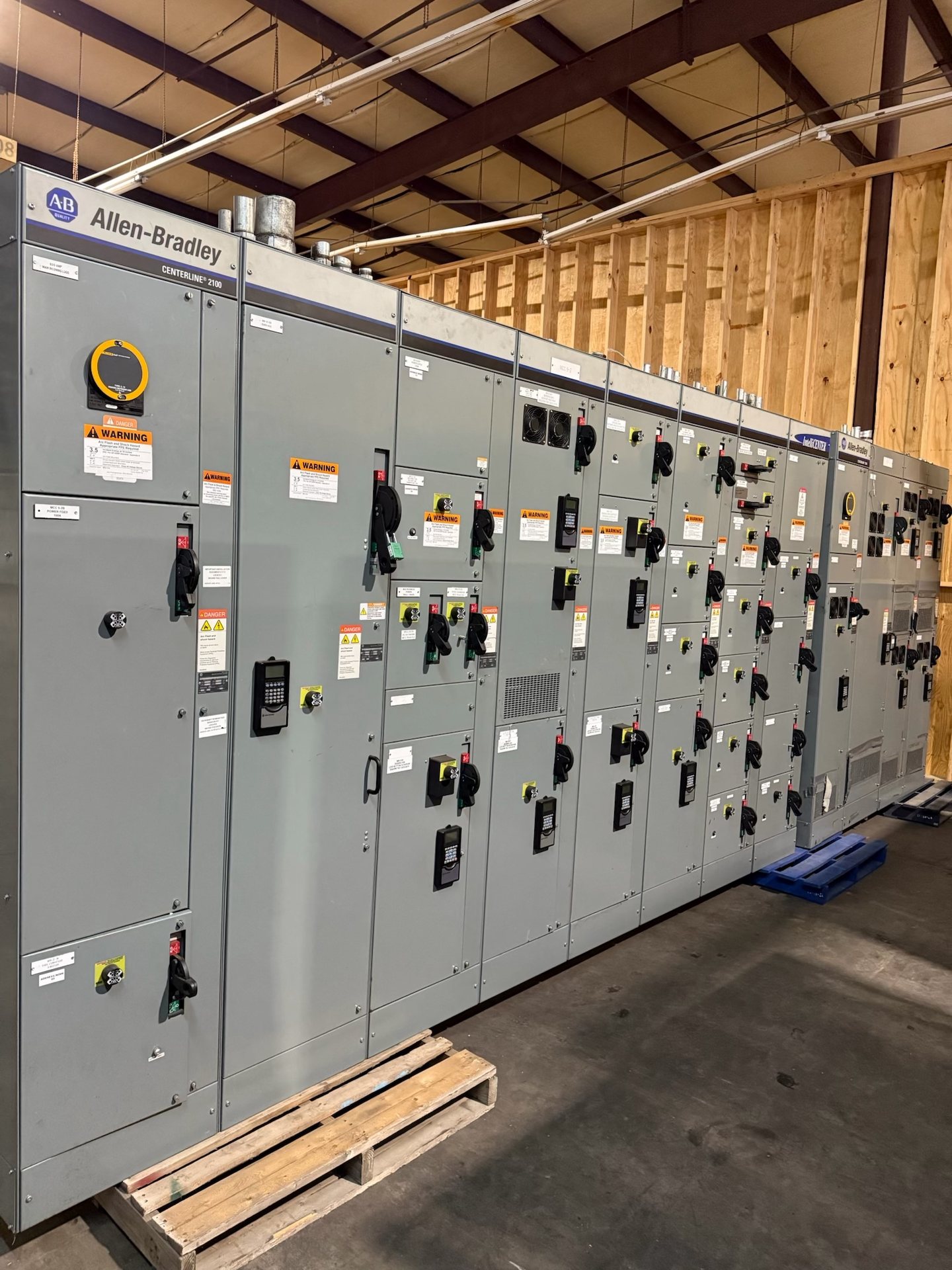
Visible exterior markings can resolve whether a record refers to one enclosure or a broader equipment lineup. Note wording, tag numbers, labels, and apparent section identifiers only when readable from existing photographs or records. If a label seems to identify a control compartment rather than the whole assembly, preserve that uncertainty. Do not open doors or covers to obtain a better view; interior identification is not a seller task.
The word “outdoor” may appear in a site inventory, but that alone does not establish a rating, weatherproof condition, or suitability for reuse. Where available records state an enclosure designation, quote it as recorded and identify the document. If no designation is known, say so. This separates a documented specification from a general description and avoids implying that appearance verifies technical performance.
Separate Known Exposure From Assumptions
Weather exposure should be reported only when the seller has a reliable basis, such as dated photographs or written maintenance records. A record may show that an enclosure was installed outdoors, but it may not establish how long it was exposed or what conditions it experienced. Describe the evidence, not a presumed history. If duration, shelter, or exposure events are undocumented, mark each as unknown rather than estimating.
If existing records document a particular event or visible exterior change, identify it carefully and avoid turning an observation into a diagnosis. A photograph might show discoloration, while leaving its cause unresolved; the seller should not characterize that as corrosion or damage without support. Conversely, absence of a noted issue in an inventory is not proof of sound condition. These distinctions help a buyer review the asset as documented.
Clarify Sections and What Is Included
A lineup may be recorded as one asset even when visible records identify several adjoining sections. State whether the source describes a single enclosure, multiple sections, or an assembly whose boundaries are unclear. Existing exterior images may help show apparent adjacency, but they do not necessarily establish electrical or mechanical connection. Do not infer that every neighboring cabinet belongs to the sale simply because it appears in one photograph.
The potential sale description should distinguish equipment believed to be included from nearby items that are excluded or not yet identified. If a record lists a main assembly and separate auxiliary equipment, preserve that distinction; do not assume the auxiliary item is attached or part of the same purchase. Florida Switchgear Buyers reviews the precise assets proposed for purchase, and an offer and purchase scope remain contingent on that review.
Resolve Access and Ownership Contacts
Access information is a records question, not permission for anyone to approach or handle energized equipment. An authorized seller can identify the person responsible for site access, the seller’s authority to discuss disposition, and any separate contact who controls scheduling or entry. If responsibility is divided among an owner, property representative, and equipment custodian, state which role each person holds and which details remain unconfirmed.
For a hypothetical site, records might name a facilities contact who has since changed roles. Treat that name as a lead requiring confirmation, not as current authorization. The seller can also flag known access constraints or required site coordination without proposing a removal date. For equipment purchased, the buyer handles crane, rigging, disconnects, loading, freight, and hauling; this is not a claim of general facility demolition or electrical contracting.
Leave Condition Questions Open and Useful
A sale inquiry can proceed with gaps clearly listed: whether all sections are present, whether labels match the asset register, what condition information exists, and whether any components are documented as separate. Missing answers should remain unknown, not be converted into negative findings. No seller testing is necessary, and only qualified professionals should handle electrical equipment. Do not ask staff to open, test, energize, isolate, disconnect, move, or otherwise handle it.
Florida Switchgear Buyers purchases used, surplus, and decommissioned switchgear and related equipment across voltage classes, including equipment from decommissioned data centers and closed power plants. It makes cash offers and pays upfront for equipment purchased. An authorized seller may share existing accessible records and photographs by calling (614) 715-3047 or emailing saleselectricalbuyers@gmail.com. The buyer’s review determines whether an offer is made and which assets, if any, are purchased.