Start with authority, not the equipment list
In a hypothetical business transition in Apalachicola, the first useful distinction is between who owns an electrical asset and who is authorized to discuss its sale. A site contact may know where switchgear is recorded without having authority to commit the owner. The seller should identify the owning entity and the person authorized to represent it, while treating any uncertainty about that authority as unresolved rather than assuming that access or familiarity establishes permission.
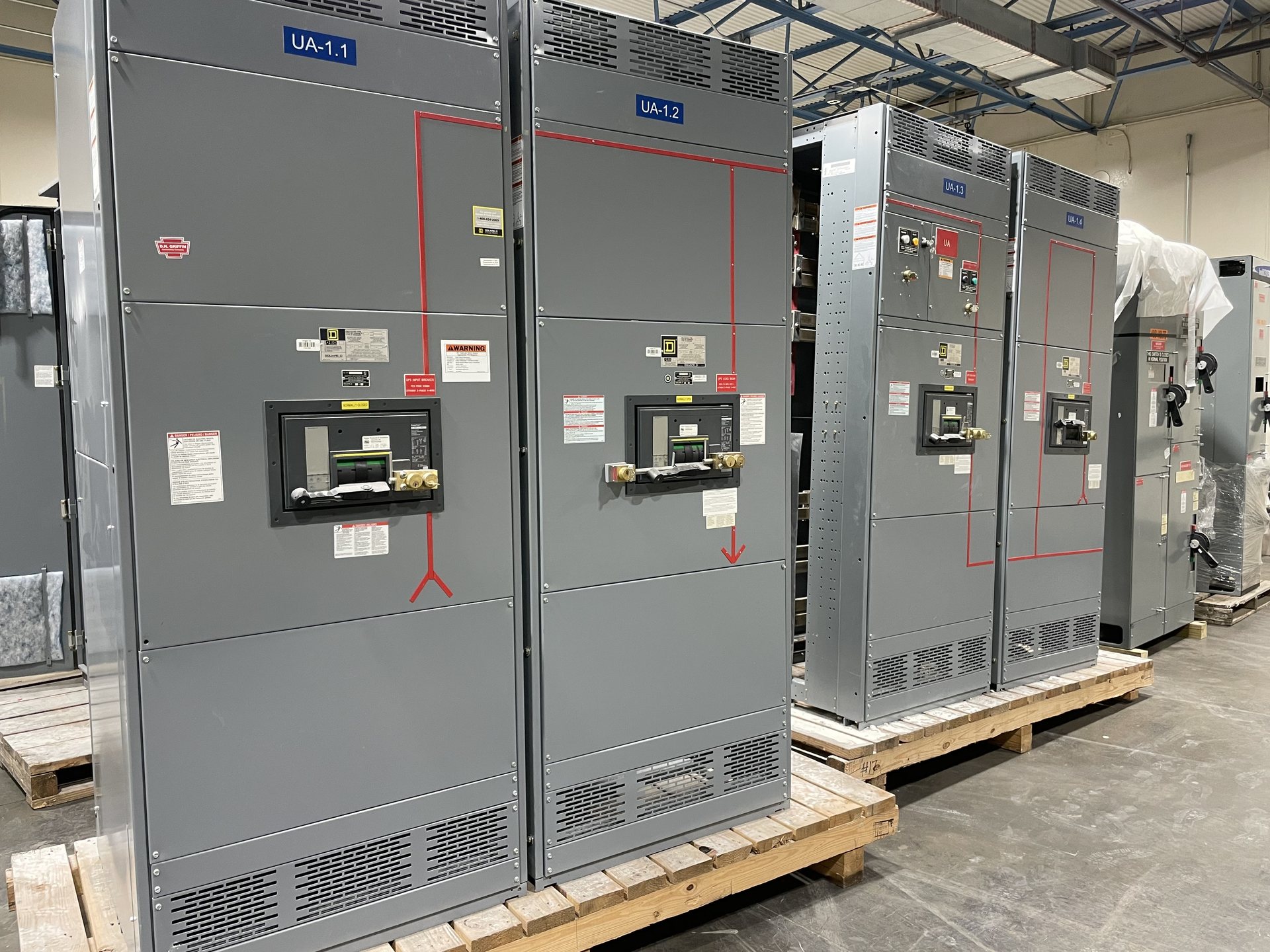
The authorized representative can assemble an initial inventory from existing records, such as asset schedules, purchase documents, or accessible photographs. Those materials may help distinguish a switchgear lineup from associated equipment, but their labels should not be treated as proof that every item is owned or available. If a record names an asset without showing its current status, mark that status unknown and preserve the distinction for review instead of filling the gap with an assumption.
Define what could be included
A possible sale is clearer when the seller separates equipment proposed for purchase from equipment that will remain with the business or transfer under another arrangement. A schedule might identify switchgear, related electrical equipment, and any visible associated components as separate entries, with a note for retained items. This is a planning distinction, not a claim that any particular item will be purchased; the precise assets remain subject to review and an offer.
Leased equipment requires a different flag from owner-retained equipment. A lease record, financing file, or other accessible document may indicate that someone else holds an interest, but a missing or ambiguous document leaves the item’s status uncertain. The seller can keep such equipment outside the proposed sale list until the authorized parties clarify its disposition. Avoid combining it with owned assets merely because it appears in the same room or inventory system.
Keep records useful when facts are incomplete
Record gaps are ordinary planning issues, not reasons to invent a history. If a panel schedule, serial-number record, ownership document, or decommissioning note is unavailable, the seller can identify the missing item and state what is known from existing accessible material. A photograph already on hand may help describe visible identification, while an unreadable label or absent record should remain unknown. No seller testing is necessary to begin a discussion.
Consistency across the inventory matters more than false precision. For example, a seller may know that a listed assembly is surplus while not knowing its full configuration or whether all associated parts are present. Those facts should be stated separately. Do not infer completeness, operating condition, compatibility, or value from a brief description or a photograph; the purchaser’s review determines what can be considered and which precise assets, if any, are included.
Separate site access from sale authority
Authority to discuss a sale does not automatically answer who can arrange access to the equipment area. A representative may be permitted to share records but need confirmation from a property owner, facility manager, tenant, or other responsible party before discussing a visit or access conditions. The seller can identify the appropriate contact and leave unresolved questions open. This is practical coordination, not legal advice about who has rights or what an agreement permits.
If access depends on notice, escort, operating rules, or another party’s approval, note that dependency without promising entry or a schedule. The person coordinating access should not ask an unqualified seller to inspect behind covers, operate equipment, or change its state. Any examination or handling required for evaluation or removal must be left to qualified professionals. Information sharing can proceed from existing accessible documents and photographs while access authority is clarified.
Keep the transaction boundary narrow
Florida Switchgear Buyers considers used, surplus, and decommissioned electrical switchgear and related equipment across all voltage classes, including equipment from decommissioned data centers and closed power plants. That scope describes purchasing interest, not a guarantee that a particular Apalachicola asset will be accepted. The owner can present the proposed inventory for review, but an offer and the exact assets purchased depend on that review.
The possible transaction concerns equipment purchasing and removal for assets purchased, not wholesale facility demolition or general electrical contracting. For purchased equipment, the company handles crane, rigging, disconnects, loading, freight, and hauling. This does not mean every listed item or the entire site will be included, nor does it establish a removal date. Any equipment outside the agreed purchase remains outside that transaction’s stated scope.
Prepare a clear handoff for review
Before making contact, the authorized representative can bring together the proposed asset list, available ownership or lease records, existing photographs, and a short note identifying unknowns and access contacts. This helps keep the discussion focused without asking the seller to test equipment or produce information that is not available. Florida Switchgear Buyers pays upfront for equipment purchased and makes cash offers; neither a particular offer nor acceptance should be assumed before review.
For a purchase discussion, contact Florida Switchgear Buyers at (614) 715-3047 or saleselectricalbuyers@gmail.com. A concise handoff can explain who is authorized to speak, which assets are proposed, what is retained or potentially leased, and which records are missing. If authority or access remains uncertain, say so plainly. That gives the parties a more reliable basis to assess the proposed equipment sale without presenting unknown facts as settled.