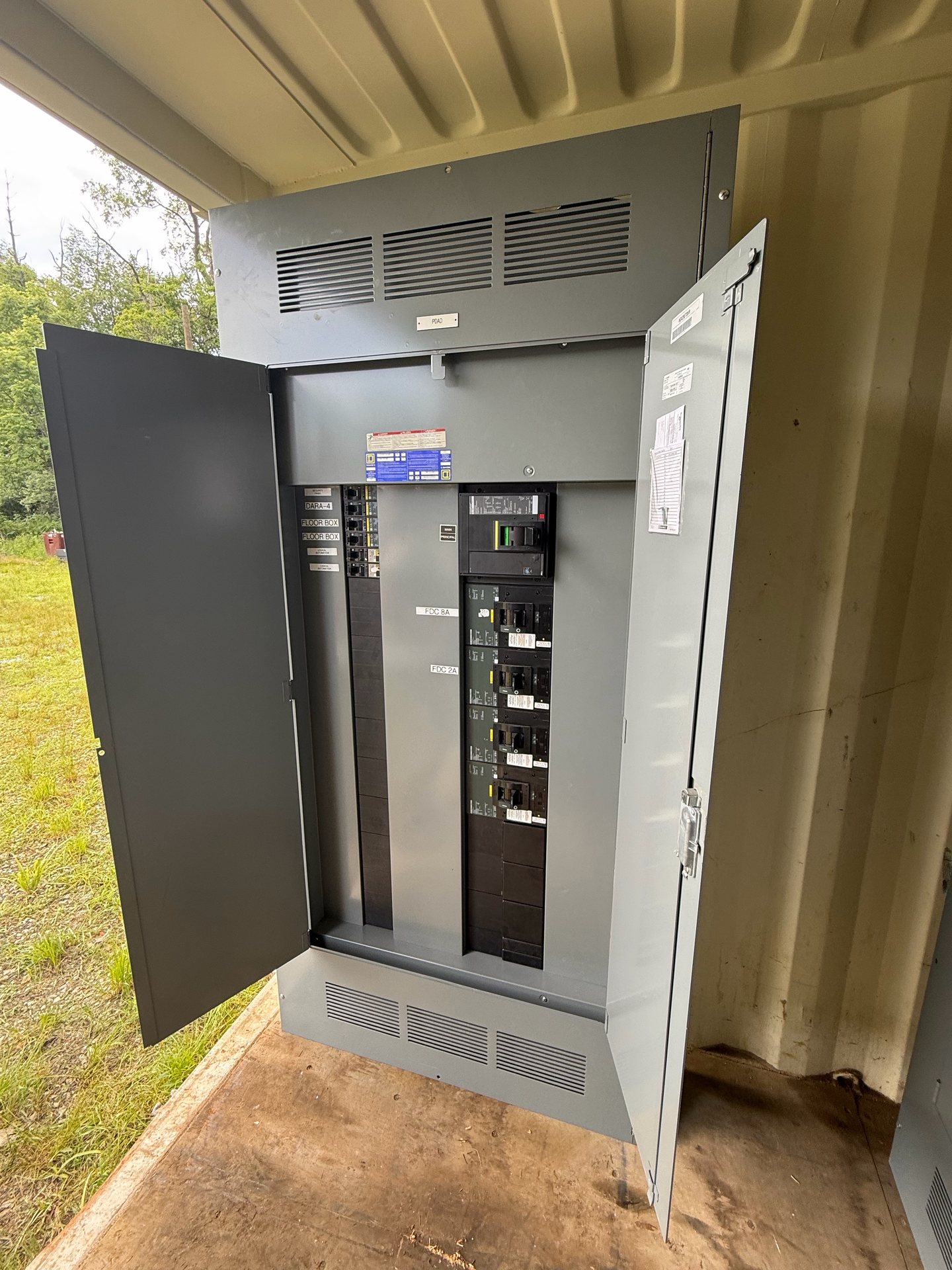
Define the sale around busway runs
An authorized seller can begin by describing the busway intended for sale as distinct groups rather than as a single facility-wide asset. A hypothetical data center may have several runs serving different areas, with some equipment surplus after a change in use and other sections retained. The first decision is therefore the sale boundary: identify what may be considered and what must remain, without disturbing equipment.
A useful scope may include busway sections, plug-in units, and associated fittings that the seller believes are available. Record known quantities or identifiers from existing inventories, labels, or accessible records; mark anything uncertain as unknown. A count from documentation is not a substitute for confirmation of installed conditions, and no seller testing or physical handling is necessary for an initial review.
Separate available assets from retained equipment
In a hypothetical phased decommissioning, a run might pass through an area where equipment is being retained alongside material considered surplus. Make that distinction explicit in the inventory, using room, system, or other non-sensitive reference names where appropriate. If boundaries cannot be established confidently from existing records, flag the overlap for discussion rather than treating the entire run as available.
Plug-in units deserve their own entries when records allow: note documented quantities, identifiers, and whether they are included, retained, or not yet classified. The same applies to bends, elbows, end feeds, hangers, or other fittings if they appear in the seller’s records. Do not assume a fitting is present, compatible, or part of a sale simply because it is commonly associated with busway.
Share records without filling in gaps
Existing equipment schedules, purchase records, asset lists, or photographs may help a buyer understand the proposed lot. A seller can share what is already accessible and permitted for disclosure, while distinguishing a recorded fact from an estimate. If a schedule lists a rating but the seller cannot establish whether it applies to every section, preserve that qualification instead of presenting the rating as universal.
Useful details may include manufacturer and model identifiers, voltage or ampere ratings when documented, approximate run lengths, and known counts of units or fittings. These particulars are not established until supported by the seller’s records, and missing fields should remain unknown. Florida Switchgear Buyers reviews used, surplus, and decommissioned switchgear and related equipment across voltage classes; review determines which specific assets can be considered.
Treat ratings and condition as open questions
Busway descriptions can be incomplete, especially when a site has changed over time. Different sections or plug-in units may have differing documented ratings, configurations, or identifiers, so avoid applying one label to an entire group without evidence. If records conflict, provide the conflicting information and its source; a buyer can evaluate it as part of the asset review rather than asking the seller to resolve it through testing.
Condition should be described only to the extent already known from records or observations made by qualified personnel. Do not infer operational status, completeness, or suitability from appearance in a photograph. Sellers are not required to test equipment, and should not open, energize, isolate, disconnect, move, or otherwise handle it for a sale inquiry. Only qualified professionals should handle electrical equipment.
Coordinate review around site controls
A data-center seller may need to protect access procedures, security details, customer information, and system diagrams. Share only material the seller is authorized to disclose; redact credentials, network details, tenant identifiers, or sensitive floor-plan information where appropriate. A photograph need not reveal an entire room to show an equipment label. If disclosure rules are unclear, consult the responsible internal contact before sending records.
Purchasing and removal are separate from general facility work. Florida Switchgear Buyers handles crane, rigging, disconnects, loading, freight, and hauling for equipment it purchases, subject to review of the proposed assets and site coordination. This does not make the buyer a general electrical contractor or facility demolition provider. Any required site permissions and work controls remain matters for the seller and its authorized site professionals to coordinate.
Prepare for a focused buyer conversation
A productive inquiry can summarize the proposed busway groups, plug-in units, known ratings and fittings, what is retained, and what remains uncertain. Include the seller’s authority to offer the assets and any relevant access or disclosure constraints. Florida Switchgear Buyers makes cash offers and pays upfront for equipment purchased, but neither an offer nor the precise assets accepted is assured before review; no price or schedule should be presumed.
To discuss a potential sale, contact Florida Switchgear Buyers at (614) 715-3047 or saleselectricalbuyers@gmail.com. Existing records or photographs may be shared if authorized, with unknowns clearly labeled. The initial conversation can establish what information is available and which assets merit review; it does not require seller testing or equipment handling. The final scope depends on the buyer’s assessment and the assets the parties agree to include.