Separate bucket identities from lineup records
Start with the equipment markings that are already visible and accessible. Record each bucket as a separate offered unit when its label can be read, preserving the wording and identifiers as shown rather than interpreting them as a model or specification. If multiple buckets appear similar, distinguish them by location or an existing asset tag, so the inventory does not collapse separate items into one assumed group.
A bucket label and a parent motor control center lineup label answer different questions. The bucket marking may help identify the individual unit, while lineup documentation may show where it was installed or how the seller records its context. If that parent lineup is known, provide the documented designation; if the relationship is uncertain or records are absent, say so rather than assigning a lineup from appearance.
Describe quantity, controllers, and completeness carefully
Give a count for the units being offered and, where practical, associate each count with the visible bucket identifier or asset record. Note whether a controller label is present and legible, and transcribe its visible information without inferring function or rating. A missing, obscured, or unreadable label is useful inventory information too; it should be reported as unknown, not filled in from a neighboring bucket.
Completeness needs the same restraint. Existing records may identify components or accessories associated with a bucket, but a seller should not assume that visually similar units contain matching parts or can substitute for one another. Describe what documentation says and what remains uncertain. Do not open equipment, inspect internal components, or handle electrical parts to resolve gaps; only qualified professionals should handle electrical equipment.
Use exterior observations without testing
For condition, rely on safe exterior information already available, such as an existing photograph or an observation made without touching or opening the equipment. A seller might report that a label is faded, a door appears dented, or the exterior is visibly soiled, while avoiding conclusions about internal condition or operation. If the equipment’s state is not known, state that plainly rather than describing it as working, complete, or ready for reuse.
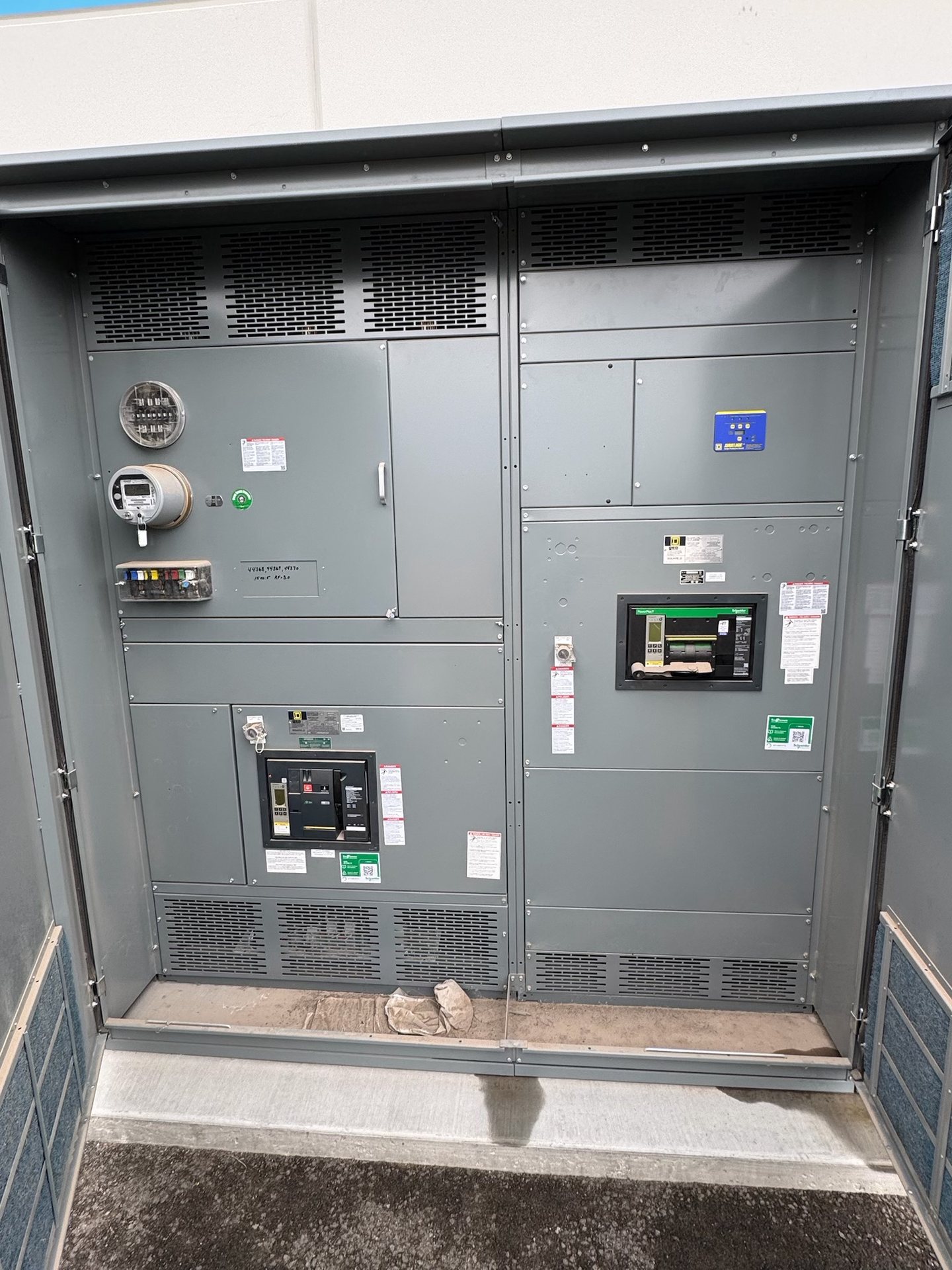
No seller testing is necessary for a review. Do not energize, isolate, disconnect, move, or otherwise handle a bucket to produce information, and do not ask an unqualified person to do so. Existing accessible photos and records can be shared if available. Images should not require approaching unsafe equipment or removing covers; when safe access is not already available, omit the image and identify the information as unavailable.
Make the offered scope explicit
Clarify whether the offer concerns particular buckets, a stated quantity, or a broader group of related equipment. A documented parent lineup can help explain context, but mentioning a lineup does not establish that every component in it is included. Identify excluded items or uncertain boundaries in the inventory so the reviewer can distinguish the proposed sale from equipment the owner intends to retain.
The name Square D should be treated here as the seller-reported marking, not proof of a model, product history, compatibility, value, or manufacturer relationship. Similar-looking buckets are not thereby interchangeable, and a label alone does not confirm that a unit matches another lineup. Florida Switchgear Buyers is not represented as affiliated with, authorized by, or endorsed by a manufacturer.
Understand review, offer, and removal boundaries
Florida Switchgear Buyers buys used, surplus, and decommissioned electrical switchgear and related equipment in all voltage classes, including equipment from decommissioned data centers and closed power plants. It makes cash offers and pays upfront for equipment purchased. Whether an offer is made, its terms, and the precise assets purchased depend on review; identifying a bucket in an inventory is not a commitment to buy it.
For equipment purchased, the company handles crane, rigging, disconnects, loading, freight, and hauling. That scope concerns removal and transport of purchased assets; it should not be read as a promise to buy every item in a facility or to perform wholesale facility demolition or general electrical services. Keep the proposed equipment boundary clear, especially where buckets remain installed in a larger lineup.
Send a review-ready inventory
A useful submission can pair a unit-by-unit count with readable exterior labels, any existing controller markings, the documented parent lineup, and a concise note on visible condition and unknown completeness. Include only records and images already accessible without electrical work. If identifiers conflict or a bucket cannot be confidently matched to paperwork, describe the discrepancy rather than choosing one version; that distinction helps the reviewer assess the offered assets without overstating what is known.
To discuss equipment identified as Square D MCC buckets, contact Florida Switchgear Buyers at (614) 715-3047 or saleselectricalbuyers@gmail.com. Share the available inventory and records for review, and identify any unanswered questions as unknown. The company’s review determines whether an offer is possible and which assets, if any, are purchased; no seller testing or electrical handling is required to begin that discussion.