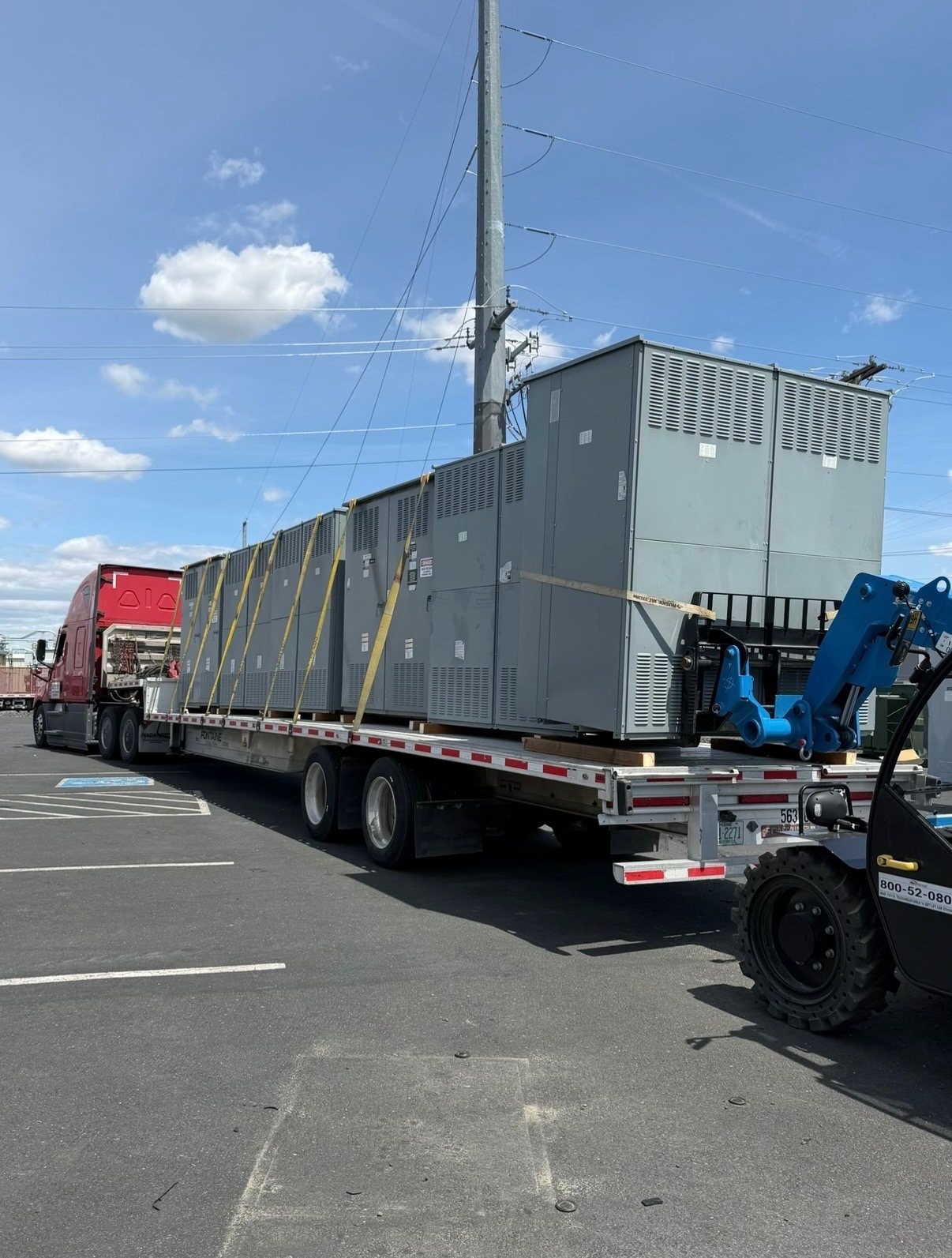
Define the sale boundary before discussing the lineup
Consider a hypothetical Duval County owner reviewing a medium-voltage lineup listed as one asset in a facility register. That entry is a starting point, not proof that every section, breaker, or related component belongs to the seller or is available for sale. First establish which legal entity owns the equipment and who has authority to approve a disposition; an authorized representative may need internal confirmation before requesting an offer.
The proposed sale boundary should be explicit enough to distinguish the lineup from adjacent equipment and building systems. A seller might be considering several lineup sections while retaining a tie-in component or separately listed control equipment. Those are possibilities to reconcile, not assumptions about any particular site. If the boundary remains uncertain, mark the affected items as unresolved rather than presenting the entire electrical room as included.
Separate owned, leased, and retained assets
Compare the asset list with purchase records, lease schedules, project closeout documents, or other accessible records that identify ownership. A lineup can appear in a site inventory even when some equipment is leased, financed, owned by another party, or subject to a return obligation. If the documents do not settle the question, label ownership unknown and seek the appropriate internal or lessor confirmation before representing that item as seller-owned.
Also identify equipment the organization intends to retain, even when it shares a lineup designation or appears in the same records. For example, a breaker could be excluded because it is reserved for another purpose, while a listed spare may be considered for sale only after its ownership and status are confirmed. This distinction helps prevent an offer discussion from silently treating retained, third-party, or disputed assets as available.
Reconcile sections and breakers without altering equipment
Use existing accessible records to map the proposed sale boundary: section designations, lineup identifiers, breaker descriptions, and any recorded quantities can help connect the inventory to the assets being discussed. Keep the source of each detail clear. If a register names a breaker but a drawing uses a different designation, preserve both references and note the mismatch instead of assuming they identify the same item.
A seller does not need to test the lineup or open equipment to fill gaps. Qualified professionals alone should handle electrical equipment, and this sale review does not call for the seller to energize, isolate, disconnect, move, or inspect equipment internally. If an identifier or breaker record is unavailable, say so. Existing photographs or documentation may be shared when already accessible and appropriate to provide.
Make gaps and condition statements precise
Separate documented facts from estimates and unknowns in the information package. A record may establish a section count without establishing whether every listed breaker remains present; a photograph may show an exterior label without proving internal configuration or operating condition. State what the source actually supports, when known, and avoid converting an old schedule or visual impression into a current technical finding.
Condition descriptions should be similarly bounded. If no recent qualified assessment is available, do not imply that the equipment is tested, serviceable, complete, or compatible with a future application. Missing details need not be disguised: identify the record as unavailable, explain any known discrepancy, and let the buyer review the proposed assets. Florida Switchgear Buyers makes offers contingent on review, so the exact equipment considered for purchase is not established until that review.
Coordinate information and site responsibilities
Name a site coordinator who can answer administrative questions, route record requests, and communicate the seller’s access and scheduling constraints. That person should not be treated as permission for unqualified electrical work. If another party controls site access or equipment records, identify that dependency early; the coordinator can clarify who must authorize access and which existing materials may be shared without asking anyone to manipulate the lineup.
Before a potential purchase proceeds, describe practical site conditions at a general level, such as known access restrictions, required check-in arrangements, or a need to coordinate with the facility’s authorized personnel. Do not promise that equipment can be removed until the relevant parties and conditions have been reviewed. For assets purchased, Florida Switchgear Buyers handles crane, rigging, disconnects, loading, freight, and hauling; that scope concerns purchased equipment, not wholesale facility demolition or general electrical contracting.
Submit a bounded package for purchase review
A useful initial package pairs the proposed asset list with the ownership notes, section and breaker references, exclusions, unresolved discrepancies, and the site coordinator’s contact role. Existing accessible photographs and records can add context, but sellers are not required to test equipment. The more clearly the package distinguishes confirmed information from unknowns, the less likely an inventory label will be mistaken for a verified sale boundary or condition statement.
Florida Switchgear Buyers considers used, surplus, and decommissioned electrical switchgear and related equipment across voltage classes, including equipment from decommissioned data centers and closed power plants. It makes cash offers and pays upfront for equipment purchased; an offer and the precise assets purchased depend on review. For purchase inquiries, contact (614) 715-3047 or saleselectricalbuyers@gmail.com. Keep any proposed sale limited to assets the seller is authorized to offer.