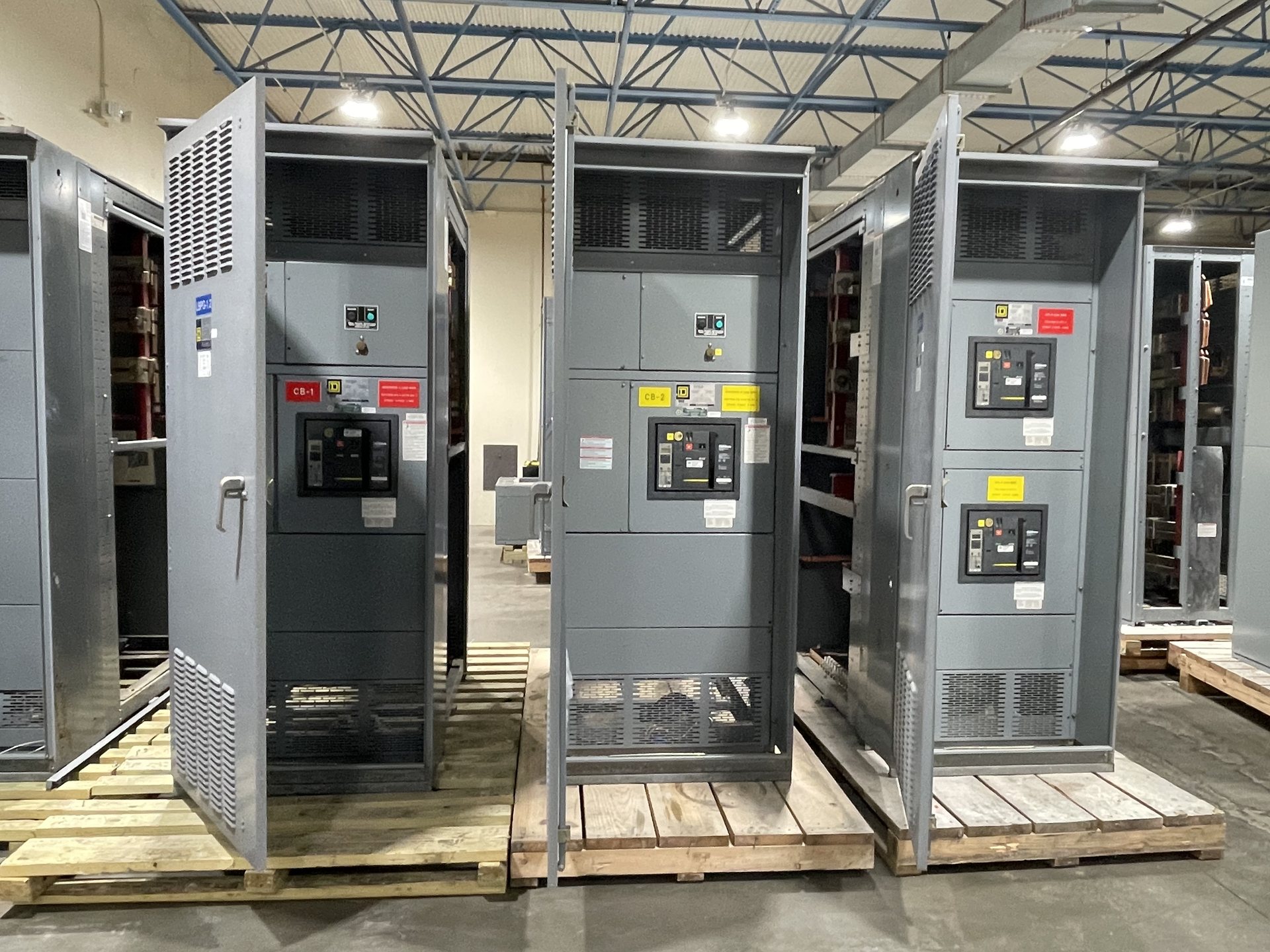
Treat the drawing as a reference, not a final inventory
A single-line drawing can help organize a proposed switchgear sale, but it should not be treated as proof that every labeled item is present or included. A hypothetical DeLand seller might begin with the latest drawing already available, then compare its equipment labels with identifiers visible from safe exterior access. This is a records review, not a request to inspect inside equipment or verify its electrical condition.
For each apparent match, record the drawing label and the corresponding exterior identifier as separate pieces of information. If the names align, mark the relationship as observed rather than assuming the drawing establishes current configuration. If a label is obscured, absent, or different, preserve that uncertainty. Clear distinctions help a buyer review what is offered without turning a tentative match into a factual claim.
Track revisions and visible mismatches
Drawings may have revision dates, handwritten notes, or references to later sheets. Note the revision information shown on each document and whether the date is known; do not assume the newest-looking page reflects every change. If two available sheets disagree about a lineup or designation, list both references and describe the discrepancy plainly instead of selecting one as correct without supporting records.
A mismatch between a drawing label and an exterior identifier does not by itself establish that equipment is missing, replaced, or unsuitable. It may simply remain unresolved from the seller’s records. For example, if the drawing names a section differently from its visible label, report both descriptions and indicate that their relationship is unknown. A buyer can then assess the uncertainty during offer review.
Separate confirmed assets from assumptions
Build the proposed inventory around what the seller can identify from existing records and safe exterior views. Keep known equipment in one group and possible, inferred, or unverified items in another. A drawing may show a feeder or section that the seller cannot confidently match to a visible asset; list the reference as an unresolved candidate, not as equipment confirmed for sale.
Also distinguish ownership or control from physical presence. An item appearing on a drawing is not necessarily owned by the seller, still installed, or part of the proposed transaction. Where those facts are not established, say so. This prevents an asset schedule from implying that every symbol, connected component, or referenced section is included in the offer request.
List gaps instead of filling them in
A useful inventory records missing information directly. Note absent drawing sheets, unreadable labels, unknown revision status, and equipment that appears in one record but not another. If no accessible record identifies a particular section, mark its drawing reference as unavailable rather than supplying a guessed designation. These gaps help define the scope of review and keep the seller’s account accurate without requiring additional equipment handling.
Photographs already available may provide context when they show exterior identifiers or the overall arrangement. Share only images the seller can access safely; do not create new views by opening equipment or approaching a hazard. If a photograph cannot resolve a mismatch, retain the issue as unknown. No seller testing is necessary, and only qualified professionals should handle electrical equipment.
Describe the proposed sale boundary
State which identified assets are being offered and which are excluded, if that distinction is known. A drawing may depict connected systems beyond the seller’s intended sale, so avoid treating the full drawing as the transaction boundary. If the seller cannot yet tell whether a labeled section belongs in the proposed group, identify it as undecided. The precise assets purchased remain subject to review and should not be presumed from a drawing alone.
Florida Switchgear Buyers buys used, surplus, and decommissioned electrical switchgear and related equipment in all voltage classes, including equipment from decommissioned data centers and closed power plants. For purchased equipment, it handles crane, rigging, disconnects, loading, freight, and hauling. This concerns purchasing and removal of assets it buys, not wholesale facility demolition or general electrical contracting.
Prepare records for an informed review
A concise package can include the asset schedule, available drawing pages, revision notes, exterior identifiers, and a short list of unresolved questions. Label each item as confirmed, tentative, excluded, or unknown, and keep the original drawing wording where practical. This makes the proposed scope easier to understand while avoiding unsupported claims about condition, compatibility, or completeness. There is no need to test equipment to prepare the information.
The company makes cash offers and pays upfront for equipment purchased; acceptance, offer terms, and the exact assets included depend on review. A DeLand seller can send existing documentation or photos and discuss the proposed inventory at (614) 715-3047 or saleselectricalbuyers@gmail.com. Share only information already available through safe access, and leave physical handling to qualified professionals.