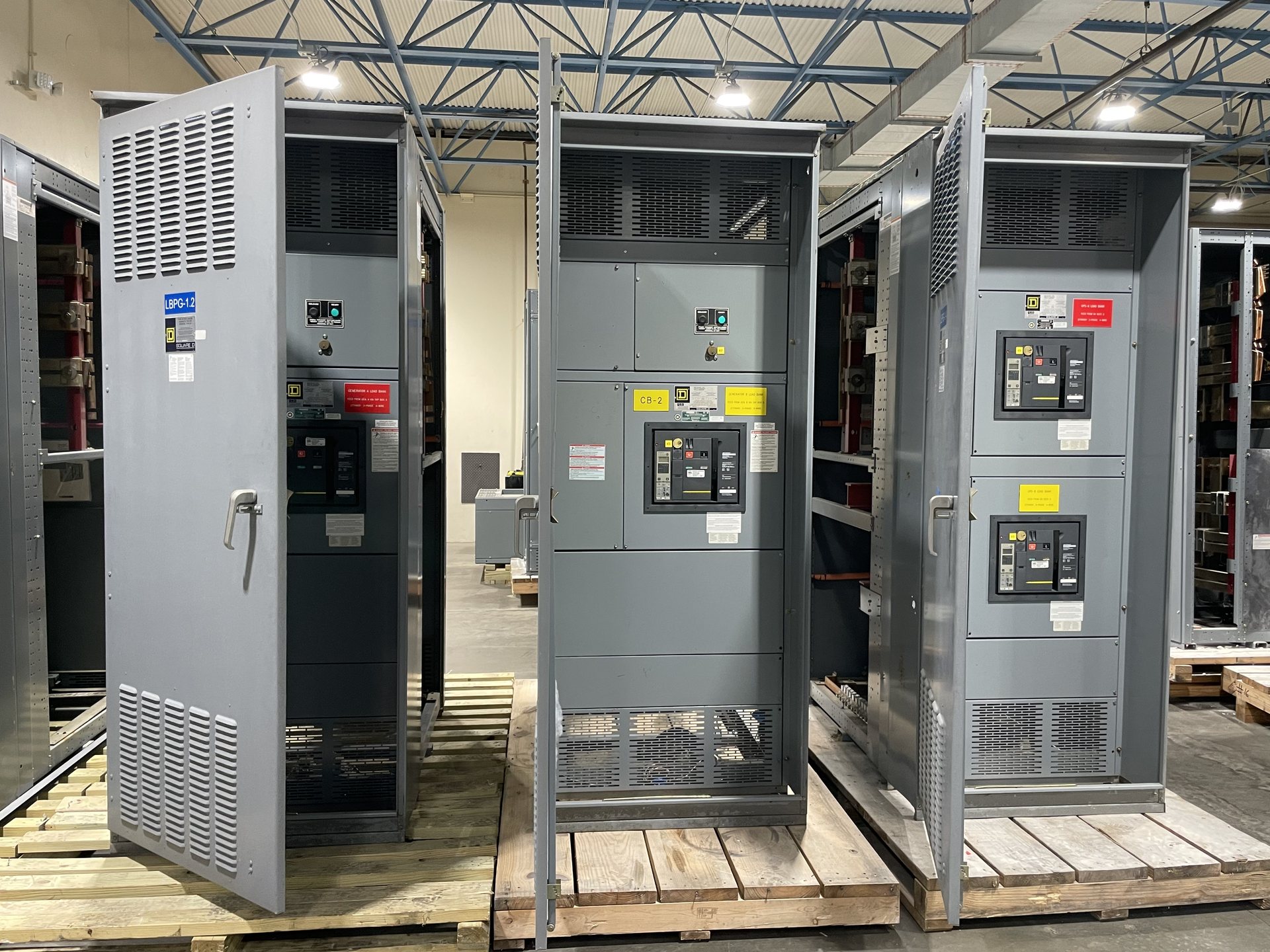
Scope the Potential Sale by Asset
A hypothetical DeBary owner preparing a sale can begin with an inventory of the equipment that may be available, rather than a claim about its condition or value. Record each visible lineup, cabinet, breaker, or related component as a separate item where practical, and note quantities only when they can be identified from existing records or safely accessible views. The scope should distinguish equipment offered from items that are not included.
If a site record names a switchgear lineup but does not establish whether associated breakers, control equipment, or other components remain with it, say so directly. “Included status unknown” is more useful than assuming a complete assembly. Florida Switchgear Buyers purchases used, surplus, and decommissioned switchgear and related equipment across voltage classes, but the particular assets considered for purchase depend on review. Listing an item is not confirmation that it will be accepted.
Share Readable Identification and Records
Where information is already visible or documented, provide the manufacturer name, model or catalog identifier, serial number, voltage marking, and other legible nameplate details. Do not fill gaps from memory or infer a rating from neighboring equipment. If a field cannot be read, mark it unreadable or unknown; if no image or record is available, say that none is available. Exact quantities should likewise be qualified when the count is uncertain.
Existing photographs and records can help a buyer understand what is being offered, without requiring the seller to produce new technical evidence. A hypothetical seller might send a readable nameplate image already on file, an inventory sheet, and an older equipment schedule, while identifying which document may be outdated. Share only material already accessible without handling equipment. Seller testing is not necessary, and no one should open, energize, isolate, disconnect, or move switchgear to answer an inquiry.
Separate Exterior Observations from Unknown Internals
Describe exterior condition in terms of what the seller has personally observed from an ordinary, safe vantage point: for example, whether a cabinet appears present, whether a door looks dented, or whether visible labels are missing. Keep such observations modest and dated if the timing is known. A visible exterior does not establish the condition of internal components, insulation, contacts, controls, or operating mechanisms, so avoid presenting appearance as proof of functionality.
When operating history and test results are unavailable, state that limitation plainly instead of implying that the equipment works or has failed. The seller may know that records were not retained, while remaining unable to say when the equipment last operated or whether it was ever tested. Treat those as separate unknowns. This distinction helps a buyer review the opportunity without mistaking an exterior description for an inspection, test report, or condition guarantee.
Make Uncertainty Useful to the Review
A concise uncertainty register can identify what is known, what is only observed, and what has not been established. For instance, an inventory may confirm two tagged cabinets while leaving the number or identity of internal components unknown. That is more informative than assigning an unsupported completeness claim. If documents conflict, preserve the discrepancy and identify the source of each record rather than choosing the more favorable version without evidence.
Florida Switchgear Buyers can review the information supplied and determine whether to make an offer and which assets, if any, are included. Review is not a promise of acceptance, a technical finding, or a commitment to buy every listed item. The seller does not need to test the equipment for a conversation to begin. If key details remain unknown, disclose them so the offer discussion can account for the actual limits of the available information.
Coordinate Only Around Equipment Under Review
For equipment considered for purchase, clarify its general location on the property, whether it is grouped with other assets, and any known access constraints using information already available. Do not move equipment or arrange a new view that requires unsafe access. The buyer can discuss handling needs after reviewing the proposed assets; any coordination should remain limited to equipment purchased, not be mistaken for a commitment to remove every item at the site.
For purchased equipment, Florida Switchgear Buyers handles crane, rigging, disconnects, loading, freight, and hauling. The seller should not attempt these tasks or treat a potential purchase discussion as authorization to alter the installation. Only qualified professionals should handle electrical equipment. The purchasing and removal arrangement concerns assets that are purchased; it is not a promise of wholesale facility demolition or general electrical contracting.
Prepare a Clear Buyer Conversation
A useful inquiry can summarize the asset list, readable identification, available photographs or records, and unresolved questions in one place. A hypothetical seller might explain that a nameplate is legible but operating history and test results are unavailable, then separate that fact from any observed exterior marks. This gives the buyer a grounded starting point while leaving condition, completeness, and purchase scope open for review.
To discuss a possible sale, contact Florida Switchgear Buyers at (614) 715-3047 or saleselectricalbuyers@gmail.com. The company makes cash offers and pays upfront for equipment it purchases; an offer and the exact assets purchased remain contingent on review. Share unknowns as unknowns, and do not assume a price, acceptance, or schedule before the equipment and available information have been considered.