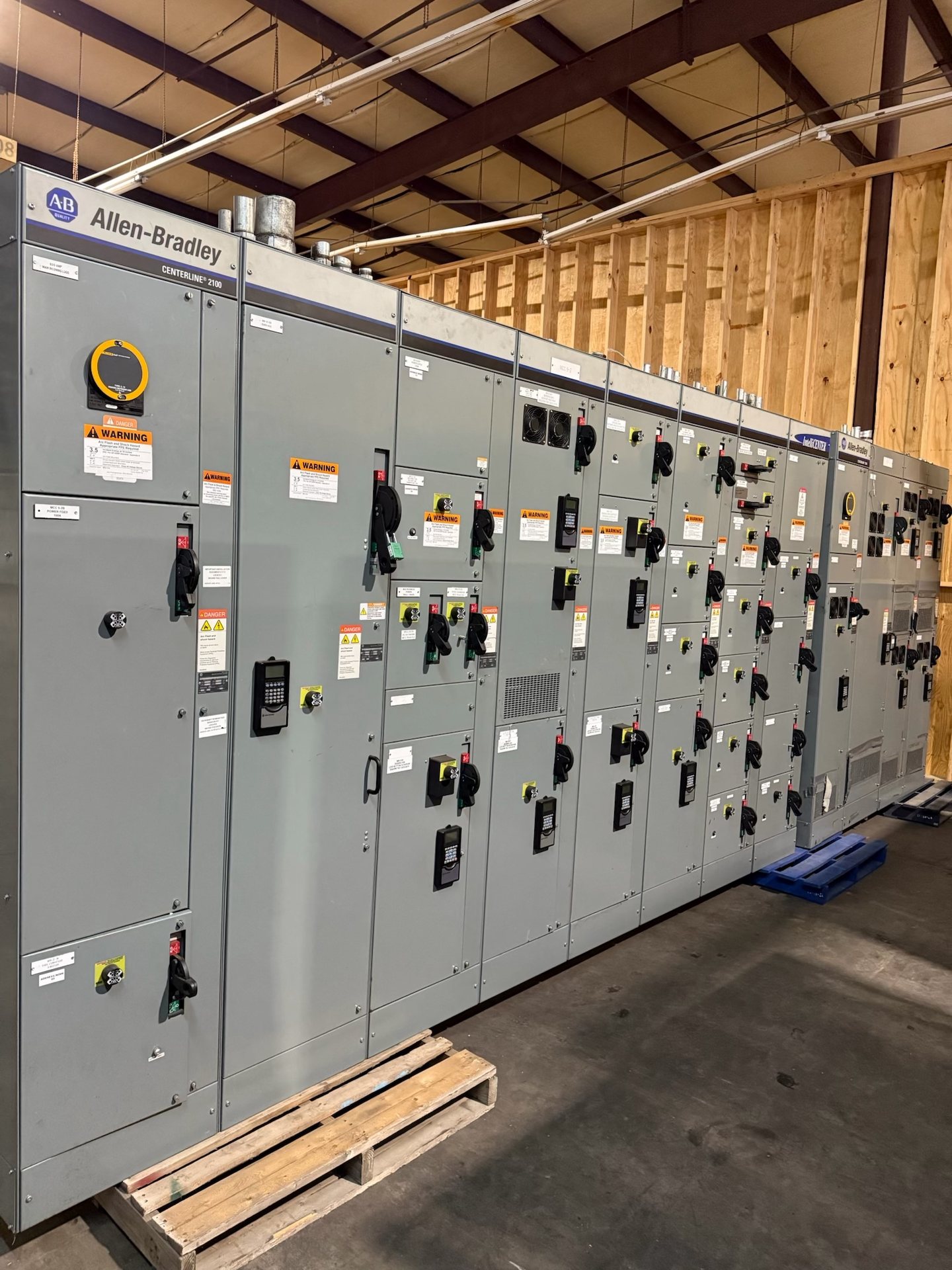
Start with what the Siemens marking actually identifies
A Siemens name on visible equipment is useful identification, but it does not by itself establish a model, product history, configuration, or current condition. Describe the marking as it appears and where it is located, such as on a lineup label, a section label, or an individual breaker. If the marking is unclear or only partly visible in an existing photo, say so rather than completing the name from assumption.
This distinction matters when a facility has equipment assembled over time or records that refer to only part of it. A seller may recognize a lineup as Siemens low-voltage switchgear while lacking documentation that connects every section or breaker to that description. Florida Switchgear Buyers reviews used, surplus, and decommissioned equipment, including all voltage classes; any offer and the assets considered for purchase depend on review, not the brand name alone.
Clarify whether the equipment is a lineup or separate sections
Explain whether the equipment is being described as one assembled lineup, as several separate sections, or as a group whose arrangement is unknown. Existing layout records or exterior photographs may help show which sections are together, but avoid treating a row of cabinets as a single complete lineup unless the available information supports that description. If sections are stored apart, identify that fact instead of implying they remain assembled.
The distinction changes what a buyer can understand about the offered assets. For example, a facility may have a documented lineup with sections identified in sequence, while another seller may have several sections with no confirmed relationship. In the latter case, report the visible section labels and the missing sequence information. Do not move equipment or enter restricted areas to improve the record; qualified professionals alone should handle electrical equipment.
Report main and feeder labels separately
If existing records or safely accessible exterior information identify a main label, transcribe its wording separately from feeder labels. Note whether a label is legible, partly obscured, absent, or not recorded. A main designation on a drawing is not the same as a verified physical marking, so identify the source: for instance, “shown on an existing schedule” differs from “visible on the exterior label.”
Feeder descriptions also need their own context. If labels identify outgoing circuits or destinations, share only what existing documentation or safe exterior observation establishes; do not infer a feeder’s present use from an old directory. Where labels conflict, preserve both versions and explain the source of each. If feeder information is unavailable, call it unknown. That is more useful than supplying a guessed count, arrangement, or circuit function.
Identify individual breakers without filling gaps
Breaker information is most useful when tied to a particular visible identifier or existing record. Share any recorded breaker name, position, designation, or rating exactly as documented, and distinguish a readable exterior marking from an entry in an older schedule. If a breaker cannot be matched confidently to a section or lineup, leave that relationship unresolved rather than assigning it based on proximity or an assumed layout.
Ratings should be reported only when they appear in existing documentation or safe exterior information; do not remove covers, operate controls, or test equipment to find them. A record may identify some breakers but not others, or may describe a lineup without listing individual devices. State the scope of what is known and what remains unknown. No seller testing is necessary for Florida Switchgear Buyers to review information about equipment offered for consideration.
Describe condition observations and documentation limits
Use specific, limited observations instead of a broad condition claim. Existing exterior photos might show a cabinet’s visible finish or an unreadable label, but they cannot establish internal condition or operating status. If the seller has a documented observation, identify when and by whom it was recorded when that information is available. Otherwise, say that condition details are limited to the records and exterior views provided.
List documentation gaps plainly: a missing drawing, an incomplete breaker schedule, unclear section sequence, or an unavailable model reference may all affect how the equipment can be described. A gap is not proof that a record never existed, and a label is not proof of compatibility or suitability for another installation. Share existing records and photos if available; do not energize, isolate, disconnect, open, or otherwise handle equipment to create new information.
Submit a reviewable description and understand the scope
A useful submission brings together the seller-reported Siemens identification, lineup or section status, recorded main and feeder labels, breaker details, condition observations, and explicit unknowns. Florida Switchgear Buyers makes cash offers for used, surplus, and decommissioned electrical switchgear and related equipment. The review determines whether an offer is made and precisely which assets, if any, are included; no brand marking alone guarantees purchase or acceptance.
For purchased equipment, payment is upfront, and the buyer handles crane, rigging, disconnects, loading, freight, and hauling for those assets. This is equipment purchasing and removal for items purchased, not a promise to demolish a facility or provide general electrical services. To discuss a submission, contact (614) 715-3047 or saleselectricalbuyers@gmail.com. Keep electrical work with qualified professionals and rely on existing information rather than seller testing or handling.