Start with the marking, not an assumed model
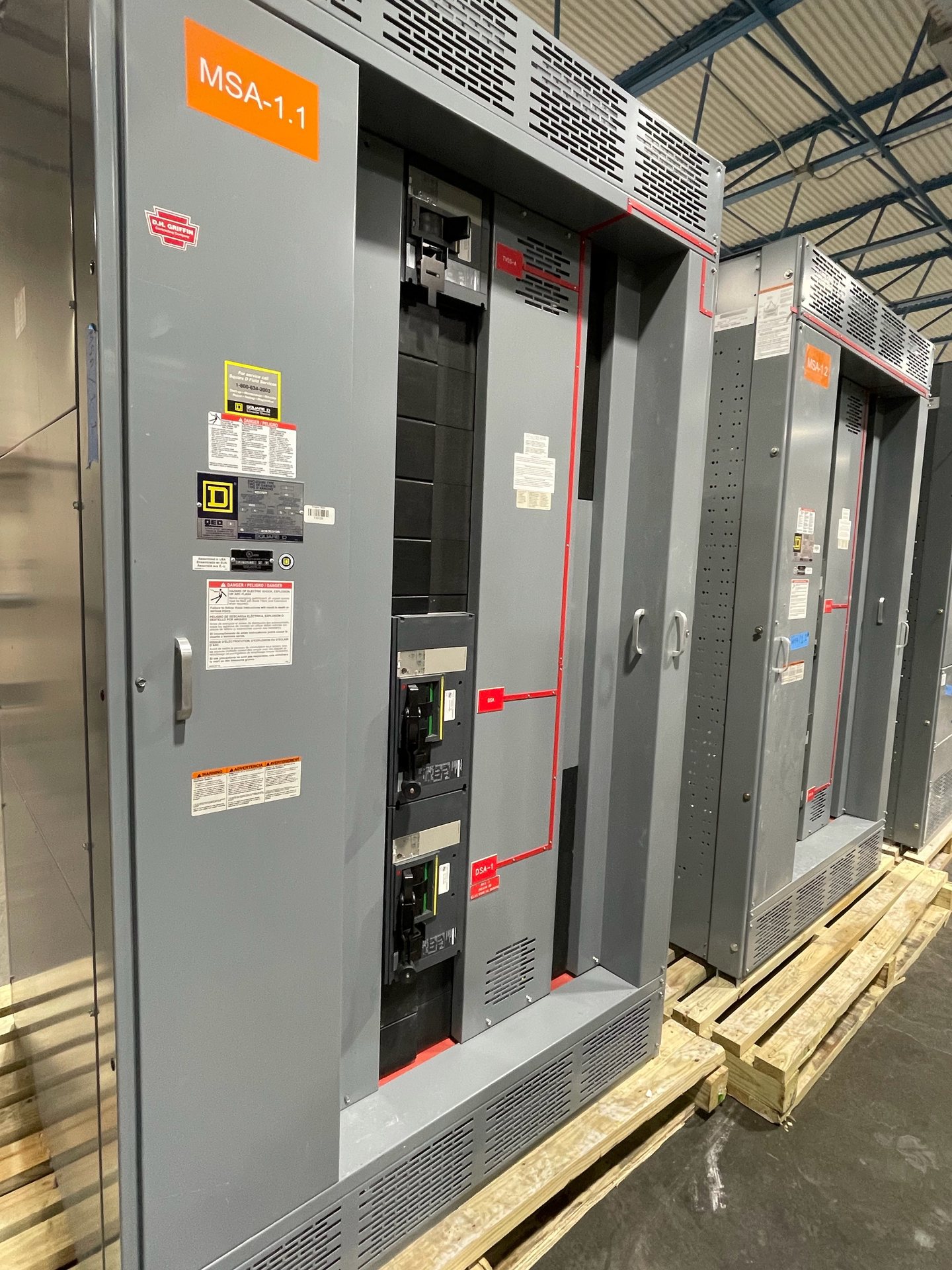
If equipment is described as Eaton medium-voltage switchgear, begin with what can be read in existing photographs or records: the nameplate marking, the lineup identification, and any separately visible breaker labels. Keep the wording faithful to the source. A seller-reported Eaton marking identifies the equipment as presented; by itself, it does not establish a particular model, manufacturing date, product history, or manufacturer relationship.
Lineup and breaker labels answer different questions. A lineup nameplate may describe the assembly, while breaker nameplates may identify individual devices or positions. If only one label is legible, say which one and which labels remain unreadable or unavailable. This distinction prevents a lineup description from being incorrectly applied to every breaker, and leaves uncertain identifiers open for review rather than turning them into asserted facts.
Separate documented voltage from assumptions
State a voltage class only when it appears in accessible documentation or can be read from an existing exterior image. Identify the source, such as a record supplied with the equipment or a visible nameplate, and distinguish that from a verbal description or recollection. If the source is unclear, report the voltage class as unknown. Do not infer it from the word “medium-voltage,” the facility, or another component’s marking.
That level of precision changes how the equipment can be described, not whether it will be purchased or what it is worth. For example, documentation that identifies a class can be shared as documentation; a mismatch between records and visible markings should be noted for review. Sellers do not need to verify a discrepancy by testing, opening, energizing, or otherwise handling the equipment.
Describe lineup positions without filling gaps
An exterior overview may show a lineup’s arrangement, while existing labels or drawings may identify main and feeder positions. Report those sources separately: a position that is explicitly marked “main” is different from one inferred from its place in a row. If drawings are available, their date or applicability may be uncertain, so describe them as existing records rather than proof that the current arrangement matches them.
When position labels are missing, obscured, or inconsistent, leave the role unknown instead of assigning breakers by appearance. The distinction can affect the asset description and which questions remain for review, but it does not establish internal configuration or operating condition. Share only photographs already taken safely from an accessible exterior viewpoint; do not approach, remove covers, or ask anyone to handle electrical equipment to improve the record.
Treat relay records as records, not test results
Existing relay schedules, settings documents, or other relay-related records can help distinguish what is documented from what is not. If provided, identify the document type and any visible date or equipment reference, without representing it as current, complete, or verified. A record may relate to a lineup or device without proving that the referenced relay remains installed or that its settings describe present conditions.
If relay information is absent, say it is unavailable; do not create a substitute from memory or request a seller test. If documents conflict, preserve that ambiguity in the description and provide the records for review where appropriate. These limits matter because paperwork can clarify an equipment listing while leaving component identity, present configuration, and service condition unresolved. No seller testing is necessary for an initial review.
Mark component and service history as known or unknown
A lineup may be presented with breakers or other related equipment, but the exact included assets must be described rather than assumed. Note only components that are visible in existing safe exterior images or identified in accessible records. If a label cannot be read, a component is not visible, or inclusion is uncertain, mark that point unknown or unconfirmed; do not claim completeness, compatibility, or that every position is equipped.
Service history deserves the same discipline. If records document prior service, identify them as records and avoid extending them beyond their stated scope. If no history is available, state that it is unknown rather than describing equipment as maintained, operational, or unused. Florida Switchgear Buyers reviews used, surplus, and decommissioned switchgear and related equipment across voltage classes, including equipment from decommissioned data centers and closed power plants; each offer and precise assets purchased depend on review.
Prepare a safe review and understand the purchase scope
Useful material is limited to information already available: exterior photographs taken safely, nameplate images, drawings, equipment schedules, and existing relay or service records. A concise note can separate seller-reported Eaton identification from legible nameplate facts, documented voltage, identified main or feeder positions, and unknowns. Do not test, energize, open, isolate, disconnect, move, or otherwise handle the equipment. Qualified professionals alone should handle electrical equipment.
Florida Switchgear Buyers makes cash offers and pays upfront for equipment it purchases. For purchased assets, it handles crane, rigging, disconnects, loading, freight, and hauling; that scope is not a promise to buy every item or to perform wholesale facility demolition or general electrical services. For review, contact (614) 715-3047 or saleselectricalbuyers@gmail.com. Share the available description and records; acceptance and the exact assets purchased remain contingent on review.