Start with authority to offer the equipment
At a hypothetical Florida industrial site, the operator may occupy the property while a landlord, lender, or equipment lessor retains rights in particular assets. The person coordinating a shutdown is not automatically authorized to sell everything on site. Before describing equipment as available, identify the proposed seller and the basis for that party’s authority, using existing agreements or other records where accessible.
If authority is uncertain, describe the asset as present at the site but not yet confirmed for sale. That is more useful than treating possession as ownership or asking a buyer to infer title from a nameplate. Florida Switchgear Buyers reviews proposed equipment for a possible purchase; an offer and the precise assets purchased depend on review. The seller remains responsible for resolving who may authorize a sale.
Separate owned equipment from leased assets
An electrical lineup installed for the operator’s use could be owned, leased, or provided under a broader equipment arrangement. Those distinctions affect what can be offered, even if the gear appears integrated with the facility. Existing purchase records, lease schedules, invoices, or asset registers may help identify the arrangement. If records conflict or omit a lineup, preserve that uncertainty in the asset description rather than choosing the most favorable interpretation.
For example, a record may list a switchboard as company-owned while a lease schedule identifies associated components as leased. In that case, describe the listed items separately and flag the unresolved components. A buyer can review a defined group of candidate assets more clearly than a blanket claim that all electrical equipment belongs to the seller. No conclusion about legal title follows simply from the equipment’s location or use.
Check for landlord or owner-retained items
A lease or handover record may distinguish tenant-owned equipment from property retained by the landlord, or may be silent about particular electrical assets. If a site owner supplied a transformer or switchgear for shared building service, its presence in an operator’s maintenance records does not by itself establish sale authority. Record who supplied it, what existing documents say, and what remains unknown, without presenting an assumption as a finding.
Where the agreement uses broad language about fixtures or improvements, avoid converting that wording into a definite equipment-by-equipment answer. A lineup attached to a facility may still need separate review, while a movable asset is not automatically tenant-owned. The relevant practical decision is whether the proposed seller can include that asset in a purchase discussion. Questions of interpretation belong with the parties and their qualified advisers, not a buyer’s inspection.
Use records to describe the asset boundary
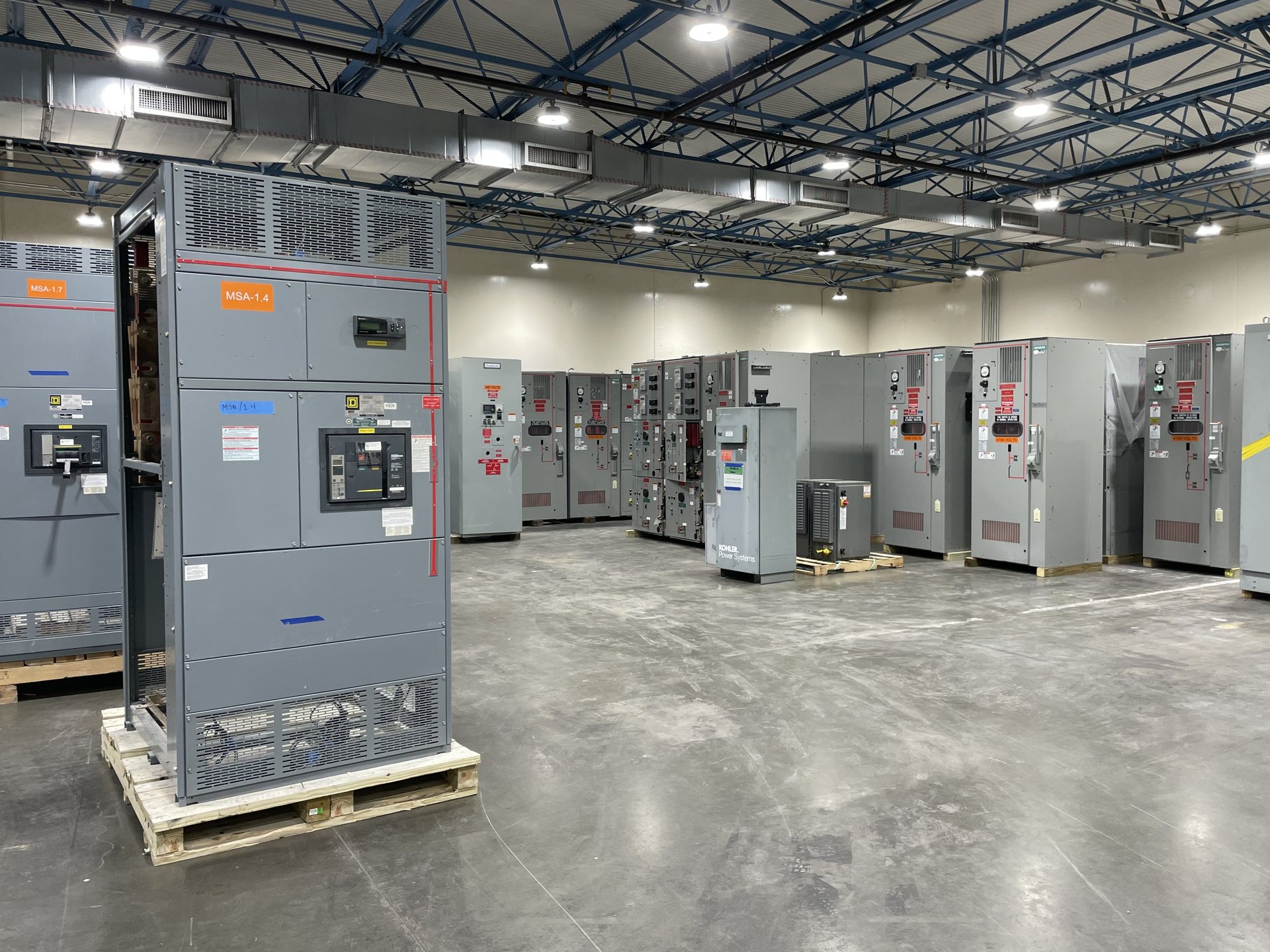
A useful initial description can connect an asset tag, equipment label, room or area reference, and any existing schedule entry. Photographs already accessible to the seller may help distinguish adjacent lineups or identify which section a record concerns. Do not create new photographs by approaching, opening, or manipulating electrical equipment. If a record names a group but does not specify its boundaries, state that limitation plainly.
A site inventory may also combine equipment with associated items or list only a general category. Separate confirmed equipment from accessories whose ownership or inclusion is unclear. For instance, a documented lineup can be presented as a candidate asset while separately noting that an associated component’s ownership is unknown. This precision helps review without claiming compatibility, condition, completeness, or value based on records that may not answer those questions.
Keep condition and access questions distinct
Ownership documentation and equipment condition are different matters. An asset register may identify a unit without confirming whether it is complete, operational, or suitable for another application. Describe known record details and label condition information as unknown when it has not been established. Florida Switchgear Buyers does not require the seller to test equipment; missing test results need not be filled by seller testing to begin a review.
Only qualified professionals should handle electrical equipment. A seller should not open, energize, isolate, disconnect, move, or otherwise handle equipment to improve a sale description. Existing accessible records and photographs may be shared instead. If purchased assets require removal, Florida Switchgear Buyers handles crane, rigging, disconnects, loading, freight, and hauling for those purchased assets; that is not a commitment to remove every item at the facility.
Define the proposed transaction narrowly
A leased-site equipment discussion is not the same as contracting for wholesale facility demolition or general electrical services. Identify only the electrical equipment the authorized seller proposes to sell, and keep unrelated building contents or work outside that scope unless separately clarified. The company buys used, surplus, and decommissioned electrical switchgear and related equipment in all voltage classes, including equipment from decommissioned data centers and closed power plants; acceptance remains subject to review.
For an initial conversation, share the seller’s identity, the records available, the assets believed to be owned, and any items whose status is unresolved. Do not imply that a price, acceptance, or schedule is established before review. Florida Switchgear Buyers makes cash offers and pays upfront for equipment purchased. For purchase inquiries, contact (614) 715-3047 or saleselectricalbuyers@gmail.com; clarify the asset boundary before treating any site equipment as part of a sale.