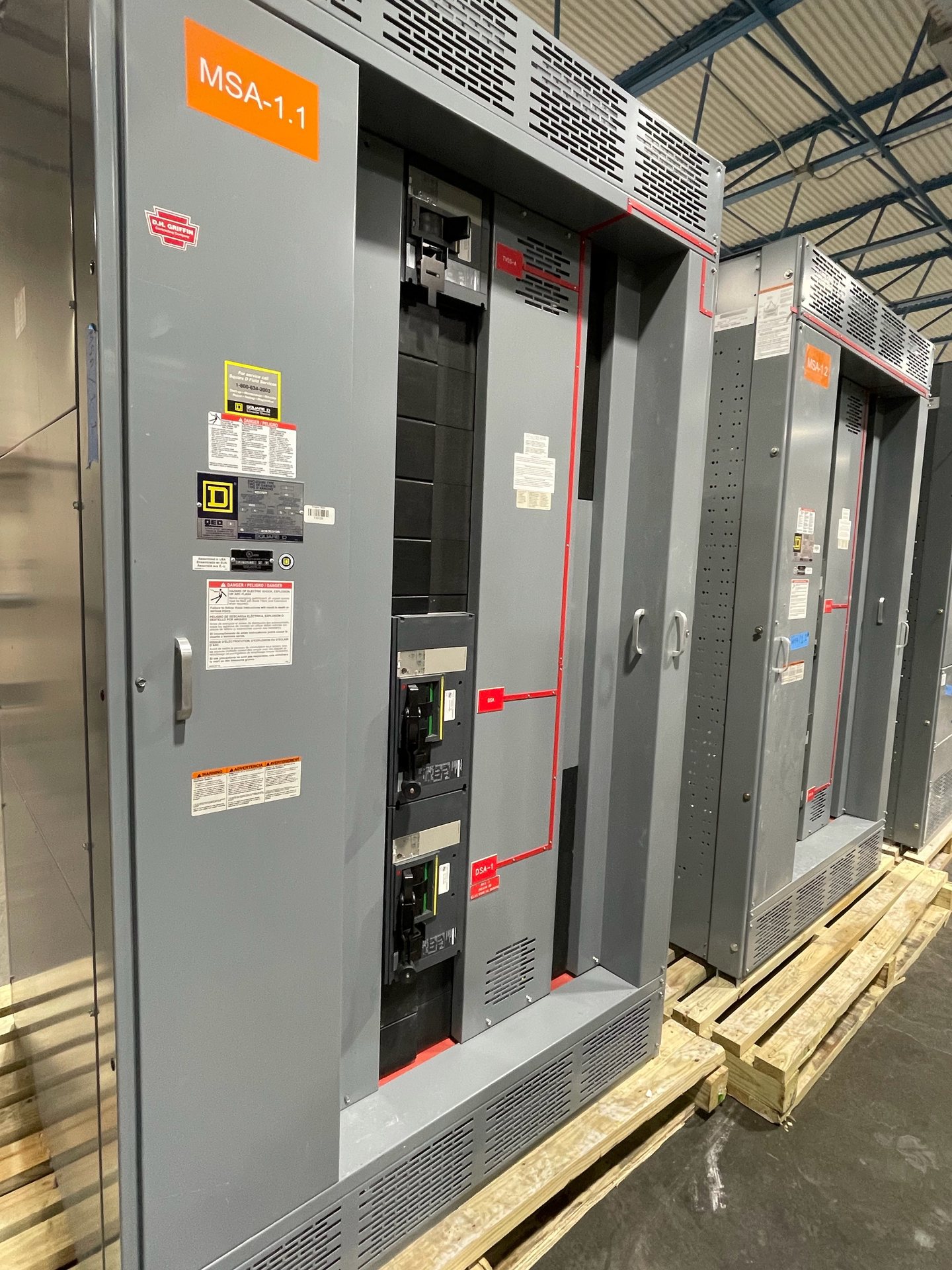
A hypothetical decision: what is being offered?
Imagine a hypothetical Florida power plant preparing to sell outdoor electrical equipment after a facility has been decommissioned. The owner may see several cabinets, supports, and connected-looking components in one area, but that does not establish that every item is switchgear or belongs in the same sale. The first useful decision is to identify the equipment being considered, using existing records and observations rather than assumptions about the installation.
A possible purchase is different from selling a whole plant or arranging general site demolition. Florida Switchgear Buyers considers used, surplus, and decommissioned switchgear and related equipment across all voltage classes, including equipment from closed power plants. The precise assets purchased depend on review. A seller can describe the proposed equipment separately from buildings, foundations, unrelated electrical assets, and other site materials.
Record visible enclosure observations safely
Exterior observations can help describe what is being offered, provided they come from a safe vantage point and do not require touching or opening equipment. Existing photographs may show the enclosure’s visible condition, apparent completeness, exterior labels, and surrounding context. A seller should not approach equipment or change position to obtain a better image if doing so could expose them to electrical or physical hazards.
Describe only what is visibly apparent. For example, a photograph might show a weathered finish, a visibly damaged exterior panel, or standing water nearby; it cannot establish the state of internal components. If a feature is obscured, inaccessible, or uncertain, say so. Do not open doors, remove covers, energize equipment, or conduct seller testing to improve the description.
Separate known exposure from inferred condition
Outdoor equipment may have faced rain, heat, salt air, flooding, dust, or other environmental exposure, but the history should be reported only when known. If maintenance records or facility personnel document a particular event, that information can be shared with its source or limits. If exposure is merely suspected, label it as unknown or unconfirmed rather than presenting it as established history.
A clean-looking enclosure does not prove that switchgear is operational, safe, or suitable for reuse; visible corrosion does not by itself establish the condition of internal assemblies. Exterior evidence and internal condition are different questions. Florida Switchgear Buyers does not require sellers to test equipment. Any technical assessment or work on electrical equipment must be left to qualified professionals, not undertaken as a condition of requesting consideration.
Use labels and records without overreading them
Existing accessible labels and documents can help distinguish equipment and describe what is known. A seller may share legible label photographs, asset registers, drawings, or available maintenance records, while marking unreadable fields and missing documents as unknown. Do not remove a label or access a restricted area to retrieve information. Names or brands can be reported for identification, without suggesting manufacturer approval or a relationship with the buyer.
A label may identify an assembly or provide a rating, but it does not alone confirm present condition, completeness, compatibility, or sale scope. Where several sections appear together, note which identifiers are visible on which exterior surfaces and which items have no readable identification. If records conflict with visible labeling, preserve that distinction and share the discrepancy rather than choosing one version as fact.
Define the equipment boundary beside other assets
Outdoor switchgear can sit near transformers, conductors, control cabinets, support structures, or other plant equipment. Proximity does not establish that an adjacent asset is part of the switchgear or included in a proposed sale. A simple existing site plan or wide photograph, if already available and safe to share, may help show context; captions can identify the items the owner is asking about and separate nearby assets whose ownership or status is uncertain.
This boundary matters when equipment is part of a larger decommissioning plan. The buyer’s established role is purchasing eligible equipment and handling removal of equipment it purchases, not demolishing a facility or providing general electrical services. Do not assume that foundations, buildings, wiring, or every neighboring component will be removed. Purchase scope is reviewed asset by asset, so a clear proposed boundary helps avoid treating the entire outdoor area as one package.
Share the record and let review determine scope
A useful initial record combines safe exterior photographs, readable labels already accessible, known exposure history, and a plain account of what is included or uncertain. Missing test results are not a barrier: sellers are not required to test, and should not handle live equipment or perform disconnects. For equipment purchased, qualified personnel handle the relevant work; the buyer also handles crane, rigging, disconnects, loading, freight, and hauling for purchased equipment.
To discuss a potential sale, contact Florida Switchgear Buyers at (614) 715-3047 or saleselectricalbuyers@gmail.com. The company makes cash offers and pays upfront for equipment it purchases, but an offer and the exact assets included depend on review; no acceptance, amount, or schedule is assured in advance. Share what is known, identify what remains unknown, and let the review establish whether particular equipment is within scope.