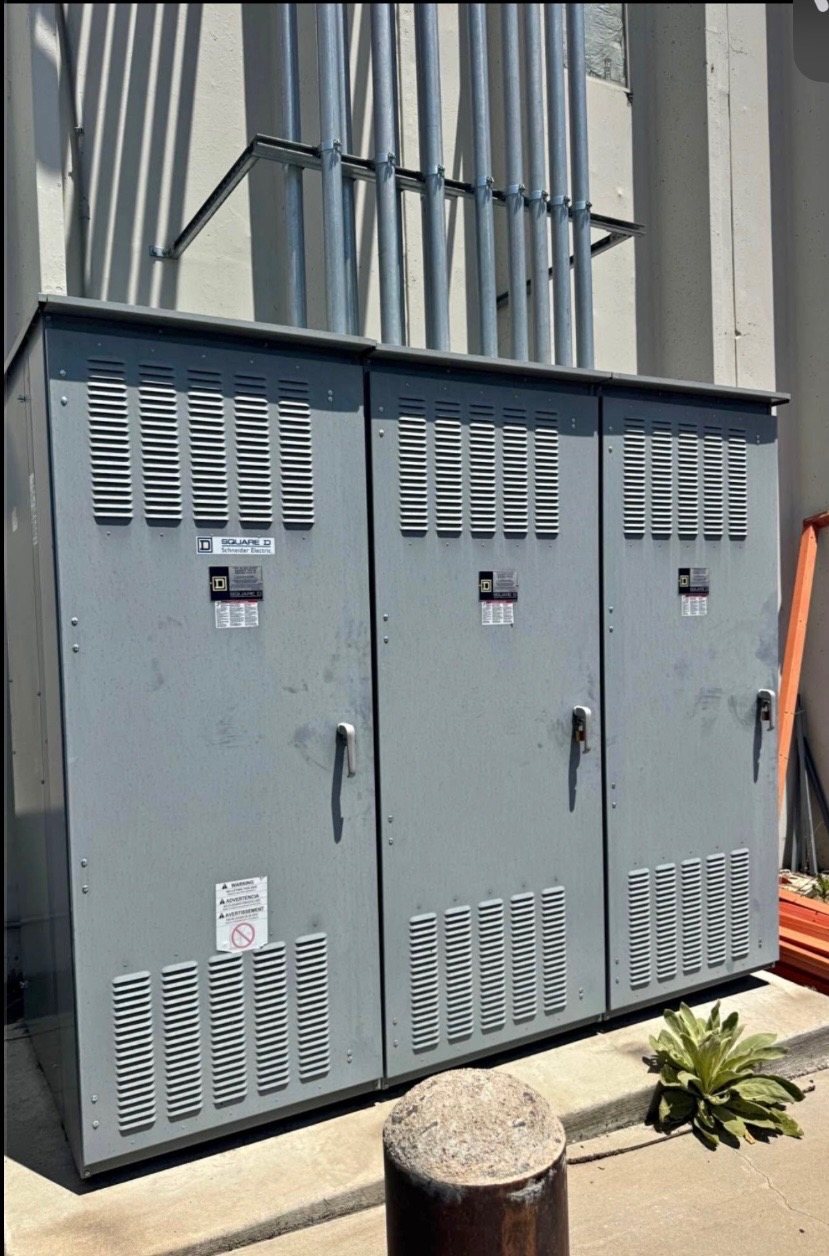
Define the phase boundary before describing the lineup
In a hypothetical Florida data center phaseout, the first ambiguity is what “the lineup” includes. A seller may mean an entire low-voltage assembly, selected main and feeder sections, or only equipment already released from service. Describe the proposed sale by the boundary actually known: identify included asset numbers where available, and keep adjacent equipment outside the offer scope unless it is separately identified for review.
That distinction matters when a row contains both retiring sections and equipment still supporting operations. A section’s physical proximity to an offered lineup does not establish that it is available for purchase. Mark the retained assets clearly in the inventory and explain whether boundaries are documented or still unknown. Florida Switchgear Buyers considers used, surplus, and decommissioned switchgear and related equipment for purchase; acceptance and the precise assets purchased depend on review.
Resolve asset-number gaps without guessing
Asset numbers provide a practical starting point for a phased release, but numbering may be incomplete, duplicated in older records, or inconsistent between a drawing and a facility inventory. List each known identifier beside the section it refers to, and flag uncertain matches rather than assigning a number based on physical appearance. If no reliable identifier is available, describe the section’s recorded position or designation and mark the asset number unknown.
A buyer reviewing a partial lineup needs to know whether two entries refer to separate sections or to the same equipment in different records. Existing accessible photos, schedules, or drawings can help establish that context, but a seller need not create new documentation or test equipment. If documents disagree, preserve both references and note the discrepancy. That produces a more accurate description than silently treating one record as definitive.
Record breaker information at the level available
Breaker details can sharpen an equipment description, yet a phased retirement often leaves some information unverified. For each offered section, share breaker identifiers or ratings only when they appear in accessible records or existing photographs. If one feeder’s breaker information is documented and another’s is absent, distinguish those cases instead of describing all feeders as though they were equally characterized. Missing breaker facts should remain explicitly unknown.
The distinction is useful even when the available record is brief. A schedule may identify a breaker designation without establishing its present condition, completeness, or suitability for another application. Do not infer those points from a label or assume that a listed component remains installed. Seller testing is not required, and no one should open, energize, isolate, disconnect, or handle electrical equipment to fill a documentation gap; qualified professionals handle purchased-equipment work.
Separate release timing from present operating status
A planned retirement date and current availability are different facts. One group of sections may be approved for release now, while another is expected to remain in service until a later phase or until an operating decision is made. Describe each group separately, using the seller’s known release status and any known timing. If a date is tentative, call it tentative; if timing has not been established, say so rather than implying immediate availability.
This separation helps prevent an inquiry about a future phase from being mistaken for an offer of equipment that can presently be purchased. For example, a facility might identify one numbered feeder section as proposed for a later release while keeping it in service today. That is materially different from an already retired asset. Do not ask staff to change operating conditions for a sale discussion; any electrical work remains with qualified professionals.
Describe condition and completeness as known, not assumed
A lineup can be described as used, surplus, or decommissioned when that accurately reflects its status, but those terms do not establish condition or completeness. Note any known missing sections, removed components, or documentation gaps only when supported by accessible information. If the seller has no reliable condition record, state that condition is unknown. This keeps the description informative without converting an incomplete inventory into an unsupported assurance.
Florida Switchgear Buyers makes cash offers and pays upfront for equipment it purchases. The offer and the precise assets included remain contingent on review, so a description should not imply a guaranteed purchase or a particular value. Sellers are not required to test equipment. Existing accessible records or photos may be shared voluntarily; there is no need to open enclosures or arrange hands-on inspection by facility staff for the purpose of preparing an inquiry.
Plan purchased-equipment removal as a separate boundary
A possible equipment purchase is not a commitment to demolish or decommission an entire data center. Identify which numbered assets are being offered and distinguish them from retained equipment, building systems, and any other work outside the proposed equipment scope. For assets purchased, Florida Switchgear Buyers handles crane, rigging, disconnects, loading, freight, and hauling. The removal arrangements concern purchased equipment, not general electrical services or wholesale facility demolition.
When a phased release is under consideration, share the known asset list, breaker information, and release status through accessible records, while labeling unresolved items as unknown. This allows review to focus on the proposed equipment rather than assumptions about a whole facility. For a purchase inquiry, contact Florida Switchgear Buyers at (614) 715-3047 or saleselectricalbuyers@gmail.com. Any offer, included assets, and arrangements are subject to review; no price or schedule is promised.