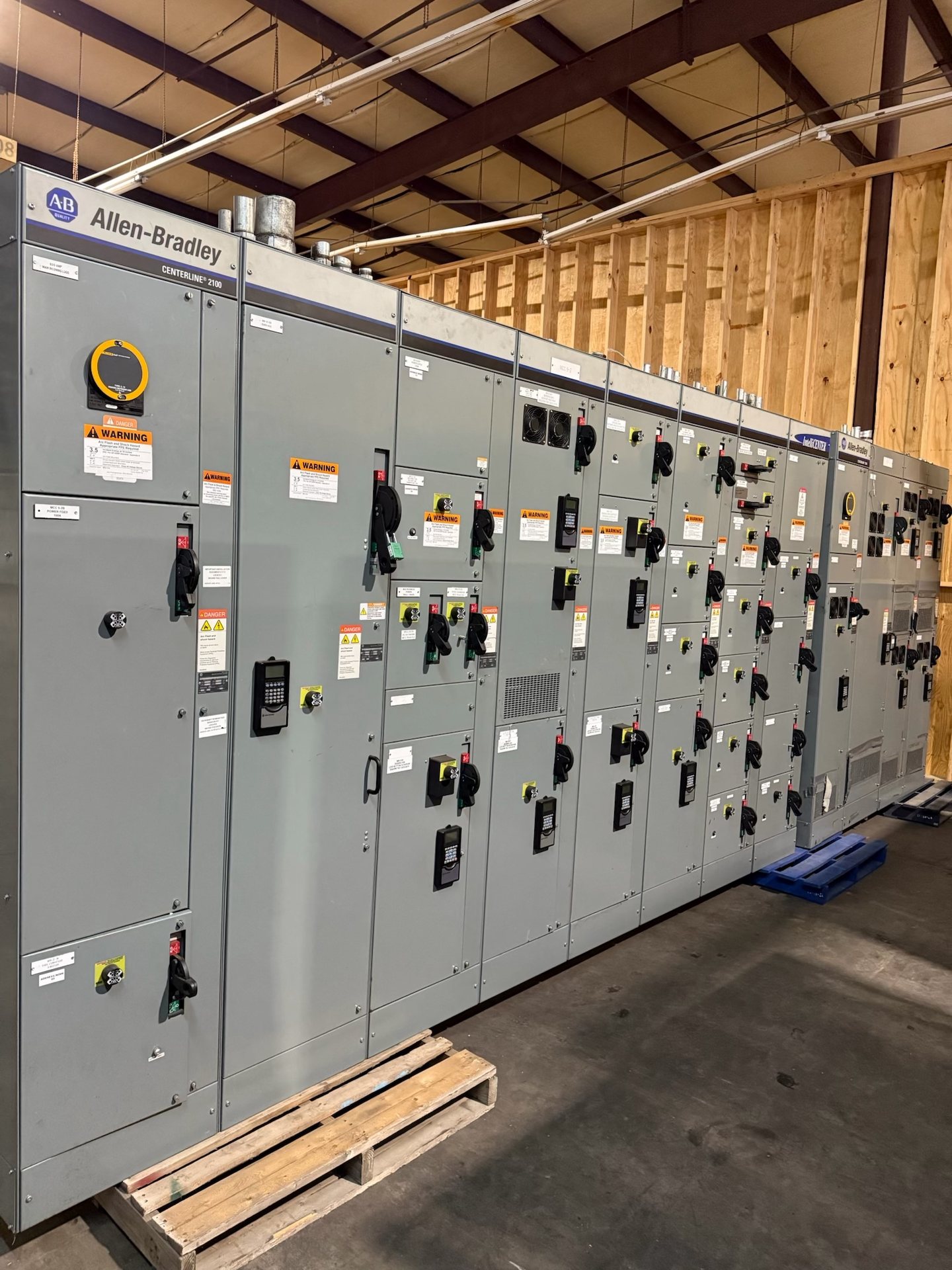
Scope the stored inventory, not the installed lineup
For a hypothetical Florida facility preparing an industrial decommissioning, begin by separating spare breakers held in storage from breakers installed in switchgear or other equipment. A stored inventory can be considered as a group of individual assets, while installed gear raises different questions about the equipment containing it. This distinction helps define what is being offered and avoids treating a breaker as available merely because it appears on a facility inventory sheet.
Describe the apparent storage grouping and quantities without disturbing anything. For example, note that a cabinet or designated storage area appears to contain several breakers, then record the visible count only if it can be observed safely from an accessible position. If packaging obscures contents or items cannot be counted confidently, label the quantity unknown or approximate. Do not open equipment, move breakers, or handle electrical components to improve the count.
Capture visible identification and ratings
For each identifiable breaker, record manufacturer and model markings as printed, along with visible rating information. Transcribe rather than interpret unfamiliar abbreviations, and distinguish what is legible from what is partly obscured or absent. A clear photograph of an accessible label can support review, but it should not replace the written inventory when multiple items look similar or when images do not show the markings sharply.
Keep the record tied to the individual item or storage group. A simple identifier such as a shelf location or existing asset number can help connect a photograph, a quantity, and the visible marks without asserting that the breaker fits a particular lineup. If labels differ across a group, record those differences instead of combining the items under one assumed description. The buyer can assess the information; the seller need not verify technical compatibility.
Describe accessories and condition as observed
Note whether accessories are visibly present, absent, or unknown. Depending on the item, relevant loose components might include items stored alongside it, but do not assume a part belongs with a breaker unless existing records or clear labeling support that association. If a breaker is pictured without an accessory, say only that the accessory is not visible in the photograph; it may be stored elsewhere. This careful wording prevents an incomplete image from becoming a false inventory claim.
Use factual visual descriptions rather than conclusions about operation. Packaging, visible exterior condition, and whether identification marks can be read may help describe what is available, but none establishes that a breaker functions or is suitable for reuse. Seller testing is not required. Do not energize, open, isolate, disconnect, move, or otherwise handle equipment to confirm condition; only qualified professionals should handle electrical equipment.
Assemble records and mark gaps plainly
Gather records that already exist and can be shared, such as inventory sheets, purchase documentation, prior asset lists, or photographs. Include the document date or source when known, because a historic list may not reflect the present stored quantity. If the record describes a breaker as a spare but its current location is uncertain, preserve that distinction rather than presenting the old designation as a verified current fact.
Make unknowns easy to see: unreadable rating, uncertain count, missing model identifier, or unclear accessory association. Do not fill gaps by inference from a neighboring breaker or a similar-looking item. A buyer can review available details and determine what additional information matters. Where an answer is unavailable without handling or testing, state that it is unknown; the possibility of a sale does not make verification the seller’s responsibility.
Coordinate a bounded equipment transaction
A possible purchase concerns the electrical equipment identified and accepted after review, not general plant demolition or a promise to decommission a facility. If the hypothetical site also has installed switchgear, wiring, or unrelated material, keep those items separate in the proposed inventory unless they are expressly included for review. Florida Switchgear Buyers purchases used, surplus, and decommissioned electrical switchgear and related equipment across voltage classes, including equipment from decommissioned data centers and closed power plants.
For equipment purchased, the company handles crane, rigging, disconnects, loading, freight, and hauling. These arrangements concern purchased assets and should not be read as a general electrical-services or facility-demolition offering. Qualified personnel handle electrical equipment; the seller should not prepare breakers for removal by attempting a disconnect or relocation. The precise assets purchased remain subject to review, so a count submitted for consideration is not itself confirmation of acceptance.
Start the buyer conversation with a clear inventory
When contacting a buyer, share the visible manufacturer and rating marks, quantity or count status, available photographs, and known accessory gaps. Explain whether each item is stored separately or remains associated with other equipment, and flag any mismatch between current observation and older records. This gives the review a practical starting point while leaving uncertain compatibility, condition, and operation appropriately unresolved.
Florida Switchgear Buyers makes cash offers and pays upfront for equipment purchased; the offer and exact purchase scope depend on review. To discuss an inventory, call (614) 715-3047 or email saleselectricalbuyers@gmail.com. The initial conversation can focus on what the records actually show and which assets may be considered, without seller testing or a commitment that every listed breaker will be purchased.