Start with the offered asset, not the record set
When a power plant is being decommissioned, relay files may describe protection equipment more precisely than a general asset list. For a seller, the useful question is not simply whether records exist, but which listed switchgear and related items are actually being offered for purchase. A hypothetical Florida facility might have relay documents organized by lineup, feeder, or panel; those labels can help identify candidates without establishing ownership or sale scope.
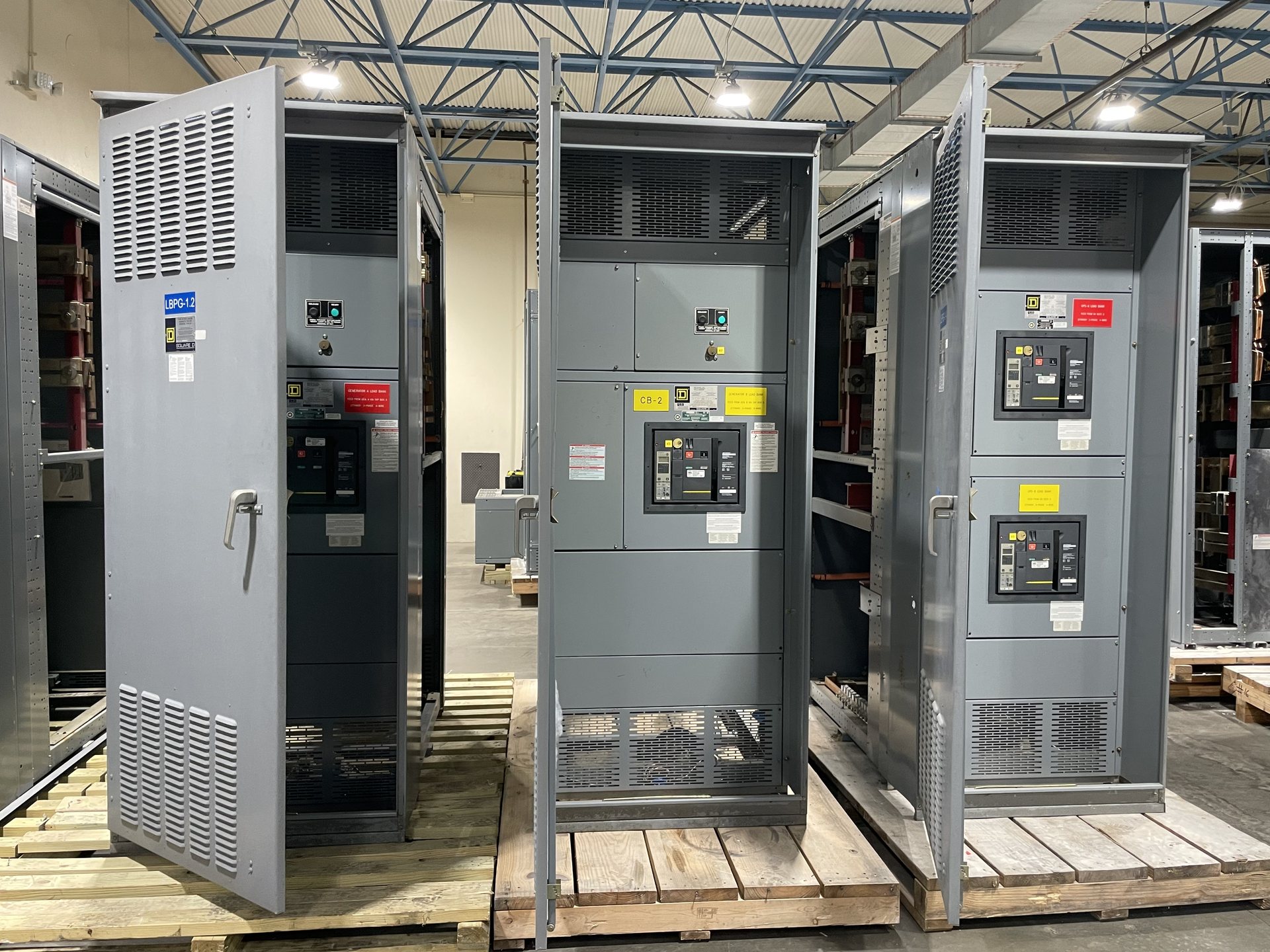
Compare each available record’s equipment identifier with the identifiers already visible in the facility’s inventory, drawings, or photographs. If one file names a relay panel while the asset list names a switchgear lineup, preserve both descriptions rather than assuming they refer to the same item. A match may be plausible, but an unresolved mismatch should be marked for review, not silently treated as a confirmed asset.
Separate installed relays from associated control items
An asset description may cover a switchgear assembly, while relay records refer to particular protective relays, control panels, or related components. Those references can clarify what the documentation concerns, but they do not by themselves show that every mentioned item remains present or is included in the proposed sale. Identify the equipment being offered as specifically as existing records allow, and flag components whose inclusion is uncertain.
For example, a list might identify a lineup and a record might name a relay associated with one section. If the seller cannot confirm from accessible records whether a separate control item is included, label that point unknown. Do not infer that a relay, wiring, or accessory will transfer merely because it appears in a drawing or settings file. The precise assets purchased depend on review.
Treat documentation as evidence of identity, not condition
Protection and relay records can provide useful identifiers, such as a device designation or an association with a particular panel, when those details are present in the materials. They remain documentation, not an inspection of the equipment’s current condition. A file may be incomplete, outdated, or disconnected from the installed item; unless the seller has verified a fact through an appropriate process, describe it as recorded information rather than a present-day finding.
The same distinction applies to settings. A settings sheet can show values documented at some point, but it does not establish that those values are current, correctly applied, or suitable for another installation. Avoid presenting records as proof of performance or compatibility. Missing dates, uncertain revisions, or absent links between a document and a specific asset are useful limitations to disclose, not reasons to create an assumed answer.
Reconcile discrepancies without creating new claims
A practical reconciliation can place the asset-list wording beside the exact identifier shown in existing relay records, with a brief note for any difference. If a lineup number appears in one source and a panel designation in another, retain both and identify the relationship as unconfirmed unless the available documentation establishes it. This keeps review focused on the equipment under consideration and prevents a broad file folder from being mistaken for a complete inventory.
Where records refer to equipment no longer shown on an accessible list, or a listed item has no matching relay document, record the gap plainly. It may reflect incomplete files, naming changes, or a record that concerns something outside the sale; the cause should remain unknown unless established. Share only documentation the seller is authorized to disclose, and follow applicable site information restrictions, including limits on sensitive operating details.
Share records safely; do not perform seller testing
Existing, accessible documents and photographs may help explain identifiers and the intended sale scope. A seller does not need to test equipment for Florida Switchgear Buyers to consider a potential purchase. Do not open, energize, isolate, disconnect, move, or otherwise handle switchgear to obtain a photograph or verify a record. Only qualified professionals should handle electrical equipment; any necessary site work belongs with appropriately qualified personnel under the site’s requirements.
If a record is missing, illegible, or restricted, say so rather than reconstructing its contents. The review can proceed with known information and clearly labeled unknowns. Photographs should be limited to material the seller is permitted to share and can provide safely from an existing accessible source. Documentation can support an initial assessment, but it is not a substitute for a functional test, and no seller test is required.
Define a possible purchase separately from plant work
Florida Switchgear Buyers purchases used, surplus, and decommissioned electrical switchgear and related equipment in all voltage classes, including equipment from decommissioned data centers and closed power plants. It makes cash offers and pays upfront for equipment purchased. For purchased equipment, it handles crane, rigging, disconnects, loading, freight, and hauling. These arrangements concern purchased assets; they are not a promise to demolish a facility or provide general electrical services.
An offer and the precise equipment included remain contingent on review of the available information and assets. To discuss relay records alongside a proposed equipment list, contact Florida Switchgear Buyers at (614) 715-3047 or saleselectricalbuyers@gmail.com. Sharing a record does not establish that every referenced item will be purchased, and no price or schedule should be assumed before review. Keep the record-to-asset reconciliation clear so the discussion can distinguish identified equipment from unresolved control items.