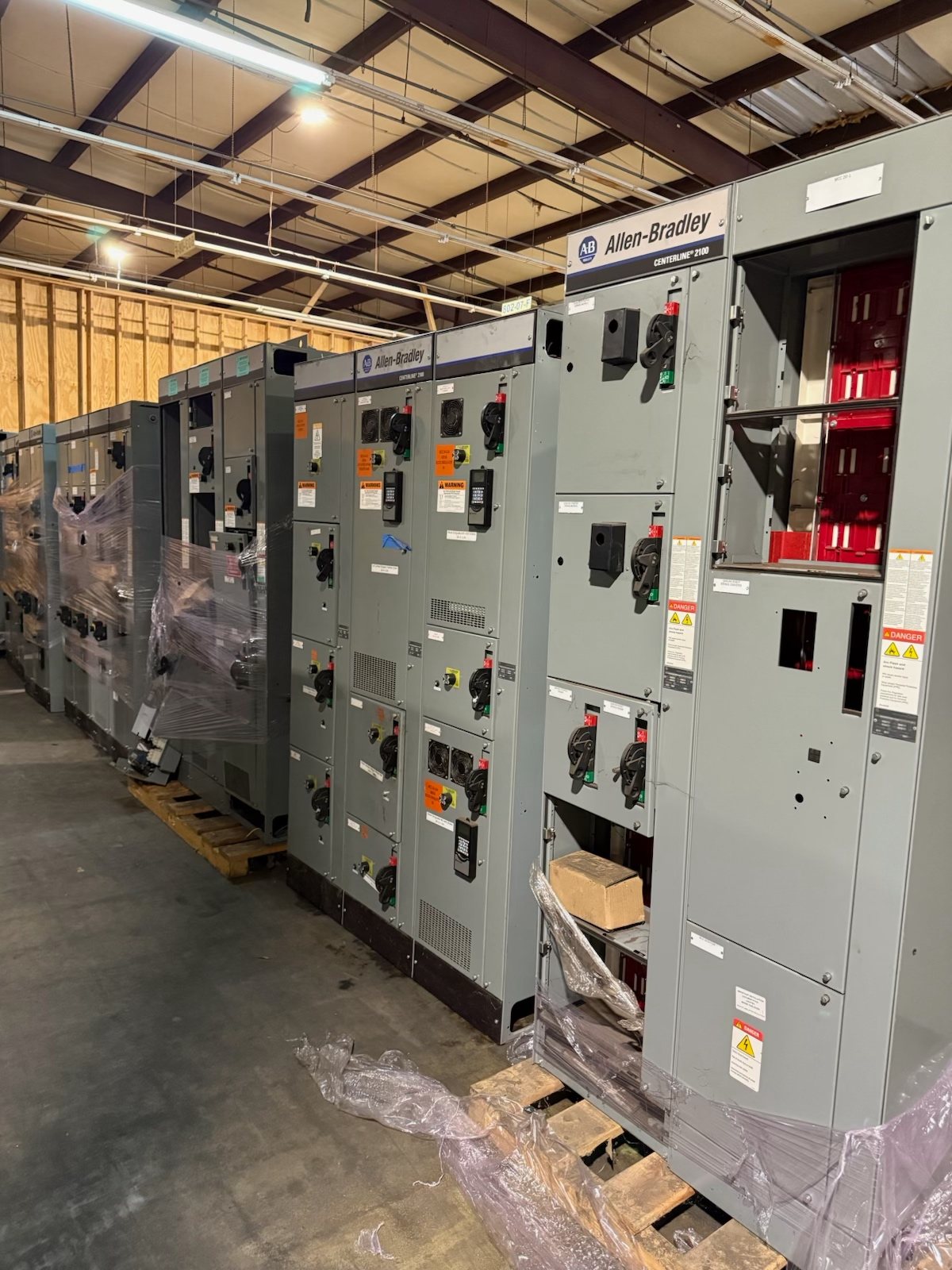
Define the equipment included in a possible sale
At a hypothetical Florida industrial facility, the first useful step is to define the proposed sale boundary—not to assume that every cabinet in a yard is available. Identify the outdoor pad-mounted switching enclosure under consideration by its location or a site-assigned reference, then distinguish it from neighboring equipment that the owner plans to retain. A clear boundary helps a buyer assess the intended assets without mistaking adjacent infrastructure for sale inventory.
Where a nameplate is legible from an existing safe vantage point, its manufacturer, model, serial number, and voltage information may help identify the enclosure. Share only details that are already accessible; no one should open, energize, test, isolate, disconnect, or move equipment to obtain them. If a field is obscured or unreadable, mark it unknown rather than infer a value from a nearby unit or an old drawing.
Describe visible condition without testing
A visual description can help frame review while remaining separate from an engineering assessment. Note externally visible conditions such as apparent enclosure damage, corrosion, missing covers, or signs of prior removal, but describe what can actually be seen and where. A photograph taken from an authorized, safe position may add context. Avoid calling equipment operational, complete, or serviceable based on appearance; those conclusions require information not established by an exterior view.
The surrounding setting can matter to planning, too. If the enclosure sits behind a fence, beside retained switchgear, or near a constrained access route, explain that relationship in ordinary site terms. Do not approach hazardous equipment or change site controls to improve a photograph. Florida Switchgear Buyers does not require seller testing, and the seller’s account can explicitly distinguish observed exterior condition from unknown internal condition.
Gather existing records and mark gaps
Useful records may include an existing equipment schedule, asset register, purchase or maintenance documents, drawings, and photographs already held by the owner. Share copies only when authorized and relevant to the proposed assets. Records can help reconcile a nameplate with an internal asset number or clarify whether the enclosure is part of a larger assembly, but an old document should not be treated as proof that the present configuration is unchanged.
A short list of knowns and unknowns is more reliable than filling gaps with assumptions. For example, ownership may be confirmed while the original installation date remains unknown; the nameplate may be readable while the internal arrangement is undocumented. If drawings cover several cabinets, indicate which reference appears to match the proposed enclosure and which neighboring items are excluded. This keeps uncertainty visible for buyer review.
Confirm authority and the sale boundary
Before discussing a sale, establish that the person coordinating it is authorized to represent the owner and that the proposed equipment can be offered for purchase. A facility operator, asset owner, and contractor may have different roles; where authority or title is unclear, resolve that question through the appropriate organization before treating the enclosure as available. No assumption about ownership should be made from physical location alone.
Mark retained assets and shared infrastructure as carefully as sale candidates. A nearby cabinet, support, cable route, or control component may serve other equipment, and its status may not be evident from a photograph. Explain any known boundary uncertainty rather than asking a buyer to decide what the facility intends to keep. The precise assets purchased remain subject to review, so a proposed inventory is not confirmation of acceptance.
Coordinate access and purchased-equipment work
For review, describe the facility’s access process, site contact, entry requirements, and any known restrictions on approaching the equipment. These details help identify practical questions without committing to a visit or removal schedule. Only qualified professionals should handle electrical equipment. Sellers should not disconnect, isolate, open, test, energize, or move an enclosure; any work on equipment purchased is handled by qualified personnel.
Florida Switchgear Buyers buys used, surplus, and decommissioned electrical switchgear and related equipment in all voltage classes, including equipment from decommissioned data centers and closed power plants. For equipment it purchases, the company handles crane, rigging, disconnects, loading, freight, and hauling. That is purchased-equipment work, not a promise to demolish a facility or provide general electrical services. The purchase scope and any removal planning depend on review of the assets and site information.
Make the buyer conversation specific
A focused initial conversation can identify the enclosure, summarize visible condition, state what records are available, and flag ownership, access, or boundary questions. Existing photographs or documents may be shared if accessible and authorized; seller testing is unnecessary. Florida Switchgear Buyers makes cash offers and pays upfront for equipment purchased. Neither the offer nor the exact assets included should be assumed before review, and no price or schedule is guaranteed.
To discuss a possible sale, contact Florida Switchgear Buyers at (614) 715-3047 or saleselectricalbuyers@gmail.com. Include the facility’s general setting, the equipment reference or legible nameplate details, and a clear account of what is proposed for sale versus retained. If a key fact is missing, say so plainly. A candid description gives the buyer a practical basis to review the opportunity without asking site staff to handle electrical equipment.