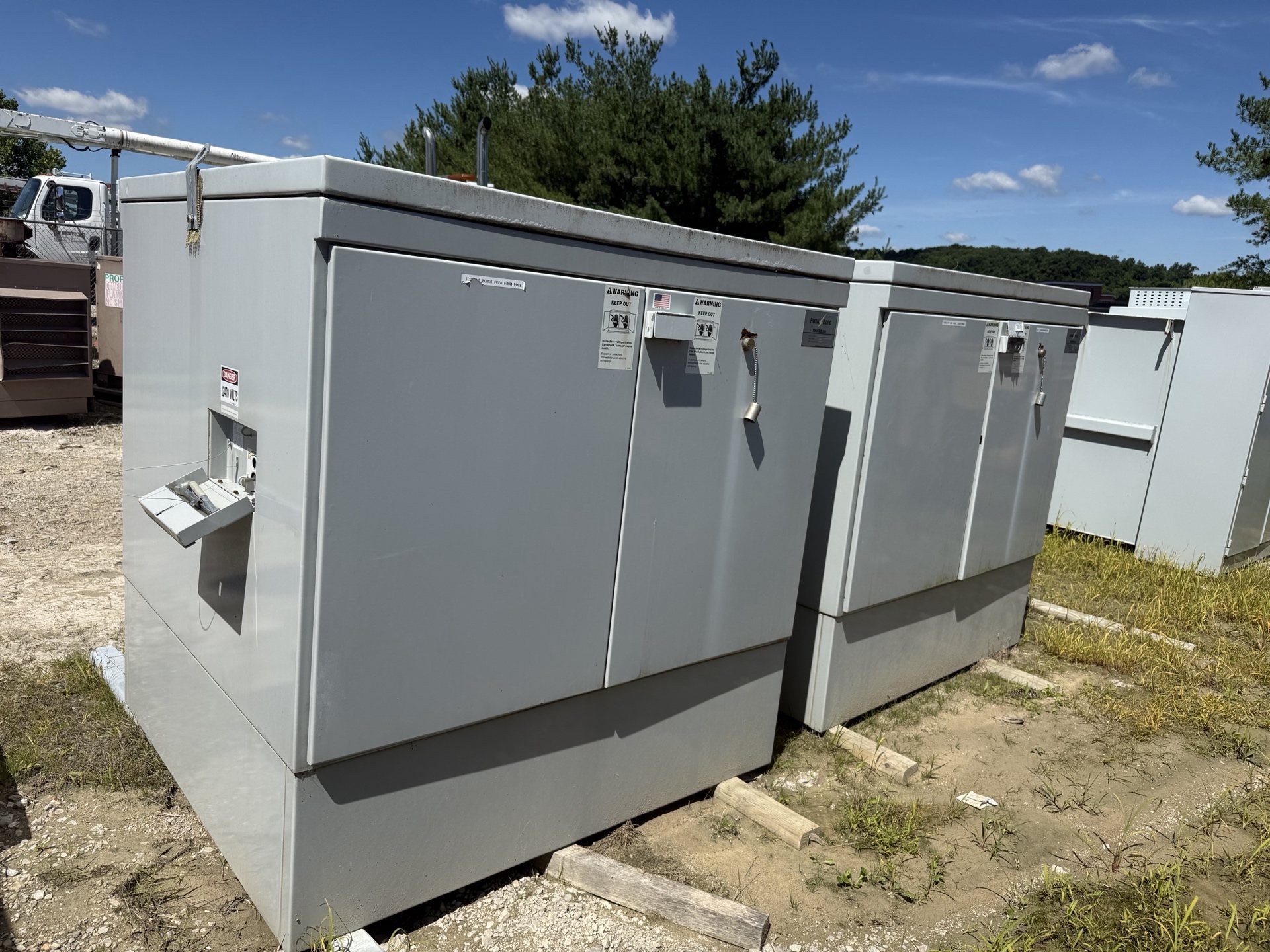
A lineup offered as a complete assembly
A retired power plant may have a switchgear lineup offered as one inventory item, even when its sections served different functions or were installed at different times. For a hypothetical Florida facility, describe what the owner understands to be included and identify any known boundaries between the offered lineup and equipment staying on site. If that scope is uncertain, mark it unknown rather than treating adjacent gear as part of the offer.
Access information helps distinguish a possible equipment purchase from a broad site-removal request. Owners can share existing records about the lineup’s location, the route from its room to an authorized loading area, and known building limitations. Florida Switchgear Buyers reviews used, surplus, and decommissioned switchgear and related equipment across all voltage classes; the exact assets considered for purchase remain subject to review. This is not a general plant demolition service.
Separate sections and partial-lineup inventory
A surplus list may contain only selected cubicles, a spare section, or a lineup with gaps where equipment has already been removed. Record which items are believed to remain and which are included in the proposed sale, using existing labels or documentation where available. If the owner cannot confirm whether a section is complete or associated with the lineup, preserve that uncertainty for review instead of inferring a match from appearance.
Partial inventories can affect the practical access picture as much as the equipment description. If known, note whether the offered sections occupy one room or several, and whether the stated route applies to all of them. Share available photographs or drawings from a safe, accessible source; no seller testing is required. Sellers should not open, energize, disconnect, move, or otherwise handle electrical equipment to answer questions.
Known dimensions and limits of the route
Existing drawings, prior inventory records, or other accessible documentation may state lineup length, height, depth, or section dimensions. These are useful reference points, not a substitute for confirming what the owner is actually offering. If dimensions are approximate, incomplete, or measured at an earlier date, label them accordingly. Do not create measurements by approaching or handling equipment; missing dimensions can simply be reported as unknown.
Describe building restrictions separately from equipment dimensions. A hypothetical Florida plant might have a narrow doorway, a low overhead obstruction, a turn in an interior corridor, or a restricted loading entrance, but none should be assumed without owner knowledge. Note the location and source of each known constraint, and distinguish confirmed restrictions from questions that require site review. This information supports logistics assessment; it does not establish a removal method or schedule.
Room conditions and site authorization
The owner’s access notes can identify which rooms or areas contain offered equipment and whether entry is controlled by the facility. Where relevant, state any known access rules, escort requirements, sign-in procedures, or operating-hour limits, while avoiding disclosure of sensitive security details in an initial inventory. If a restriction has not been confirmed, say so. Only authorized contacts should arrange any site access, and equipment work for purchased assets is handled by qualified personnel.
Access readiness is not the same as permission to enter or perform work. Identify who can authorize a visit, who can explain building constraints, and who can confirm that the proposed assets are available for sale. If those responsibilities sit with different people, provide the appropriate roles or contact route rather than assuming one person controls every decision. Any purchase and the precise equipment included depend on review; no sale or site activity should be presumed from an inventory description alone.
Loading-area information without a rigging plan
For a possible purchase, useful owner-provided facts may include the location of the building’s loading area, known vehicle access limits, or whether access is shared with ongoing facility operations. These details help frame a logistics review but do not prescribe rigging, lifting, or transportation arrangements. Avoid estimating equipment weights or declaring a route suitable unless reliable existing records support that statement; otherwise identify the information as unavailable.
For equipment purchased, Florida Switchgear Buyers handles crane, rigging, disconnects, loading, freight, and hauling. That scope applies to purchased equipment and should not be confused with removal of every asset at a facility or wholesale demolition. The seller does not need to arrange testing, and no timing should be inferred from access notes. Logistics can be considered only after the assets and relevant site conditions have been reviewed.
Coordinate records and the next review
A concise inventory package can bring together the offered-item list, accessible photos, known dimensions, route restrictions, and the name of an authorized site contact. Keep confirmed facts distinct from estimates and unanswered questions. If a lineup’s identity, completeness, or availability is unclear, say what is unknown rather than filling gaps with assumptions. This helps reviewers ask focused questions without asking a seller to inspect or manipulate electrical equipment.
To discuss a potential purchase, contact Florida Switchgear Buyers at (614) 715-3047 or saleselectricalbuyers@gmail.com. The company makes cash offers and pays upfront for equipment it purchases; an offer and the precise assets purchased are contingent on review. Sharing access information does not guarantee acceptance, a particular price, or a schedule. Owners can begin with records and photos already available and leave technical handling to qualified professionals.