Decide what is actually being offered
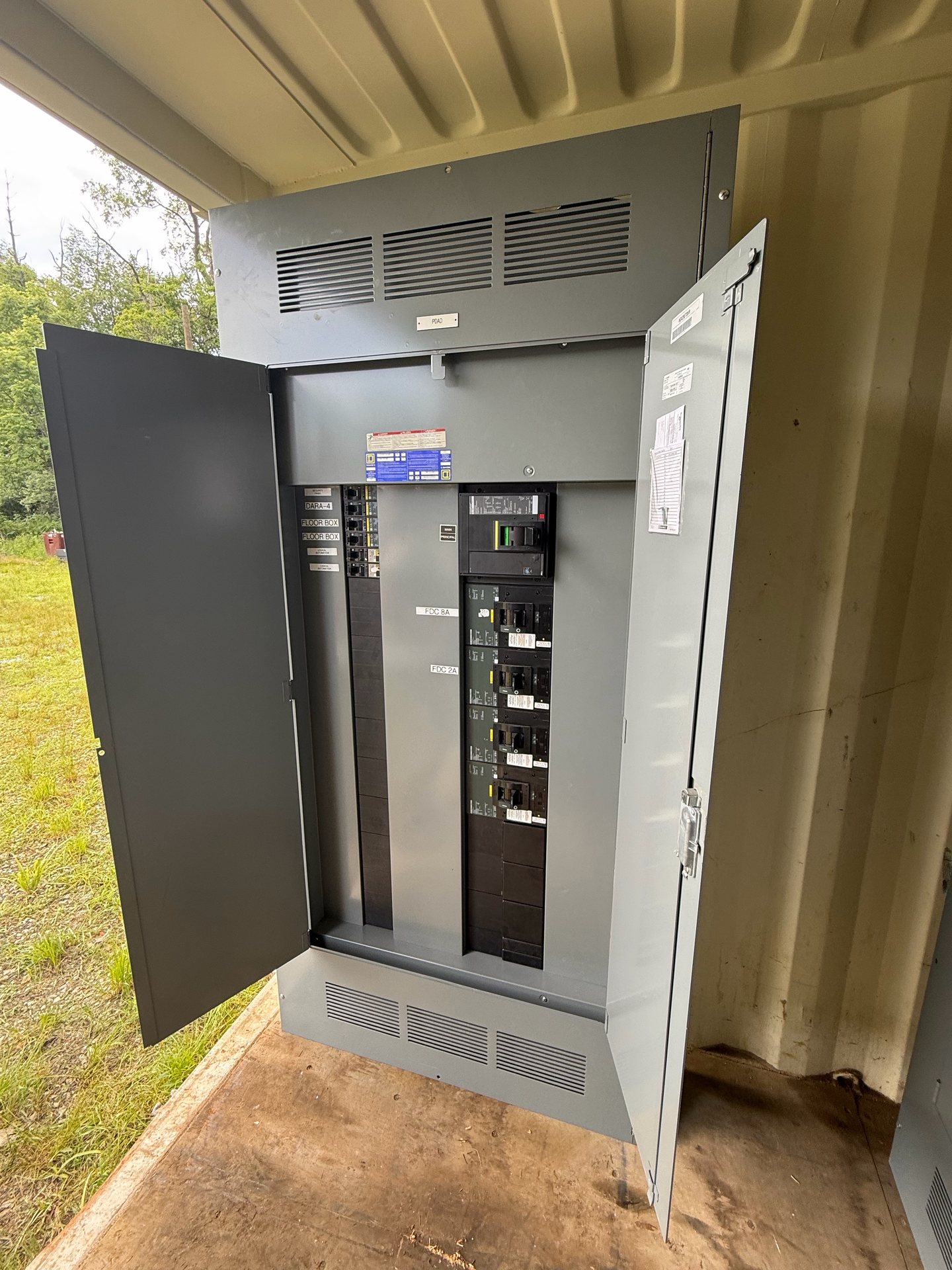
Imagine a hypothetical Florida facility preparing to decommission a production area. Its owner must decide whether to offer a complete motor control center (MCC), selected sections, or spare buckets kept in storage. Those are different sale scopes: a section is a larger assembly, while a bucket is an individual motor-control unit associated with an MCC. A possible purchase concerns electrical equipment, not the plant’s process machinery or a general demolition project.
Before describing the lot, separate equipment intended for sale from equipment that will remain with the facility or be handled under another arrangement. A lineup may include sections with installed buckets, empty spaces, and loose spare units. Treat each as a distinct item in the proposed scope rather than assuming that an offer for one section includes every bucket, accessory, or neighboring assembly. The assets ultimately purchased depend on review.
Build an identity map from existing records
Use accessible inventories, drawings, schedules, nameplate photographs, or prior maintenance records to create a section-by-section map. Where records support it, note the lineup designation, section identifier, and the bucket positions or labels associated with that section. If a record gives only a room or line name, preserve that wording and identify the formal designation as unknown rather than supplying a guessed section number.
A bucket’s label may help distinguish it from another unit, but a label alone does not establish its complete configuration or whether it belongs to the section being offered. Cross-reference existing documents where possible, and flag discrepancies—for example, a schedule listing a bucket position that an older inventory calls spare. Sellers can share documentation and photos already accessible to them; they do not need to open equipment or produce new images from an unsafe location.
Account for installed, spare, and missing units
Show installed buckets separately from loose or stored spares. A complete spare bucket, a unit recorded for a position but not currently accounted for, and an unclear inventory entry are distinct cases and should be described separately. If an inventory lists a unit that cannot be located, mark it as unlocated and its presence unconfirmed. That distinction helps reviewers assess the offered assets without representing an unverified item as present.
Likewise, distinguish a known empty bucket position from a gap in the information. An old drawing may show a position that has since changed, while a current list may omit a unit without explaining why. Record the source and date of each available reference when known, and leave unknown dates or histories blank. Clear qualification is more useful than a complete-looking inventory built on assumptions.
State ratings only when documented
Capture voltage, current, or other ratings only when they appear in accessible records or readable documentation already available to the seller. Keep the source tied to the relevant section or bucket; a lineup-level value should not automatically be assigned to every installed unit. If documents conflict, present both recorded values and note the discrepancy instead of selecting one as correct. If no supporting information is available, identify the rating as unknown.
An MCC’s motor-control equipment should also be distinguished from the motors, pumps, conveyors, or other process machinery it may serve. A motor listed beside a bucket in a process schedule is not thereby part of the electrical-equipment offer. Describe the boundary plainly: identify the MCC sections and buckets under consideration, and list associated machinery separately as outside the described scope unless review establishes otherwise.
Share records without testing or handling
Florida Switchgear Buyers considers used, surplus, and decommissioned electrical switchgear and related equipment across all voltage classes, including equipment from decommissioned data centers and closed power plants. Sellers are not required to test MCC sections or buckets. Do not energize, open, isolate, disconnect, move, or otherwise handle equipment to complete an inventory; only qualified professionals should handle electrical equipment, and any purchased-equipment work is handled by qualified personnel.
For initial review, an owner can provide existing accessible records and photos, along with a concise explanation of what is included, what is spare, and what remains uncertain. Avoid presenting an unverified condition, compatibility, or completeness as established. A documented unknown is still useful: it lets the buyer distinguish confirmed identifiers from questions that would need review before deciding which assets, if any, can be purchased.
Clarify purchase scope and next steps
A possible MCC purchase is not a commitment to buy every listed item, and equipment purchasing is not wholesale facility demolition or general electrical service. For assets purchased, Florida Switchgear Buyers handles crane, rigging, disconnects, loading, freight, and hauling; sellers should not undertake that work themselves. The precise equipment accepted is contingent on review, so keep the proposed list specific enough to separate included sections and buckets from excluded or uncertain items.
To submit the available information or ask about a potential sale, contact Florida Switchgear Buyers at (614) 715-3047 or saleselectricalbuyers@gmail.com. The company makes cash offers and pays upfront for equipment purchased. No price or purchase scope is established until review, and no schedule should be assumed. A clear identity map, careful treatment of missing units, and source-based ratings give that review a sound starting point.