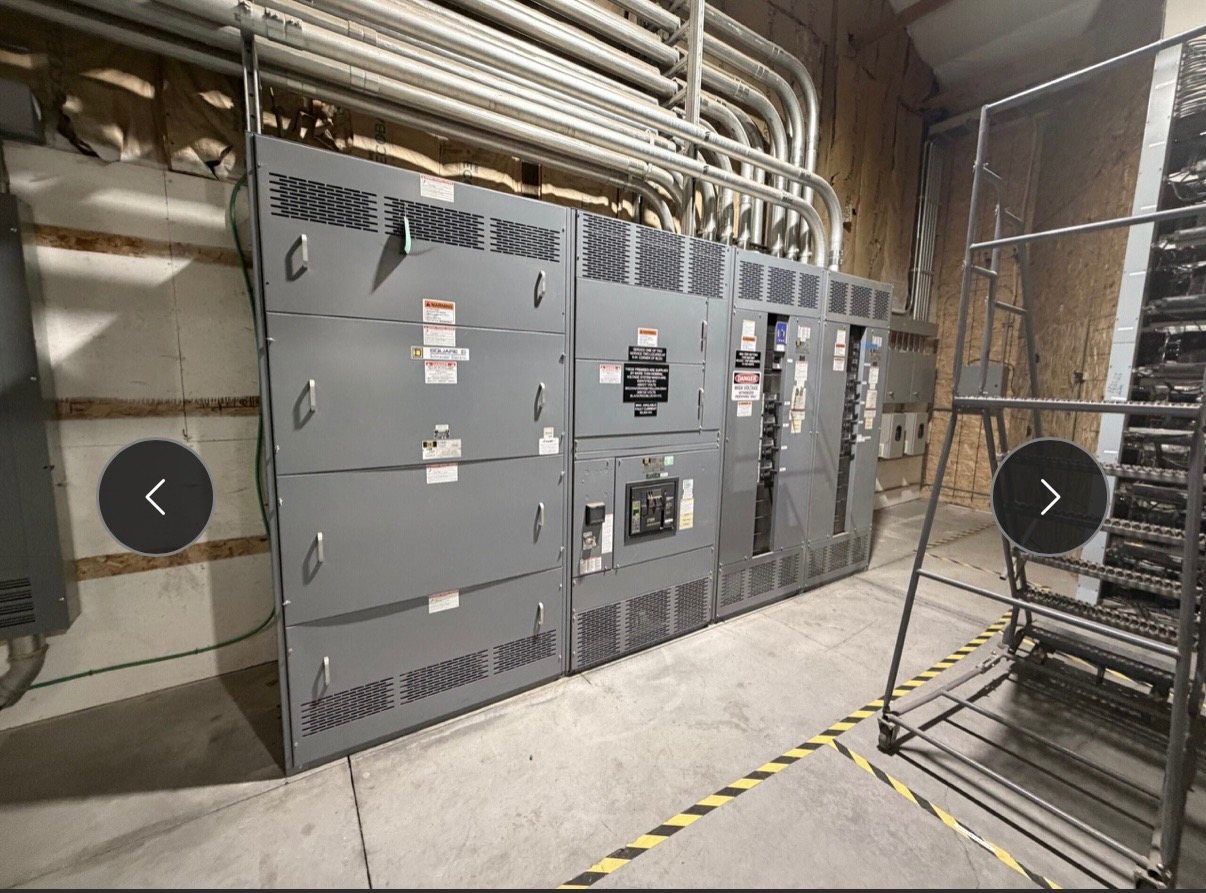
Separate the transfer switch from its controller
A transfer-switch cabinet and its associated controller may appear in one equipment schedule, but they are not necessarily the same asset. In a hypothetical Florida data center, an owner might find a cabinet label, a separate controller marking, and accessory entries on different pages. Record each as its own item where the documents support that distinction; do not assume a controller is included merely because the records associate it with a switch.
Use readable markings already visible in existing photographs or records to identify what each entry refers to. A manufacturer name, model, serial number, or other legible identifier can help distinguish similar-looking records, but leave any field blank or mark it unknown if it cannot be confirmed from accessible information. There is no need to open an enclosure, operate a device, or create new photographs by approaching electrical equipment.
Reconcile names, quantities and record sources
Compare the quantity stated in each available source rather than merging conflicting figures into one total. For example, an asset list could show two switches while a controller schedule names only one associated controller; that difference is a question for review, not proof that a unit is missing. Note whether a quantity comes from an inventory, drawing, label photo, or another existing record, and preserve the source wording when its meaning is unclear.
Records may use a room designation, equipment tag, or abbreviated description that does not match a later inventory. Keep those references alongside the readable equipment markings instead of treating them as interchangeable identifiers. If two entries could describe the same cabinet, flag the possible duplicate; if the records do not establish the relationship, say so. A careful record can be useful without claiming that the owner has verified the equipment in person.
List accessories as separate, conditional items
Accessories should be recorded separately when existing documents identify them as distinct items. Depending on the installation and available records, entries might refer to a communications module, sensing component, or other control-related accessory; these are examples, not assumptions about a particular switch. State the listed quantity and identifier when readable, and note whether the source explicitly links the accessory to a particular cabinet or controller.
A complete-looking schedule does not establish that every listed accessory remains present, is included in a contemplated sale, or is compatible with another item. If the owner cannot confirm those points from accessible records, label them unknown rather than filling gaps with assumptions. Do not ask staff to inspect inside equipment or remove a component to resolve a paperwork discrepancy. Any review of purchased equipment and related removal is handled by qualified personnel.
Make retained and included status explicit
For each identified switch, controller, and accessory, distinguish an item proposed for review from one the facility intends to retain. A controller may be operationally associated with a cabinet yet excluded from a potential transaction, or a listed accessory may be reserved for another use. Marking status item by item reduces ambiguity; a general note such as “switchgear” may not show which specific assets the owner is offering.
Where ownership, inclusion, or retention has not been decided, record that status as pending or unknown rather than presenting it as settled. A hypothetical facility might also have an item listed in a decommissioning record but held for a separate internal purpose. That circumstance does not establish that it is available for purchase. The precise assets considered and any offer depend on review, so a record should describe the owner’s current intent without implying acceptance.
Share records without testing or operating equipment
Existing accessible documentation and photographs can help explain the proposed group of assets, especially when cabinet, controller, and accessory entries are separated across records. Sellers do not need to test equipment for a purchase review. Do not energize, operate, open, isolate, disconnect, move, or otherwise handle electrical equipment to confirm a marking or resolve a record gap; only qualified professionals should handle it.
If a record lacks a model number, quantity, or clear association, identify the missing fact plainly. A seller can share what is already available and distinguish documentary information from anything not verified. Florida Switchgear Buyers purchases used, surplus, and decommissioned electrical switchgear and related equipment across all voltage classes, including equipment from decommissioned data centers. That scope does not mean every listed transfer switch, controller, or accessory will be purchased; each asset remains subject to review.
Understand the transaction boundary
A possible equipment purchase is not a commitment to buy an entire data center or perform general facility demolition, electrical work, or a full decommissioning project. For equipment purchased, Florida Switchgear Buyers handles crane, rigging, disconnects, loading, freight, and hauling; this is purchased-equipment work, not a promise to remove every item shown in a facility record. The owner should keep proposed assets distinct from building systems and other property outside the contemplated sale.
Florida Switchgear Buyers makes cash offers and pays upfront for equipment it purchases; neither an offer nor the purchase scope is established before review, and no price or schedule should be assumed. To discuss identified records or equipment, contact (614) 715-3047 or saleselectricalbuyers@gmail.com. Sharing a readable inventory and existing photos, if available, can clarify what is being considered, while unknown details remain unknown and no seller testing is required.