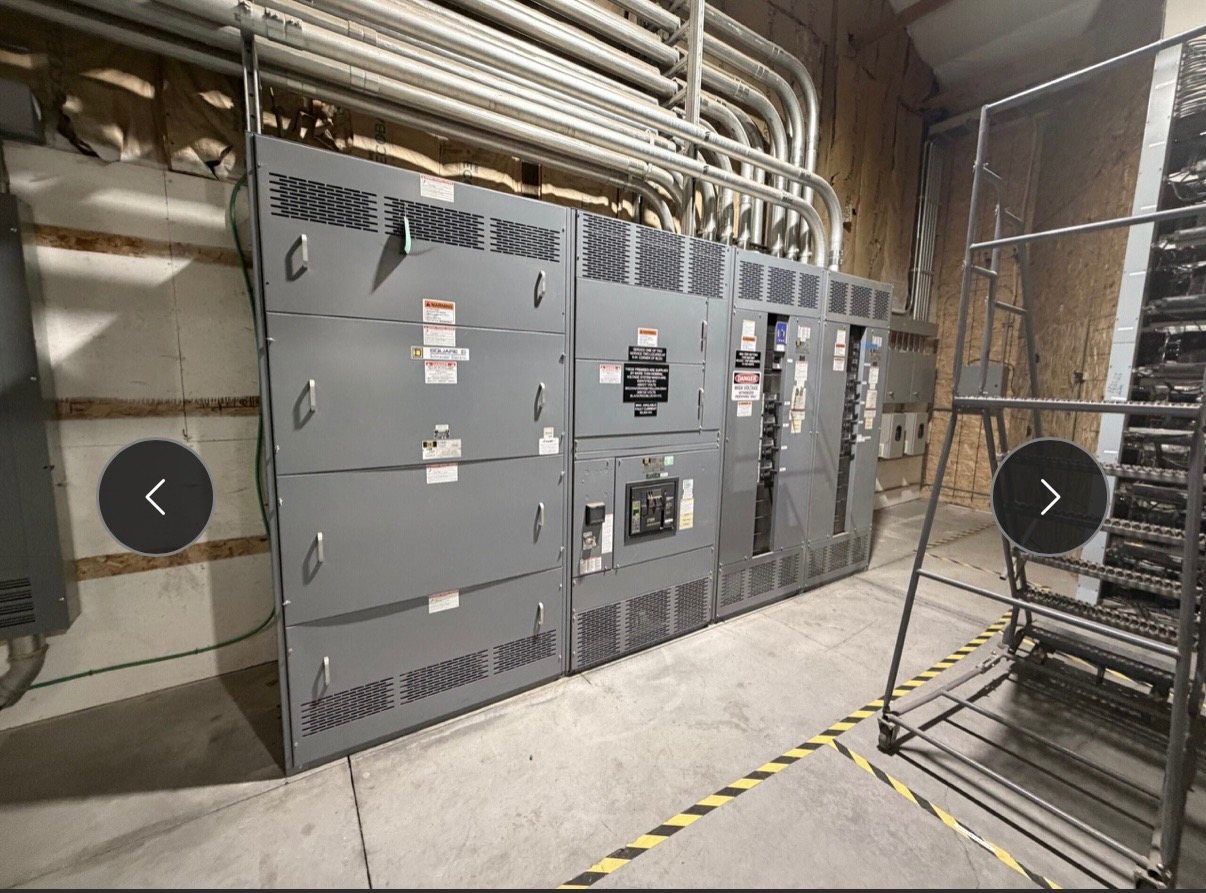
Define each release boundary
A phased release starts with a clear description of what is being offered now, rather than a broad reference to “the electrical room” or “remaining plant equipment.” A hypothetical Florida facility might release one group of switchgear before another area is ready. Identify each offered section by an existing room name, equipment tag, or other familiar reference, and note what is included only when records support that description.
Keep the asset sale distinct from the wider closure plan. A buyer may review used, surplus, or decommissioned switchgear and related equipment for possible purchase; that does not make the buyer responsible for managing the facility shutdown, coordinating every contractor, or demolishing the site. State which equipment is presented for review and which activities remain under the facility’s own closure arrangements.
Give every phase a clear owner
Assign a seller-side contact to each offered section, even if one person coordinates several phases. That contact can explain the records, identify the decision maker authorized to approve a sale, and relay changes in access or readiness. If the contact can provide information but cannot approve the transaction, name the approval route separately so a buyer’s questions do not become an assumed commitment.
A practical handoff can record the section identifier, the person supplying information, the person making the sale decision, and the next known review point. If responsibility is shared among a plant team and a property representative, describe that arrangement rather than assuming one party controls every asset. Clear roles help keep a question about one release from being mistaken for approval of another.
Separate documented facts from unknowns
Share existing, accessible photographs, asset lists, drawings, or other documentation that helps identify the equipment. A record may show a tag or general description without establishing present condition, completeness, or whether every item is included. Label what the document actually confirms, and leave unsupported details unknown. The buyer can review available information without asking the seller to create technical findings or certify an equipment condition.
Seller testing is not required. Do not energize equipment, open enclosures, or handle electrical assets to answer a purchasing question; only qualified professionals should handle electrical equipment. If a photograph or record is unavailable, say so and provide the information that is already accessible. A limited record set may still support an initial review, while the eventual offer and precise assets purchased remain contingent on review.
Describe timing without promising it
Phased sites often have dependencies: an area may be awaiting an internal decision, an access window, or coordination with other closure work. Record those items as estimates, conditions, or unknowns rather than presenting them as fixed dates. For example, a seller might indicate that a section is expected to become available after another activity, while noting that the sequence has not been confirmed. This gives the buyer context without implying a guaranteed release.
Keep timing for the seller’s release separate from timing for any purchase or removal. Florida Switchgear Buyers makes cash offers and pays upfront for equipment purchased, but the purchase scope and any arrangements depend on review; no acceptance or schedule should be presumed from a preliminary conversation. Once information changes, update the relevant phase record and identify who communicated the change, instead of letting an outdated estimate travel forward as a commitment.
Coordinate the equipment handoff
For equipment purchased, Florida Switchgear Buyers handles crane, rigging, disconnects, loading, freight, and hauling. These activities concern the purchased equipment, not wholesale facility demolition or general electrical services. The seller should identify any site constraints already known through its ordinary records and route operational questions to the responsible facility contact. Do not treat an equipment purchase as authorization for work beyond the assets reviewed and purchased.
The seller should not disconnect, move, or otherwise prepare equipment by handling it for a buyer. Qualified personnel handle electrical equipment, and the buyer’s removal arrangements apply to purchased assets. If a proposed phase includes equipment alongside items the seller intends to retain, make that boundary explicit in the information shared. A careful distinction reduces the risk of confusing a possible sale with permission to remove neighboring or unreviewed property.
Keep decisions traceable across releases
A concise phase record makes later decisions easier to verify: identify the offered section, available records, responsible contact, decision maker, known constraints, and unresolved timing. Mark revisions so a buyer can distinguish current information from an earlier inventory or photograph. If the seller changes the proposed scope, communicate the change as a new decision rather than relying on an informal reference to “the same equipment.”
For a review of used, surplus, or decommissioned switchgear and related equipment in any voltage class, including equipment from a decommissioned data center or closed power plant, share the information already available and identify unknowns plainly. Contact Florida Switchgear Buyers at (614) 715-3047 or saleselectricalbuyers@gmail.com. An inquiry is not a commitment to purchase; the assets included in any purchase are determined through review.