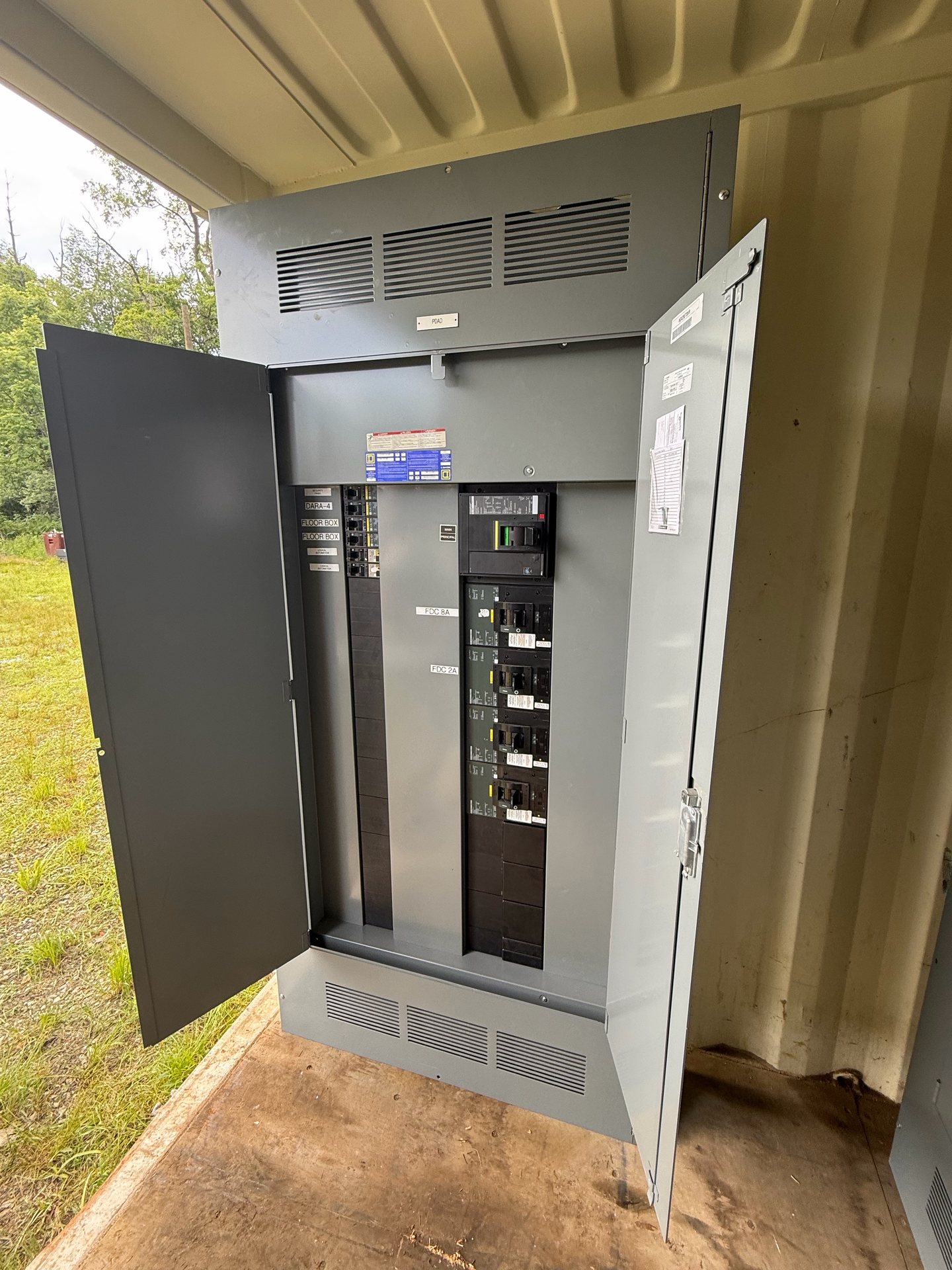
Start with the offered boundary, not the redundancy label
“A/B distribution” describes a system relationship, not a complete list of sale assets. In a hypothetical Florida data center, a seller might use that label for two paths while offering only selected switchgear sections, breakers, or related equipment from one path. The initial description should identify the specific equipment under consideration and avoid treating every item associated with either path as surplus.
If the available records do not show where the proposed boundary falls, say so rather than infer it from a room name or path designation. A description such as “distribution equipment, Path A, assets to be confirmed” is more accurate than claiming that all Path A equipment is released. Florida Switchgear Buyers reviews used, surplus, and decommissioned switchgear and related equipment across voltage classes; any offer and the precise assets purchased depend on review.
Separate offered equipment from retained systems
A section may be physically adjacent to equipment intended to remain, yet belong to a different path or serve a different documented role. Conversely, a section described as redundant may still be retained. Use existing equipment schedules, one-line diagrams, panel or lineup schedules, and accessible identification photographs where available to show which named assets are offered and which are excluded. If those records conflict, preserve the discrepancy for review instead of choosing one as correct.
This boundary matters because a broad phrase such as “surplus A/B gear” could unintentionally include both paths, shared distribution, or equipment the owner has not released. A more useful account distinguishes the offered lineup or identified sections from retained systems and marks uncertain inclusions as unknown. The seller does not need to test equipment or resolve technical conflicts; qualified professionals should handle electrical equipment and any work associated with purchased assets.
Capture identities at the section level
Path names alone may not distinguish the equipment in a buyer’s review. Where existing labels and records are accessible, include the lineup or equipment designation, section identifiers, room or area reference, and any associated schedule names. A photo of an existing nameplate or exterior label can help connect a record to a physical section, but missing, unreadable, or inconsistent identifiers should be reported as such rather than reconstructed from memory.
For example, if a schedule identifies two sections under one lineup name but the release covers only one, state which designation is offered and which remains, if that is known. If the distinction cannot be verified from available documentation, describe the candidate equipment without asserting a precise boundary. These details clarify what is being presented for consideration; they do not establish condition, compatibility, acceptance, or value.
Describe dependencies without promising continuity
Redundant arrangements can include dependencies that are not obvious from an equipment label: a shared section, a documented tie, or another component that appears in records as part of more than one path. The seller’s description should note known dependencies and identify the source document when possible. If the records do not establish whether a section is shared or independent, label that relationship unknown rather than presenting the equipment as an isolated, ready-to-release unit.
This information helps distinguish a proposed equipment purchase from decisions about keeping a facility operating. Florida Switchgear Buyers is a buyer of equipment, not a provider of continuity planning or general electrical services. Do not treat a potential purchase as advice about whether a path can remain in service or what must be retained. Operational questions and electrical work belong with the owner’s qualified professionals, not an assumption based on a sale description.
Use records and photos; leave technical work to professionals
Existing accessible documentation and photographs can provide a useful starting point: equipment lists, available drawings, prior asset records, and exterior identification images may help describe the proposed scope. Share what is already available and distinguish confirmed entries from copied, incomplete, or outdated information. No seller testing is necessary. Do not open, energize, isolate, disconnect, move, or otherwise handle equipment to gather information; qualified professionals should manage electrical equipment and related work.
A hypothetical Florida facility may have incomplete records after a change in ownership or a staged closure, but that possibility is not evidence of any particular equipment history. If a document does not establish a rating, configuration, condition, or relationship, leave the fact unconfirmed. A clear list of known items, exclusions, and open questions is more useful than filling gaps with estimates, especially when redundant paths make broad descriptions easy to misread.
Make the purchase scope explicit before release
A proposed sale can identify assets for review without implying that every listed item will be purchased. State whether the inquiry covers named sections only, related equipment as separately identified, or an unresolved group requiring document review. Also identify any known retained assets and dependencies. An offer and the precise assets purchased are contingent on review, so the written boundary should make room for exclusions or clarification rather than represent preliminary interest as acceptance.
Florida Switchgear Buyers makes cash offers and pays upfront for equipment it purchases; it handles crane, rigging, disconnects, loading, freight, and hauling for purchased equipment. Those arrangements concern purchased assets, not wholesale facility demolition or general decommissioning. For a review, contact (614) 715-3047 or saleselectricalbuyers@gmail.com and share existing accessible records or photos. Do not assume a purchase decision, payment details beyond upfront payment, or a schedule before the assets have been reviewed.