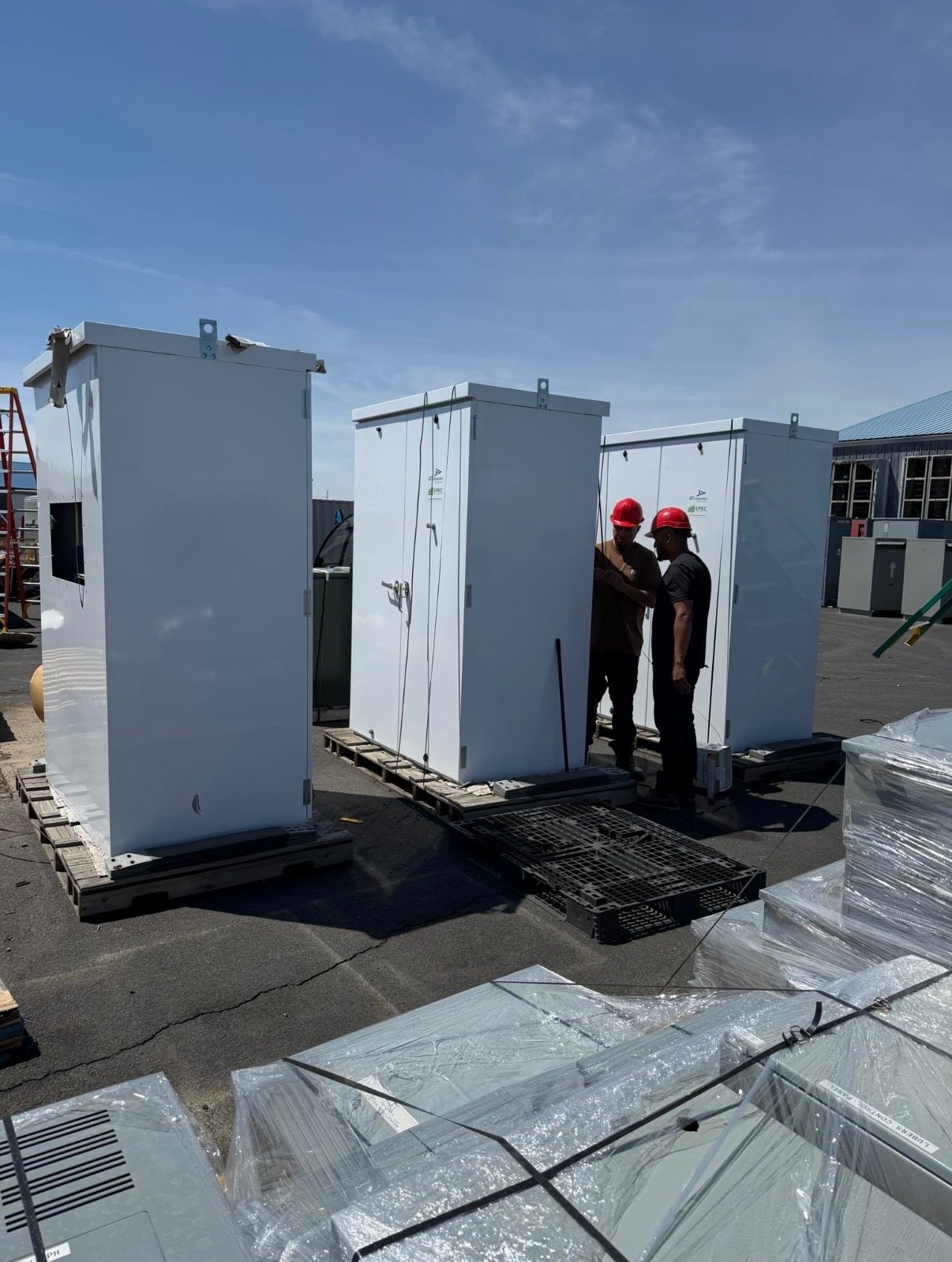
Define the lineup being offered
A data center asset list may identify “generator paralleling switchgear” as one line item, while the physical equipment comprises several sections, controls and accessories. Before requesting an offer, define the boundaries of the proposed sale from records already available: which lineup or sections are included, and whether any separately listed equipment is being offered with them. The goal is an accurate description, not a new technical inspection.
In a hypothetical Florida facility, one seller might offer a complete lineup while another might offer only identified sections retained after a wider equipment disposition. Those are materially different descriptions, even if both records use the same general equipment name. Do not infer that a particular section belongs to the offer simply because it appears on a related drawing or site inventory; identify uncertainty for review.
Reconcile section and control identities
Compare the asset list with accessible records such as existing schedules, drawings, photographs, or labels previously documented by qualified personnel. Section designations and control identities can help distinguish the offered equipment from adjacent electrical assets. If a record uses one identifier and another uses a different designation, preserve both references and note the discrepancy rather than silently treating them as interchangeable.
Control equipment may be documented separately from the power sections, or its identity may be unclear in the available paperwork. State what records explicitly associate with the lineup and what remains unknown. A seller need not open equipment or obtain new internal photographs to settle the question. Existing accessible information can support review; any inspection or electrical work belongs with qualified professionals.
Describe components without assuming configuration
A component schedule can clarify what the offer includes: for example, listed control components, protective devices, metering, or accessories, if records identify them as part of the equipment being offered. Distinguish included items from equipment merely located nearby or referenced in the same project file. Avoid presenting a component as present, complete, or functional unless the information available actually supports that description.
Paralleling equipment is associated with generators, but the equipment name alone does not establish generator count, arrangement, operating sequence, or the configuration at a particular facility. Do not derive those details from a generic diagram or a familiar system layout. If the record does not establish them, mark them unknown. This keeps the asset description useful without making technical claims the seller cannot substantiate.
Record ratings and spare breakers carefully
Transcribe nameplate information from existing records or accessible photographs where available, keeping the stated units, identifiers, and any section association intact. Ratings may differ across components or sections, so avoid collapsing several entries into one assumed lineup rating. When documentation is incomplete or a value is illegible, identify the gap rather than estimating it from another asset or from a general equipment description.
Spare breakers deserve their own reconciliation because an inventory may count them separately from installed devices. Record how many the available documentation lists, any existing identifying information, and whether the seller intends to include them. Do not assume a breaker is a spare, compatible, or part of the sale merely because it is stored with switchgear. Its inclusion and purchase remain subject to review.
Make the asset list useful for review
A concise submission can pair each offered section with its known identifier, documented control identity, available nameplate details, included components, and separately listed spares. Attach existing records or photographs when practical, and distinguish documented facts from seller estimates. If the lineup boundary, ownership record, or component association is unresolved, say so plainly; a clear unknown is more useful than a confident but unsupported entry.
Florida Switchgear Buyers considers used, surplus, and decommissioned switchgear and related equipment across all voltage classes, including equipment from decommissioned data centers. It makes cash offers for equipment it purchases and pays upfront for purchased equipment. No seller testing is required. An offer and the precise assets purchased depend on review, so submitting an asset list does not itself establish acceptance or purchase scope.
Separate equipment sale from site work
A possible purchase concerns the identified electrical equipment, not wholesale facility demolition or general electrical services. For equipment purchased, Florida Switchgear Buyers handles crane, rigging, disconnects, loading, freight, and hauling. The seller should not interpret that scope as permission to manipulate the lineup; only qualified professionals should handle electrical equipment, and sellers should not open, test, energize, isolate, disconnect, or move it.
When the records are ready, contact Florida Switchgear Buyers at (614) 715-3047 or saleselectricalbuyers@gmail.com. Share the lineup description and supporting information already available, including unresolved identities or ratings. Review can then address what equipment may be purchased. Do not arrange seller testing or hands-on preparation to improve the submission; missing facts can remain identified as unknown while the equipment is considered.