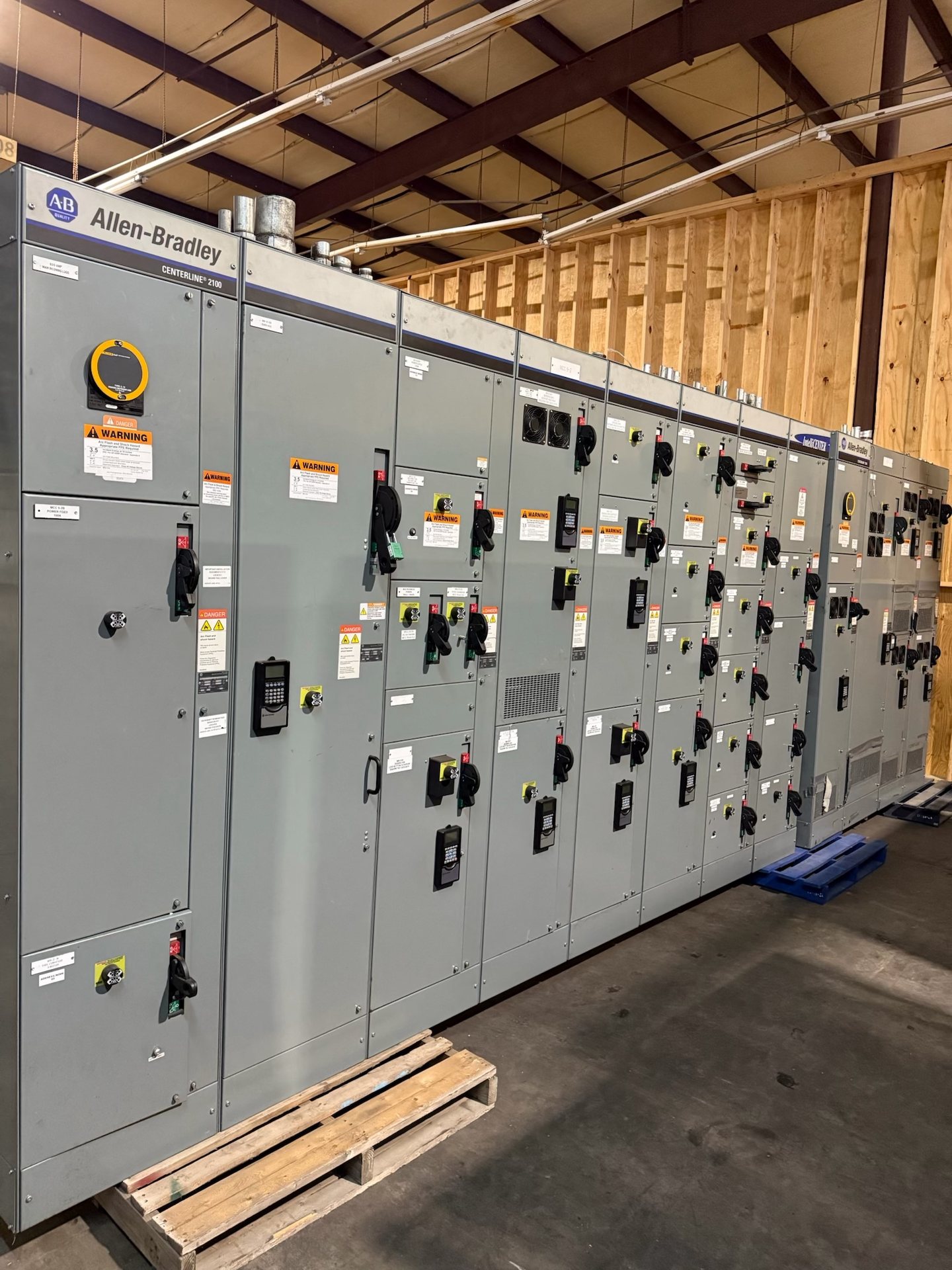
Separate the stored lot from installed equipment
A stored spare-breaker lot is a different inquiry from breakers still installed in switchgear. The inventory may consist of boxed replacements, loose units held in a maintenance area, or several groups accumulated for different lineups. For a hypothetical Florida facility, start by identifying which breakers are stored and being considered for sale; do not combine them with installed equipment merely because labels appear similar.
A simple inventory can report each visible catalog or model label, the quantity shown, and whether units appear boxed, wrapped, or unpackaged. If a label is incomplete or hard to read in an existing photograph, mark that detail unknown rather than reconstructing it. Clear separation of the stored lot helps reviewers assess the actual offer scope without assuming that every breaker at the facility is available.
Record identity without assuming a match
Breaker labels may include manufacturer, catalog number, frame or trip information, and other identifying text, but not every stored unit will have all details legible. Transcribe only what accessible labels or existing records show. If a box label differs from the marking visible in an existing image, note both observations and leave the relationship unresolved for review.
A spare may have been intended for a particular lineup, yet that intended use does not by itself verify compatibility with equipment still on site. Similar-looking labels can conceal differences, while an old parts list may refer to a past configuration. Share any known association as a historical note, not as confirmation that a breaker matches or can be installed.
Describe packaging and storage evidence
Packaging helps explain what information is available, but it is not proof of operating condition. An inventory might distinguish sealed cartons, opened cartons with visible contents, protective wrapping, and breakers stored without packaging. If packaging is damaged or labels are missing, describe that plainly. Avoid treating a closed box as evidence that its contents are complete, unused, or suitable for service.
Existing photographs can help show grouping, label visibility, and packaging without asking a seller to handle equipment for a better image. Share only material already accessible and safe to provide. Do not open cartons or move breakers to improve documentation. If the packaging prevents confirmation of the contents, record the contents as unknown; the review can then account for that limitation.
Keep operating condition explicitly unverified
Stored status does not establish whether a breaker operates, was previously installed, or has been tested. A prior maintenance note may be useful context, but it should not be presented as current verification unless its scope and date are clear. Florida Switchgear Buyers does not require sellers to test equipment, and an uncertain or undocumented condition can simply remain identified as unknown.
Do not energize, open, isolate, disconnect, move, or otherwise handle breakers to answer condition questions. Electrical equipment should be handled only by qualified professionals. For a stored lot, the practical distinction is between facts already recorded and checks that have not been made; reviewers can consider the available information without asking the seller to perform testing.
Include records while preserving uncertainty
Useful existing records may include a spare-parts register, prior purchase documentation, maintenance notes, or a lineup schedule. Their value depends on what they actually identify: a list may establish recorded quantities without proving that the physical count is current, and a schedule may show intended application without confirming a match. Share relevant files if available, and label missing, outdated, or conflicting details rather than filling gaps by inference.
Voltage class is another useful inventory field when it is recorded or visible on existing documentation. Florida Switchgear Buyers buys used, surplus, and decommissioned electrical switchgear and related equipment in all voltage classes, including equipment from decommissioned data centers. That scope does not establish that a particular breaker will be purchased; the offer and the precise assets included depend on review of the lot and its available information.
Clarify the purchase and removal scope
This inquiry concerns a possible purchase of stored electrical equipment, not a request for general facility demolition or a broad decommissioning service. For equipment purchased, Florida Switchgear Buyers handles crane, rigging, disconnects, loading, freight, and hauling. Work involving electrical equipment is handled by qualified personnel; sellers should not prepare breakers for removal or undertake electrical work themselves.
When the stored lot is ready for review, provide its available labels, quantities, packaging notes, and records, including any unknowns that affect identification. Florida Switchgear Buyers makes cash offers and pays upfront for equipment it purchases; neither acceptance nor price is assured before review, and no schedule is promised. For contact, call (614) 715-3047 or email saleselectricalbuyers@gmail.com.