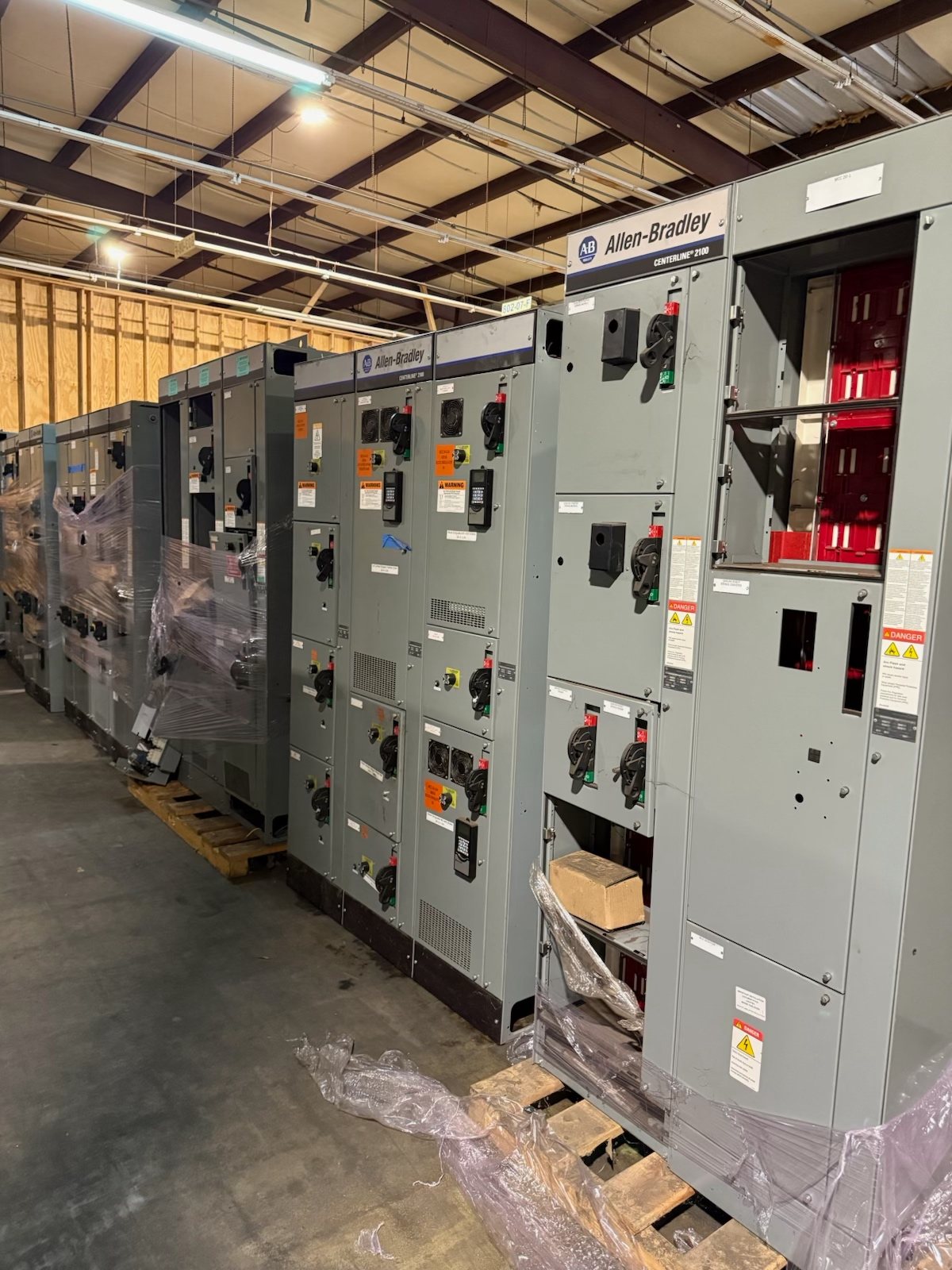
Start with the sale boundary, not the camera
For a hypothetical Florida data center, begin by defining which assets the organization is considering selling. An asset register may include switchgear across rooms, phases, or buildings, while the proposed sale may cover only selected lineups or components. Mark the intended scope in an internal copy of the list before collecting images. This keeps the review focused and helps prevent unrelated equipment from appearing to be offered.
The purpose is a purchase review of used, surplus, or decommissioned electrical equipment—not a request for facility demolition or general decommissioning work. Florida Switchgear Buyers considers equipment in all voltage classes, including equipment from decommissioned data centers, but any offer and the precise assets purchased depend on review. A seller should therefore describe the candidate assets accurately without implying that every item on a facility inventory is included.
Choose exterior views that establish identity
Authorized staff can select existing, safe exterior views that show an asset’s overall appearance and, where permitted, its relationship to nearby equipment. Images should be made only from locations and viewpoints allowed by facility procedures; no one should approach, open, energize, isolate, disconnect, or move equipment to improve a photograph. If a suitable image is unavailable under site rules, note that limitation rather than arranging access or handling for the sake of documentation.
A useful set may distinguish a lineup, a section, or a separate enclosure when those distinctions are visible from an approved viewpoint. Avoid framing unrelated cabinets, control screens, room plans, access credentials, network displays, or security devices. If cropping can remove incidental sensitive information without obscuring the equipment being reviewed, use a cropped copy and retain the original only in accordance with the facility’s own records and security policies.
Transcribe visible nameplate details carefully
When policy permits, an authorized person may transcribe information already visible on an exterior nameplate, such as the manufacturer, model or catalog identifier, serial number, and stated electrical ratings. Record the wording as shown rather than converting it into an assumed specification. If a field is obscured, unreadable, absent, or restricted from sharing, mark it unknown or withheld; do not open an enclosure or operate equipment to locate more information.
A transcription can be linked to a photo filename or an internal asset identifier, but the link should be clear enough that a reviewer can tell which equipment the text describes. Preserve distinctions among similar sections instead of copying one plate’s details across a whole lineup. If the register lists a model that differs from the visible plate, record both sources and flag the discrepancy for review rather than choosing one as correct.
Reconcile inventory claims with observable evidence
Compare each candidate asset’s register entry with what authorized staff can identify from existing records and permitted exterior views. The list may use a building tag, while a nameplate uses a manufacturer’s serial number; retain both identifiers and state how they are associated if that relationship is documented. Where no reliable cross-reference exists, say so. A mismatch is a question for review, not proof that the register or equipment is wrong.
Separate confirmed observations from inherited or unverified inventory fields. For example, a database may assign a voltage class or status that cannot be confirmed from an allowed photograph. Label that value as recorded in the asset list, not as independently verified. Likewise, do not infer completeness, condition, compatibility, or operating status from an exterior image. Seller testing is not required for a purchase review, and no testing should be arranged solely to fill a documentation gap.
Apply information-security controls before sharing
Facility rules determine who may approve images and transcriptions, which channels may carry them, and whether serial numbers or other identifiers can leave the organization. Follow those controls before preparing a package; do not assume that a business-purpose review overrides data-classification requirements. A designated reviewer can check each file for visible screens, labels, documents, or other details outside the proposed equipment scope and remove or withhold material that policy does not allow.
Keep the shared package limited to information needed to identify the offered assets, and do not include passwords, access instructions, network diagrams, personal information, or unrelated operational records. Use a naming convention that avoids sensitive room or system descriptions when those are restricted. If a required field cannot be shared, identify it as withheld under facility policy; if it is simply unavailable, label it unknown so the recipient does not mistake omission for confirmation.
Present a review-ready, qualified equipment inquiry
A concise package can pair the proposed asset list with permitted exterior photographs, nameplate transcriptions, and a short note explaining unknowns, discrepancies, and any restrictions on the material. State which items are being offered for review and which nearby assets are excluded. Florida Switchgear Buyers makes cash offers and pays upfront for equipment purchased; the offer and exact purchased assets remain contingent on review, so documentation should not imply acceptance, a price, or a schedule.
Florida Switchgear Buyers does not require sellers to test equipment. For assets it purchases, it handles crane, rigging, disconnects, loading, freight, and hauling; only qualified professionals should handle electrical equipment. These arrangements concern purchased equipment, not wholesale facility demolition or general electrical services. To discuss a documented candidate list, contact (614) 715-3047 or saleselectricalbuyers@gmail.com. Share only material authorized by the facility, and leave unavailable facts explicitly unknown.