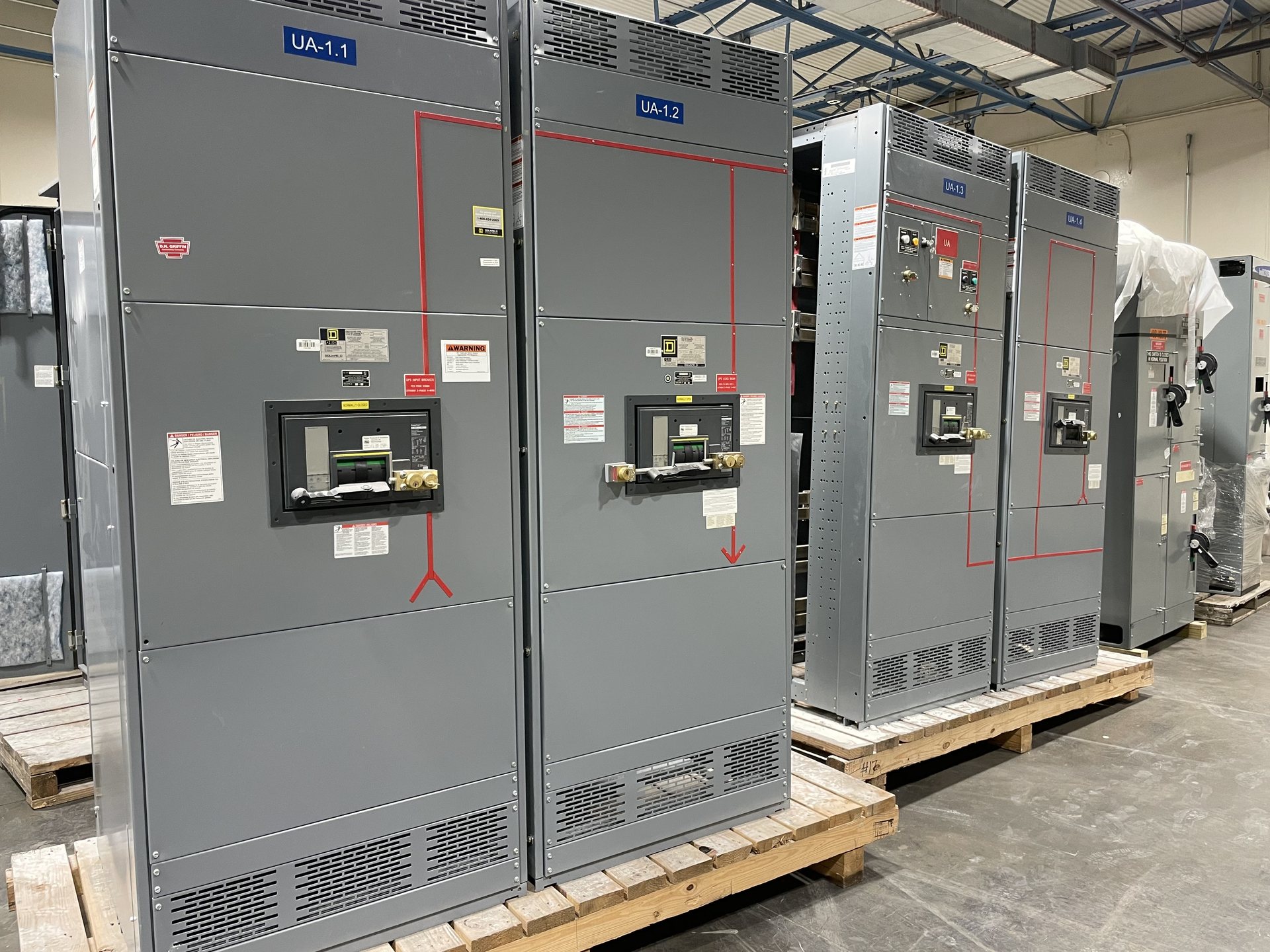
Treat 208 volts as an identification clue
A motor control center identified as 208 volts can be described that way when the rating appears on a nameplate or is reported in existing records. That label gives a useful starting point for a buyer’s review, but it does not establish the present system voltage, operating condition, compatibility, market value, or whether the equipment will be purchased. Keep the distinction clear when passing information between the person familiar with the equipment and the person arranging a sale.
If the rating comes from memory rather than a legible marking or record, identify it as reported rather than verified. If a document and a visible label disagree, share both and say that they conflict; do not choose one as correct. Missing or unreadable information can simply remain unknown. A careful account preserves the facts available without asking a seller to test or otherwise handle electrical equipment.
Separate lineup identity from bucket details
Describe whether the proposed sale concerns a complete lineup, a portion of one, or particular buckets only, to the extent that this is already known and can be reported safely. A lineup-level 208-volt description should not silently become a claim that every installed component has the same rating. Individual bucket labels may provide separate identifiers, and a bucket’s identification should stay associated with that specific item in the information sent for review.
For example, if an existing inventory calls the lineup 208 volts but lists no bucket ratings, report the inventory wording and note that bucket-level details are unavailable. If accessible photographs show several different labels, identify which image corresponds to which visible item only when that connection is clear. Do not infer interchangeability from similar appearances or assume that a component belongs with the lineup merely because it is nearby.
Give the decision maker a usable record
The person coordinating a sale may not be the person who knows the equipment history. A concise handoff can identify the source of each detail: a nameplate, an existing schedule, an inventory, a photograph, or someone’s recollection. This lets the decision maker distinguish documented information from a reported description before requesting a buyer review. Where the source is uncertain, say so instead of presenting an estimate as a confirmed specification.
Existing, accessible documentation and photographs may be shared; the seller does not need to create new technical records or perform tests. Useful material may include overall views, visible labels, and available lineup or bucket schedules, provided those items can be obtained without opening, moving, energizing, disconnecting, or otherwise handling equipment. If a photograph does not show a rating clearly, describe it as unclear rather than transcribing a guess.
Resolve conflicts without doing electrical work
Conflicting records are worth disclosing because they affect how a buyer understands the proposed assets. A drawing might use one voltage description while an inventory or visible label uses another. Send the conflicting versions together, explain which source supplied each, and leave resolution to qualified professionals and the buyer’s review. The seller should not energize equipment, inspect internal parts, or attempt a field check to make the documents agree.
The same care applies when a document appears to describe a whole lineup but a label is attached to one bucket. State the scope the record itself claims, then separately report what the individual marking says. If the relationship between them is not known, mark it as unknown. This avoids turning a narrow label into a statement about the full assembly and gives the buyer a more accurate basis for evaluating the specific equipment.
Understand what the rating cannot establish
A 208-volt marking is an identifier, not a condition report. It does not show whether the equipment is complete, usable, damaged, suitable for a particular application, or compatible with another system. Nor does a matching voltage description establish that separate buckets can be exchanged. Those questions depend on review of the specific assets; a seller’s label, memory, or photograph should not be treated as a purchase decision or technical determination.
Florida Switchgear Buyers considers used, surplus, and decommissioned switchgear and related equipment across voltage classes, including equipment from decommissioned data centers and closed power plants. Sellers do not need to test equipment. Any offer and the precise assets considered for purchase depend on review, so provide the best available description while keeping unknown condition, history, and component details plainly identified as unknown.
Plan the sale handoff and removal scope
When contacting Florida Switchgear Buyers, share the available lineup and bucket information, note any disagreement among labels or records, and identify which details are reported rather than documented. For questions or to submit information, call (614) 715-3047 or email saleselectricalbuyers@gmail.com. The company makes cash offers and pays upfront for equipment it purchases; neither the offer nor the purchase scope should be assumed before review.
For equipment purchased, Florida Switchgear Buyers handles crane, rigging, disconnects, loading, freight, and hauling. That removal arrangement applies to purchased assets; it is not a promise to demolish a facility or provide general electrical services. Sellers should not disconnect or move equipment themselves. Any electrical work or handling must be left to qualified professionals, while the seller’s role can remain focused on sharing accessible information and identifying what is known.