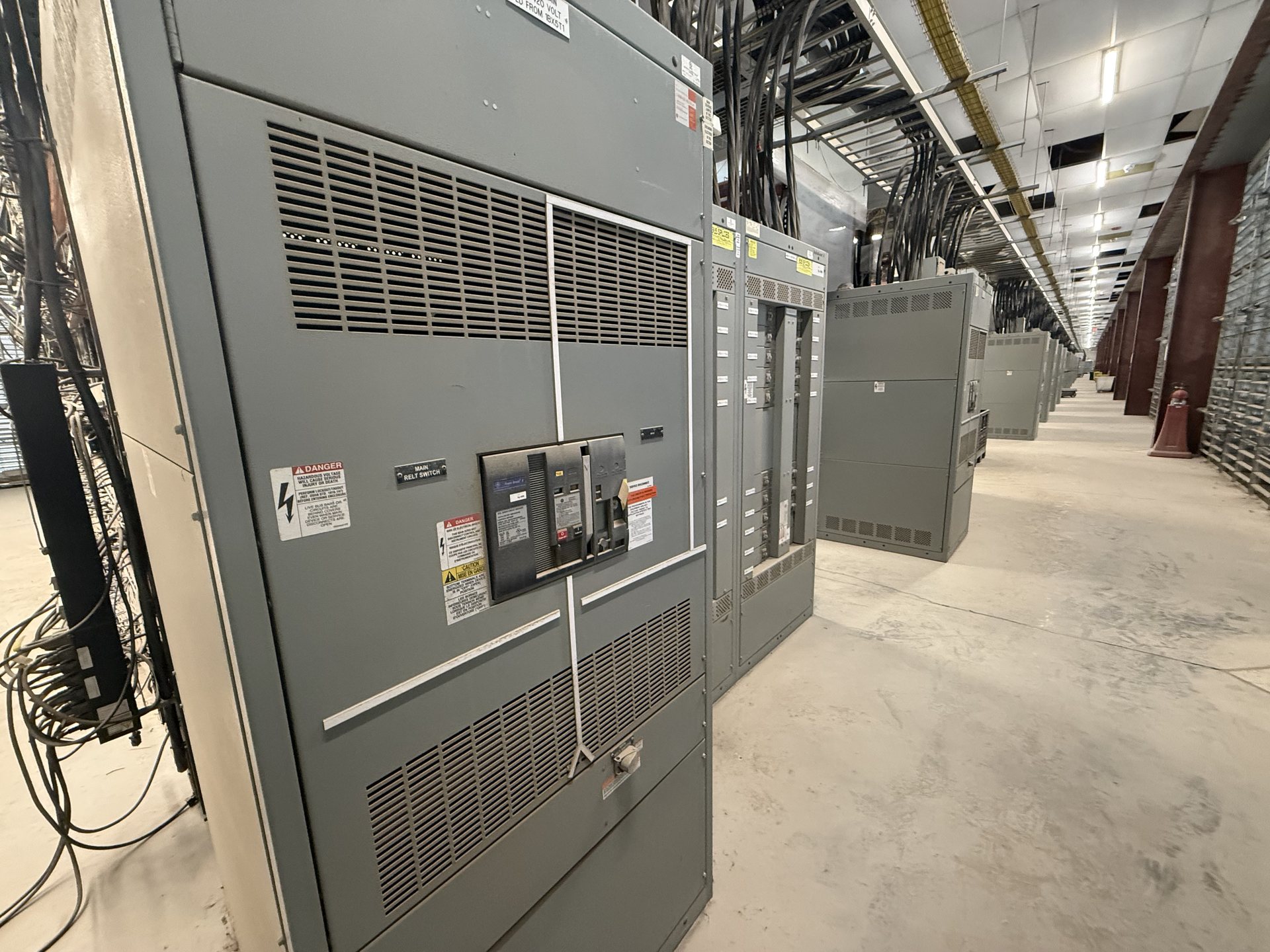
Start with the reported rating, not an assumed specification
A 1,200-amp rating is a useful identifier for a motor control center (MCC), but it does not establish the condition of the lineup or every detail a buyer needs. Record it as reported unless accessible nameplate information confirms it. Keep the rating separate from questions about voltage, configuration, operation, or value; none should be inferred from amperage alone.
The person assembling the information may not be the decision maker, and neither may be the person speaking with a buyer. A concise handoff should distinguish what is visible in existing records, what someone has reported, and what remains unknown. This prevents a preliminary description from becoming an unsupported claim as it passes between facility representatives.
Describe the incoming section and lineup boundaries
Identify the incoming section by its position or an existing equipment label, and share a clear description of what is included in the reported MCC lineup. If accessible photos or drawings show section order, they can help the buyer understand the assembly. Do not open doors or approach equipment to create new documentation; qualified professionals alone should handle electrical equipment.
Where the lineup boundary is uncertain, say so rather than grouping adjacent gear into the sale by assumption. A seller might report that a particular cabinet is part of the MCC while noting that a nearby enclosure has not been confirmed. The buyer can then review the described assets and clarify which specific equipment may be included in an offer.
Account for outgoing units without guessing their use
For outgoing units, provide an existing schedule or a written count if one is available, and identify the source of that information. Labels or unit descriptions may help distinguish sections, but they do not establish present condition or prove that a unit is complete. If the count is uncertain, report the known portion and mark the remainder unknown.
Avoid translating a motor or process label into an assurance about compatibility or suitability. For example, a schedule may identify a unit by its former load, while current application and electrical characteristics remain unverified. Florida Switchgear Buyers reviews the particular equipment offered; the seller does not need to test it or establish that it will work elsewhere.
Keep nameplate details distinct from conclusions
If existing, accessible nameplate photos or records are available, share the legible information and identify the section or unit each image represents. A model designation, manufacturer name, or reported rating can assist identification, but it is not proof of condition, interchangeability, actual system voltage, market value, or acceptance. Leave unreadable or unavailable fields explicitly unknown.
Use careful wording when records conflict. One document might list a rating while a separate label appears to describe a different component; pass both observations along without choosing which is correct. Brand names may be included solely to identify equipment. They should not be presented as evidence of a business relationship, endorsement, or verified operating history.
Separate stored spare buckets from installed equipment
Spare buckets stored apart from the lineup need their own description and count, if known. Note that they are separately stored, and identify any accessible labels or records that connect them to the MCC. Physical proximity, a matching label, or a prior inventory entry alone does not prove interchangeability or establish that a bucket belongs in a particular section.
State plainly whether the separately stored buckets are being offered with the MCC, offered as a distinct group, or not included. If the decision has not been made, mark that point pending rather than implying they are part of the sale. This distinction helps the decision maker compare the buyer’s reviewed scope with the assets the seller intends to release.
Confirm scope and plan the equipment handoff
Once the information is assembled, the decision maker can share existing documentation and photos, explain known gaps, and identify who can confirm the assets offered. Florida Switchgear Buyers buys used, surplus, and decommissioned switchgear and related equipment in all voltage classes, including equipment from decommissioned data centers and closed power plants. Any offer and the precise assets purchased depend on review.
The company makes cash offers and pays upfront for equipment it purchases. For purchased assets, it handles crane, rigging, disconnects, loading, freight, and hauling; this is not a promise of wholesale facility demolition or general electrical services. Sellers must not test, energize, isolate, disconnect, move, or otherwise handle the MCC. To discuss the reported lineup, contact (614) 715-3047 or saleselectricalbuyers@gmail.com.