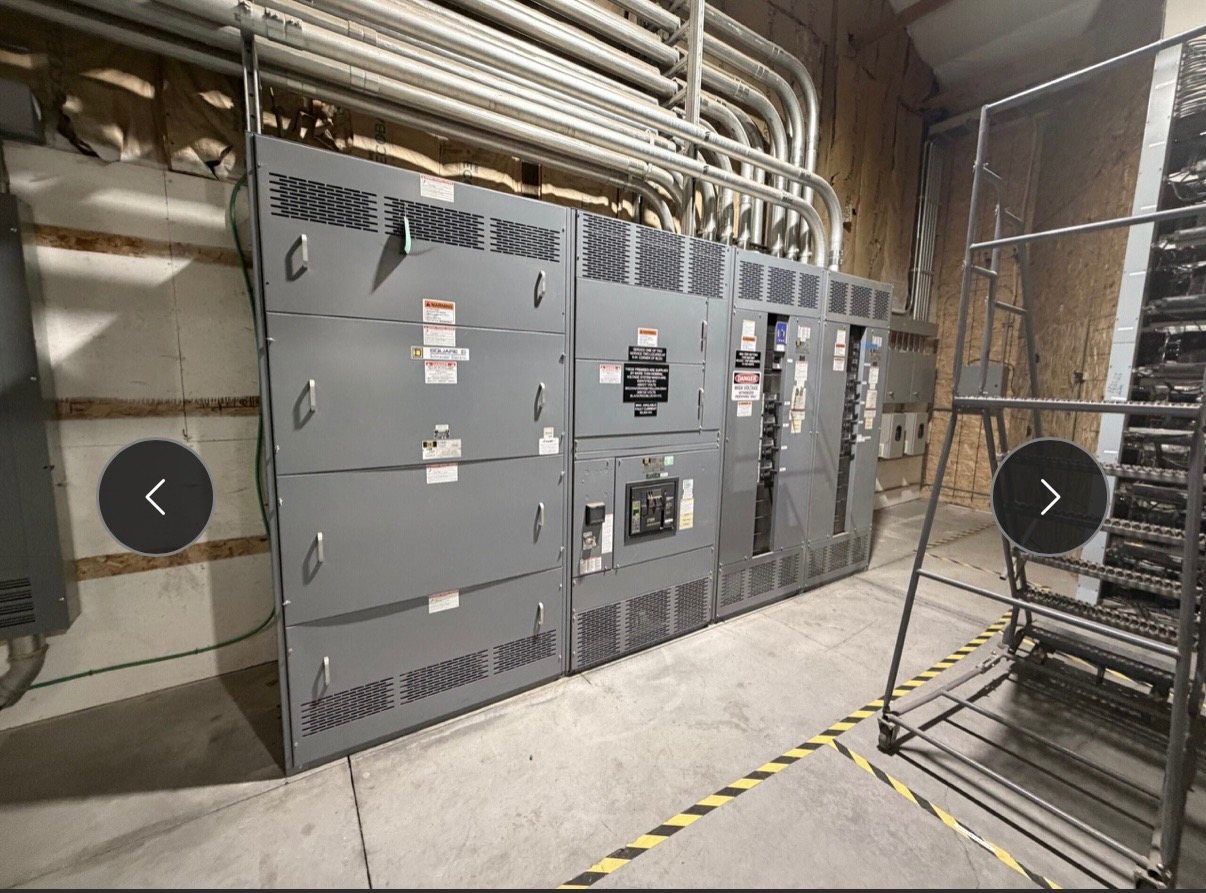
Treat the 2,000-Amp Rating as a Starting Identifier
A reported 2,000-amp rating gives the buyer a useful first identifier, but it is not a complete description of a motor control center (MCC). In the seller’s records, distinguish what appears on an accessible nameplate from what someone recalls or has entered in an inventory. If the rating is unverified, label it reported. Do not infer actual system voltage, present condition, compatibility, value, or acceptance from that figure.
The same distinction helps each person in the handoff. A facility contact may provide an inventory, a decision maker may confirm what is available for sale, and the buyer reviews the specific equipment. Keep those statements attributed rather than combining them into a single assumption. If voltage, manufacturer, lineup configuration, or condition is unknown, say so; an unknown is more useful than a confident but unsupported entry.
Describe Sections and Units Without Guessing at Scope
For a multi-section lineup, record the section labels as they are shown in existing, accessible documentation or photographs. Preserve numbering, wording, and any distinctions between sections instead of renaming them to make the inventory look uniform. A drawing might identify sections differently from a handwritten list; note the discrepancy for review rather than deciding which record is authoritative without confirmation.
Separate section count from unit count. A seller may have a count of sections but not a reliable tally of the individual units associated with them, or records may use “unit” in a way that needs clarification. State which count is documented, which is estimated, and which remains unknown. These distinctions help the buyer assess the proposed lot without implying that each listed item is included or acceptable.
Make Access Information Specific and Safe
Access details can shape the buyer’s review and removal planning, so describe what is already known without asking anyone to inspect or handle electrical equipment. Existing notes or photographs may show the equipment’s general placement, visible route constraints, or an access limitation. Identify the source and date when practical. If a door, corridor, or loading route has not been confirmed, mark it unknown rather than presenting an assumption as a site fact.
Sellers should not open, test, energize, isolate, disconnect, move, or otherwise handle the MCC to improve a submission. Only qualified professionals should handle electrical equipment. No seller testing is necessary. Florida Switchgear Buyers handles crane, rigging, disconnects, loading, freight, and hauling for equipment it purchases; that does not make the transaction a promise to remove every item at a facility or perform general demolition.
Separate the Sale Decision from Release Timing
A reported 2,000-amp MCC may be identified before it is ready for release. Keep the expected decision date, authorization status, and possible release timing as separate fields, and label each as confirmed, tentative, or unknown. A seller can then explain whether timing depends on an internal approval, a project milestone, or another unresolved matter without suggesting that a pickup schedule has been agreed.
The person supplying equipment information may not be the person authorized to approve a sale or release. Make that handoff explicit: identify who can clarify inventory, who can confirm authority, and what remains pending, without assuming ownership or decision rights. The buyer’s review and any offer are contingent on the specific equipment and available information; an uncertain date should not be converted into a commitment by either side.
Confirm Whether the Lot Is Complete
A list that names an MCC does not necessarily establish that the proposed lot includes every associated section or item. Ask the responsible decision maker to describe the intended sale boundary using existing records: for example, whether the offer request covers a whole lineup or only identified sections. If attachments, loose components, or related equipment are mentioned, record them separately and mark inclusion as unconfirmed until clarified.
Completeness matters when records use different counting methods or omit items. If one document names several sections while another refers to a single MCC, preserve both descriptions and ask which scope is being offered. Do not assume the count proves a complete lineup, that components are interchangeable, or that unlisted items are included. The buyer reviews the specific assets proposed, and the precise equipment purchased depends on that review.
Send a Clear Record for Buyer Review
A concise handoff can bring together the reported rating, section labels, known unit counts, access information, lot boundary, and release timing, with each entry marked confirmed, reported, estimated, or unknown. Existing accessible documentation and photographs can help explain the record; there is no need to create new evidence by testing or handling equipment. Avoid adding inferred voltage, condition, or value where the source does not establish it.
Florida Switchgear Buyers purchases used, surplus, and decommissioned electrical switchgear and related equipment in all voltage classes, including equipment from decommissioned data centers and closed power plants. It makes cash offers and pays upfront for equipment purchased. To submit the available information for review, contact (614) 715-3047 or saleselectricalbuyers@gmail.com. An inquiry is not confirmation of acceptance, price, or schedule.