Separate system notation from the equipment rating
A reference to a 120/208-volt system may describe the voltage associated with a building or distribution arrangement, while the switchboard’s own nameplate states its marked equipment rating. Those details can be related, but they are not interchangeable. When asking about a surplus board, report each as it appears in existing records rather than turning a system description into a claimed switchboard specification.
For example, a facility record might identify a 120/208-volt service while an accessible nameplate shows different or additional rating information. Preserve both descriptions and identify where each came from. If the nameplate cannot be read in an existing photograph, mark its rating unknown instead of estimating it from the building’s records, nearby equipment, or a remembered configuration.
Record identifying details without drawing wiring conclusions
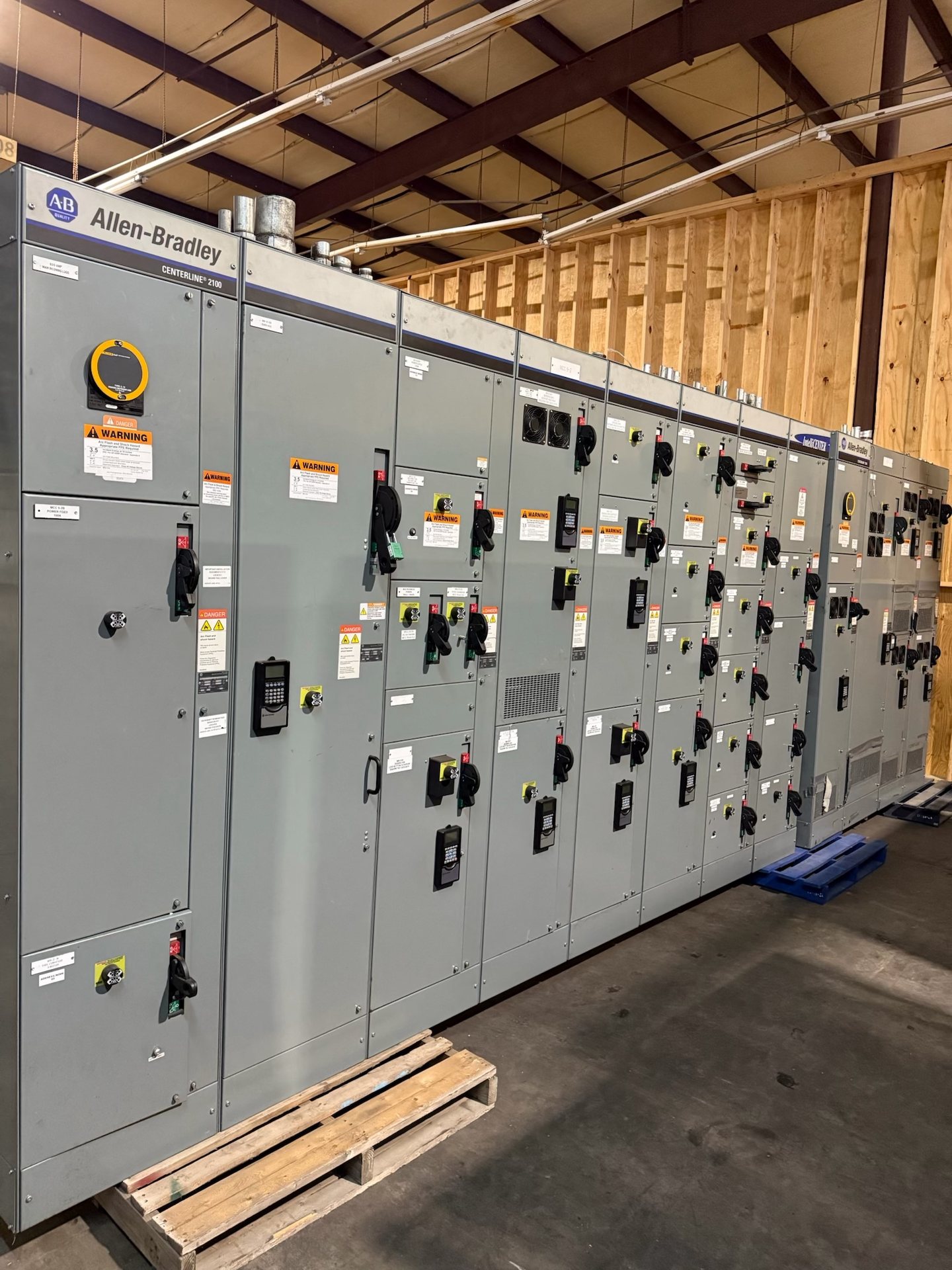
Photographs already available may show the nameplate, overall front, section labels, and visible identifying marks. Share those images as they are; the seller does not need to open compartments, take new close-ups, test the board, or handle electrical equipment. If a detail is not visible from existing material, say so. A clear unknown is more useful than a guessed answer presented as fact.
Do not infer a wiring arrangement from “120/208” notation, a panel schedule, or the appearance of a switchboard. If existing documents explicitly record phase, pass along that wording and identify it as recorded information. If phase is absent or uncertain, leave it unknown. Only qualified professionals should handle electrical equipment, and no seller testing is necessary for a purchase inquiry.
Describe sections and schedules as documented
A switchboard may be identified in records as one section or as multiple sections. When that information is available, note the section count and any labels or designations shown in existing documents or photographs. Do not dismantle covers or inspect inaccessible areas to establish a count. If records conflict, provide both descriptions and explain which document or image contains each one.
Existing panel schedules can help distinguish a particular board from other equipment, especially when a site has several similar assemblies. Share schedules already on hand, including their stated labels, without treating them as proof that every listed circuit remains present or corresponds to current conditions. A schedule may be old, incomplete, or associated with another section; flag uncertainty rather than silently reconciling it.
Explain the board’s status and history carefully
State whether the equipment is described as used, surplus, or decommissioned, and give any known context that helps identify it. A board from a closed power plant or a decommissioned data center is within the kinds of equipment Florida Switchgear Buyers considers, but that context alone does not establish condition, completeness, or purchase acceptance. Avoid presenting an assumed history as confirmed if records are unavailable.
If the equipment remains installed, is already disconnected, or is stored, report only the status known from existing records or responsible site personnel. Do not attempt to verify it by approaching, opening, isolating, or moving the switchboard. Keep the inquiry focused on the specific equipment offered; buying and removal of purchased assets are distinct from wholesale facility demolition or general electrical work.
Understand what a rating can—and cannot—establish
The 120/208-volt notation and any marked rating are useful identifiers for review, not guarantees of operating condition, compatibility, interchangeability, or market value. A similar-looking board with the same reported voltage may differ in sections, documented phase, configuration, or other marked details. The buyer reviews the particular equipment and available information; a label by itself does not establish an offer or acceptance.
Florida Switchgear Buyers purchases used, surplus, and decommissioned electrical switchgear and related equipment across all voltage classes, including equipment from decommissioned data centers and closed power plants. It makes cash offers and pays upfront for equipment purchased. The precise assets included and any offer depend on review, so avoid treating a general equipment description as confirmation that a specific board or every associated component will be purchased.
Share available records and plan around purchased assets
An inquiry can include existing nameplate and overview photos, reported system notation, recorded phase if available, section information, panel schedules, and any known status. State plainly which facts come from records and which remain unknown. No seller testing is required. For questions or to submit information, contact Florida Switchgear Buyers at (614) 715-3047 or saleselectricalbuyers@gmail.com.
For equipment purchased, Florida Switchgear Buyers handles crane, rigging, disconnects, loading, freight, and hauling. That scope concerns purchased equipment, not a promise to remove every item at a site or perform general electrical services. Sellers should leave electrical work and equipment handling to qualified professionals; the purchase review, rather than a seller’s test or unsupported voltage assumption, determines the specific assets considered.