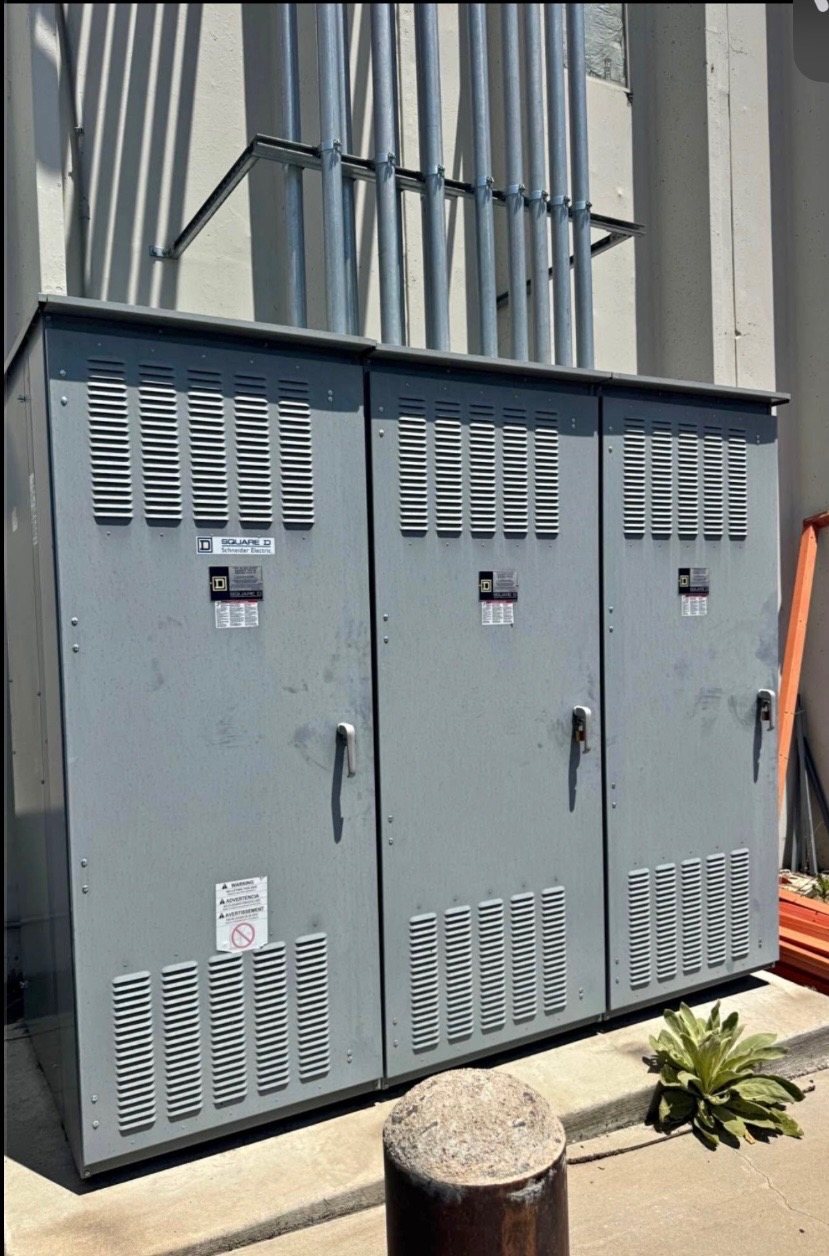
Describe the lineup rating separately from its buckets
A seller may identify a motor control center lineup as 600 amp based on a nameplate, project record, or prior inventory description. That label is useful for identifying the equipment, but it does not establish the condition of the lineup or prove that every bucket has a 600-amp rating. Keep the reported lineup rating distinct from ratings shown on individual units.
When records are available, describe the lineup and its sections as separate items of information. A lineup-level rating, a section label, and a bucket rating may refer to different parts of the assembly. If the basis for “600A” is not known, say that it is a reported rating and share an accessible photograph or document rather than treating the figure as a verified specification.
Build an inventory around bucket identities and quantities
Bucket identities can make a surplus inventory more useful than a single count of the lineup. Existing schedules, labels, or asset records may identify bucket numbers, quantities, or positions. Share those details as recorded, and distinguish a documented identity from a description added later. If only some buckets can be identified, note which ones are documented and which remain unknown.
Quantity should be reported in a way that keeps the assembly relationship clear. For example, an inventory might describe one reported lineup with a stated number of separately identified buckets, while noting that the count has not been reconciled to an accessible schedule. Do not assume that loose or separately stored units belong to the lineup unless existing records support that connection.
Capture starter information without inferring compatibility
Starter descriptions may help reviewers understand what is represented in the inventory. If accessible labels or records state a starter type, quantity, or other identifying detail, share that information with its source where known. An absent label or incomplete schedule is not a reason to guess. Mark the starter information as unknown when it cannot be established from records already available to the seller.
A bucket’s identity or reported rating does not, by itself, establish interchangeability with another position or lineup. Nor does the lineup’s 600-amp description prove the system voltage or the suitability of any component for a particular installation. Keep those questions separate from inventory description; the buyer reviews the specific equipment, and no seller testing is necessary to begin that review.
Report known condition and leave unknowns open
A useful condition note separates direct observations in existing records from assumptions about performance. If a record already describes visible damage, missing parts, storage exposure, or a prior status, pass it along with context. If condition has not been assessed or documentation is silent, say so. A rating or nameplate is an identifier, not evidence that equipment operates or is ready for reuse.
There is no need for a seller to test, energize, open, isolate, disconnect, or move the MCC to answer inventory questions. Electrical equipment should be handled only by qualified professionals. Existing, accessible photos and documentation may be shared; do not create new access or inspection evidence by handling equipment. If a detail cannot be confirmed safely from what is already available, record it as unknown.
Match the records to the assets under review
A review is clearer when the seller can connect the reported lineup rating, bucket identities, quantities, starter information, and condition notes to the same inventory. Existing photographs, schedules, or nameplate records can help distinguish a lineup from separately listed components. If documents conflict, preserve the discrepancy rather than choosing one version. Missing voltage, model, or condition details should remain unknown until supported by available information.
Florida Switchgear Buyers considers used, surplus, and decommissioned switchgear and related equipment in all voltage classes, including equipment from decommissioned data centers and closed power plants. A reported 600A MCC may be part of a larger surplus inventory or a standalone asset; the offer and precise assets purchased depend on review. Identification alone does not establish acceptance, value, condition, or compatibility.
Clarify purchase scope and removal responsibilities
For equipment it purchases, Florida Switchgear Buyers makes cash offers, pays upfront for purchased equipment, and handles crane, rigging, disconnects, loading, freight, and hauling for those purchased assets. These arrangements concern the equipment included in the purchase, not wholesale facility demolition or general electrical services. The seller can describe the proposed inventory without assuming that every listed component will be included in a final purchase.
To discuss a reported 600-amp lineup or related buckets, contact Florida Switchgear Buyers at (614) 715-3047 or saleselectricalbuyers@gmail.com. Sharing existing records can help identify what is being considered; unknowns may be stated plainly rather than filled with estimates. Any offer and the exact assets purchased remain subject to review, and no seller testing or electrical handling is required.