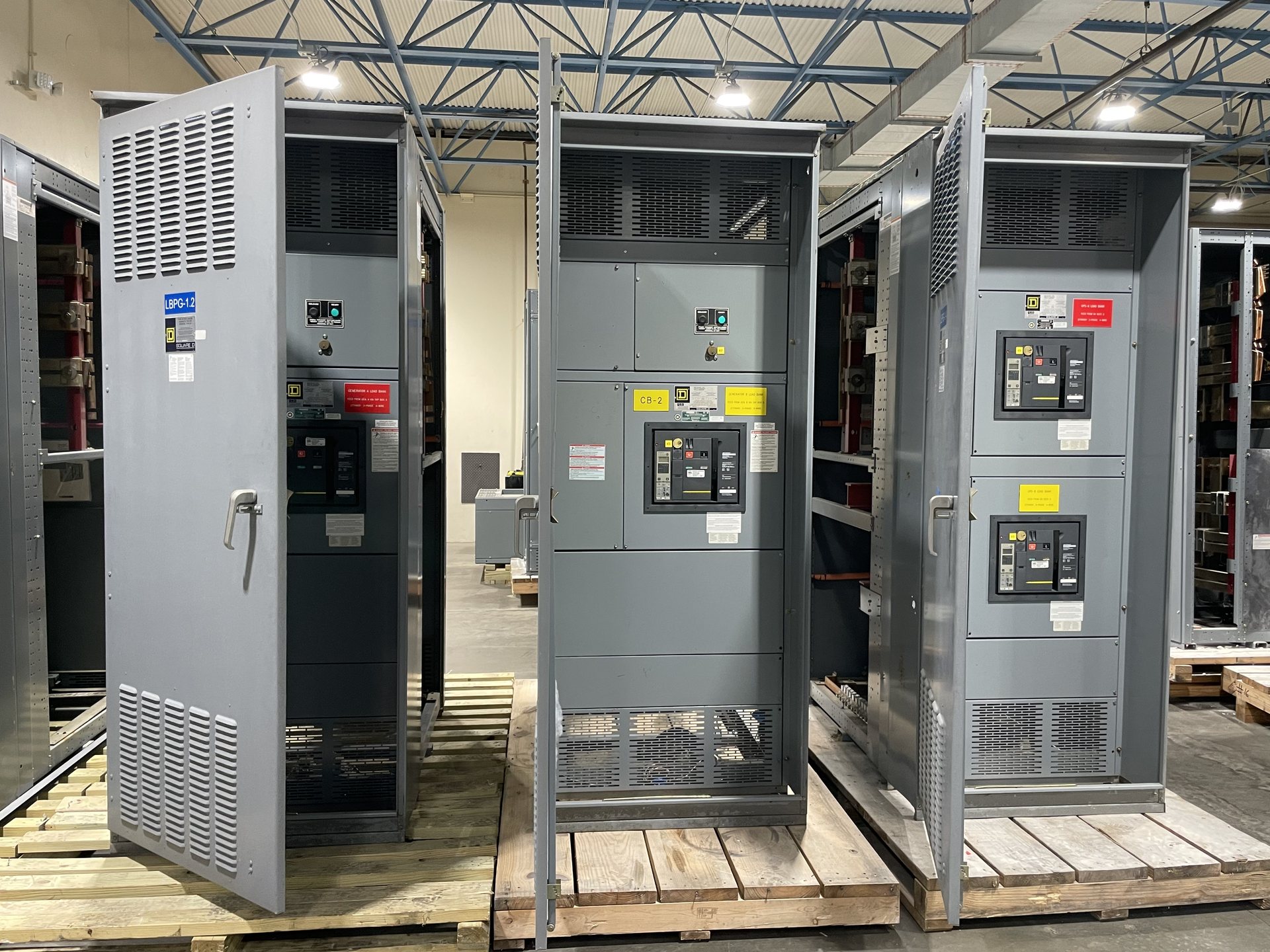
Treat 480 volts as an identifier, not a verdict
A motor control center described as 480 volt should be presented as marked or reported, rather than as proof of the electrical conditions at its former installation. Record the rating exactly as it appears on accessible documentation or visible identification, and distinguish a transcribed nameplate value from information supplied by someone familiar with the lineup. If the source is uncertain, say so; a buyer can review what is known without treating an assumption as a confirmed specification.
That distinction matters because a rating alone does not establish present condition, the voltage of a connected system, compatibility with another lineup, market value, or whether any particular equipment will be purchased. For example, a drawing may describe a lineup as 480V while a photograph shows only partial identification. Keep those records together but label their sources separately. Florida Switchgear Buyers reviews specific equipment and makes any offer contingent on that review.
Record lineup and unit markings separately
Document the lineup identification and each accessible unit or bucket marking as separate information. A lineup nameplate may identify the assembly, while individual buckets can carry their own labels, catalog references, or other markings. Do not assume the lineup rating applies as a complete description of every installed unit. A simple record can note the exact wording, where it appears, and whether it came from a photograph, inventory, or existing document.
If a marking is obscured, absent, or difficult to read in material already available, record it as illegible or unknown instead of filling the gap from a similar-looking unit. Photos may help a reviewer compare visible labels, but should not be created by opening covers or approaching equipment unsafely. Sellers do not need to test equipment or handle it electrically. Only qualified professionals should perform any work involving electrical equipment.
Make bucket positions legible, including gaps
A bucket-by-bucket position record can prevent a short description from implying that every position is populated or identified. Note positions using an existing drawing, inventory, or safely obtained photographs, and describe each as identified, visibly empty, or unknown only when the available material supports that description. If a position is absent from a record, that means its status is unknown—not that the bucket is missing or that the position is spare.
For example, an old schedule might list positions one through six while a current inventory names only four units. Preserve both facts and flag the unmatched positions for review rather than reconciling them by guesswork. If no reliable position map exists, state that plainly. The buyer can assess the specific lineup and available information; a seller is not expected to inspect internal compartments, verify operation, or establish what is behind a closed cover.
List spares without blending them into installed equipment
Record spare buckets and related components as a separate group from equipment identified as installed in the lineup. Include only descriptions supported by existing labels, inventory, or photographs, and make clear whether the count is documented, reported, or uncertain. A spare with a visible marking is not automatically interchangeable with an installed bucket, even when the descriptions appear similar. Avoid describing a component as compatible unless that conclusion is already established by reliable records.
If the proposed sale includes loose spares, note where the existing inventory places them and whether their association with this lineup is confirmed or merely reported. If records do not distinguish included components from unrelated stored items, identify that uncertainty before review. Florida Switchgear Buyers buys used, surplus, and decommissioned switchgear and related equipment in all voltage classes, but the precise assets purchased depend on review; listing an item does not establish acceptance.
Build a useful record from what already exists
A practical inquiry can combine the lineup’s reported or marked voltage, visible assembly identification, separate unit markings, known bucket positions, and a distinct spares record. Keep each entry tied to its source. For instance, “480V per existing schedule” conveys something different from “480 V visible on nameplate.” Dates, prior service history, and operating condition should remain unknown when no documentation supports them; do not infer condition from a rating or from appearance in a photograph.
Share accessible documents and photographs that are already available, along with a short note identifying missing or conflicting information. There is no need to produce test results, open equipment, or resolve discrepancies through electrical work. If a facility is being decommissioned, distinguish the MCC and related assets offered for purchase from the wider site scope. Purchasing and removal apply to equipment purchased, not to wholesale facility demolition or general electrical services.
Set expectations for review and removal
After reviewing the described assets and available records, Florida Switchgear Buyers may make a cash offer for equipment it elects to purchase. Sellers do not need to test the MCC. For purchased equipment, the company pays upfront and handles crane, rigging, disconnects, loading, freight, and hauling. These arrangements concern purchased assets; they do not establish that every listed bucket, spare, or component will be included in an offer.
For a review of a marked or reported 480-volt lineup, contact Florida Switchgear Buyers at (614) 715-3047 or saleselectricalbuyers@gmail.com. Include the known lineup identification and explain which unit markings, positions, or spares remain undocumented, rather than presenting unknowns as settled facts. Any offer and the precise equipment purchased are contingent on review. Do not disconnect, move, energize, isolate, or otherwise handle the equipment; electrical work belongs only to qualified professionals.