Scope the equipment as identifiable sale assets
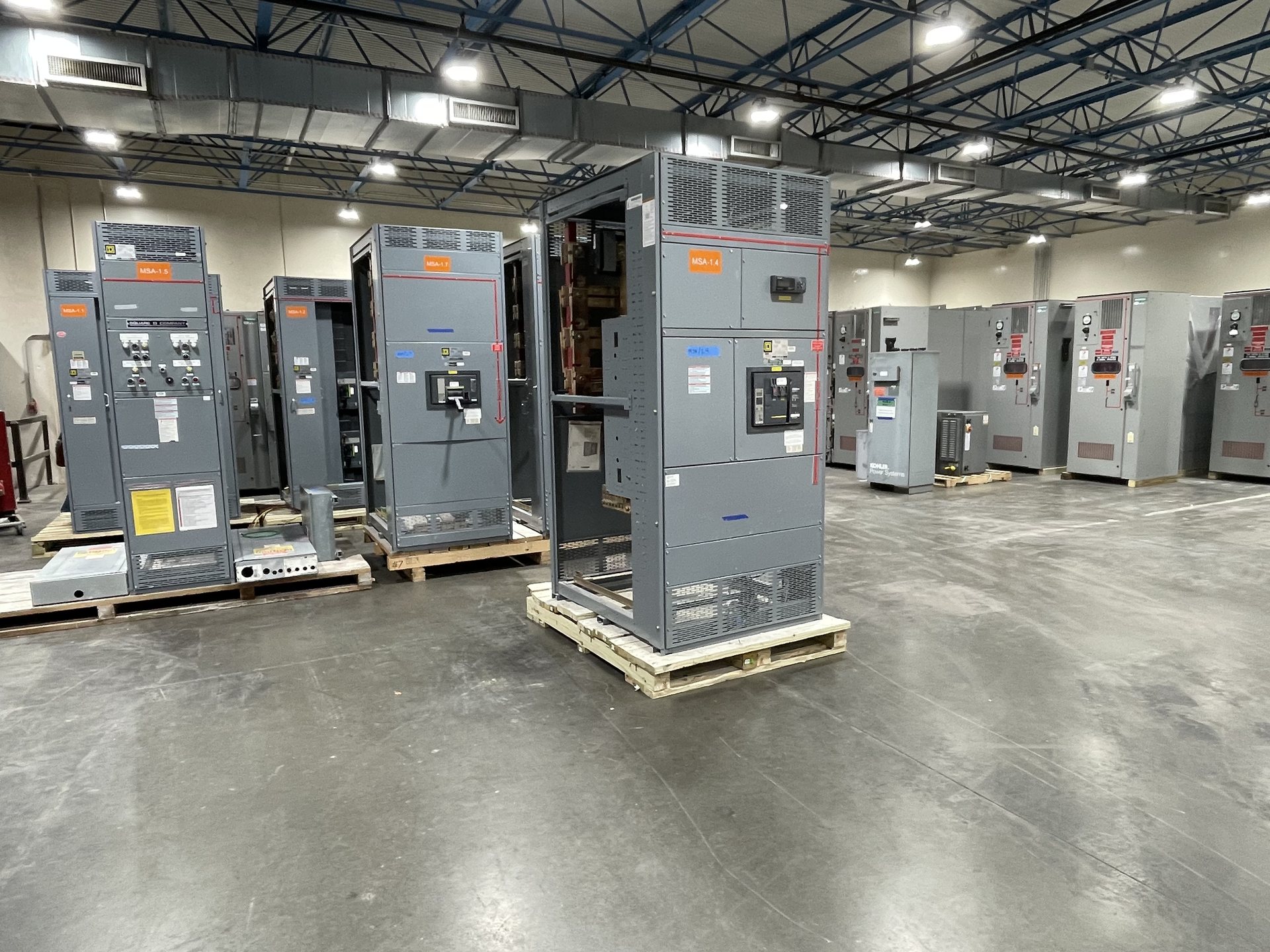
Start by defining the proposed sale as specific equipment, not as an assumed complete electrical system. A reported 4,160-volt marking can help identify the subject, while the sale scope may include metal-clad switchgear sections, associated breakers, or related components only if those items are present and offered. Record what the owner believes is included and what is excluded; do not treat a room, lineup, or connected installation as automatically part of the transaction.
Count the cubicles or sections using existing labels, drawings, inventories, or safely obtained photographs. If a lineup appears to have several bays but records describe a different count, preserve both descriptions and flag the discrepancy for review. Identify visibly separate breakers by their existing tags or documents rather than assuming each section contains a particular breaker arrangement. A clear, bounded inventory gives a buyer something concrete to assess without implying acceptance.
Separate ratings from equipment identity
Report the 4,160-volt marking exactly as it appears in an accessible record or as it has been reported to you. Distinguish that marking from a description of the facility’s system voltage, which may be based on a different source or may be unknown. A nameplate or historical document is an identifier for review, not proof of present operating conditions, equipment condition, suitability for another installation, or value.
For each section and breaker, capture existing manufacturer, model, serial, catalog, or other identification information when available. Keep the source attached to each detail: for example, note whether it came from a lineup schedule, an inventory, or a legible photo already on file. If an identifier cannot be read in existing materials, write “unknown” rather than inferring it from neighboring equipment or a similar-looking record.
Assemble useful records without creating new tests
Useful records may include equipment schedules, one-line drawings, purchase or maintenance files, protection documentation, and existing inspection or repair records. Share only documents you already have access to; no seller testing is necessary. When protection records are available, identify their date and the equipment or breaker they appear to cover. Do not imply that a record applies to every section unless its scope is clear from the document.
Protection information can help distinguish the equipment being discussed, but it does not establish present condition or confirm that settings, relays, or breakers are suitable elsewhere. If records describe a protective device without clearly linking it to a particular cubicle, preserve that ambiguity. A buyer can review the relationship and ask follow-up questions. Do not open equipment, energize it, conduct tests, or attempt to verify documents by handling electrical components.
Mark gaps and inconsistencies plainly
Use a short unknowns note for missing facts such as section count, breaker identifiers, service history, or the source of the stated voltage. Separate an unknown from a known discrepancy: “breaker serial not available” is different from two records listing different serials. This distinction prevents an estimate or assumption from being mistaken for a verified equipment detail and helps focus review on the information that could affect scope.
A 4,160-volt label does not prove actual system voltage, condition, interchangeability, market value, or that a buyer will accept the equipment. Likewise, a familiar model number or matching description does not establish that components can be substituted for one another. If dates, configuration, or completeness are uncertain, state that directly. Do not fill gaps with typical specifications or conclusions about suitability; let the buyer assess the specific assets and records.
Coordinate review and removal safely
Keep sale documentation separate from any work at the facility. Florida Switchgear Buyers purchases used, surplus, and decommissioned electrical switchgear and related equipment in all voltage classes, including equipment from decommissioned data centers and closed power plants. For assets it purchases, the company handles crane, rigging, disconnects, loading, freight, and hauling. This describes removal coordination for purchased equipment, not wholesale facility demolition or general electrical services.
Only qualified professionals should handle electrical equipment. Sellers should not open, test, energize, isolate, disconnect, move, or otherwise handle switchgear to prepare an inventory or support a sale. Existing accessible photos and documentation can be shared instead. If safe access, equipment status, or ownership boundaries are uncertain, record that as an open coordination item rather than trying to resolve it physically; the buyer reviews the proposed equipment and circumstances.
Prepare a focused buyer conversation
A useful initial summary can state the reported rating, the documented or estimated number of sections, the breaker identifiers available, the records on hand, and the unresolved questions. Make clear whether the counts come from documents or an existing visual inventory. Florida Switchgear Buyers makes cash offers and pays upfront for equipment purchased, but an offer and the precise assets purchased depend on review. No price, acceptance, or schedule should be assumed before that review.
For a buyer conversation, send the inventory and relevant existing materials through (614) 715-3047 or saleselectricalbuyers@gmail.com. Explain which facts are reported, which are documented, and which remain unknown; that is more useful than presenting an incomplete lineup as a confirmed package. The buyer can review the specific equipment and determine what, if anything, is included in an offer. Seller testing is not required, and equipment should remain for qualified professionals to handle.