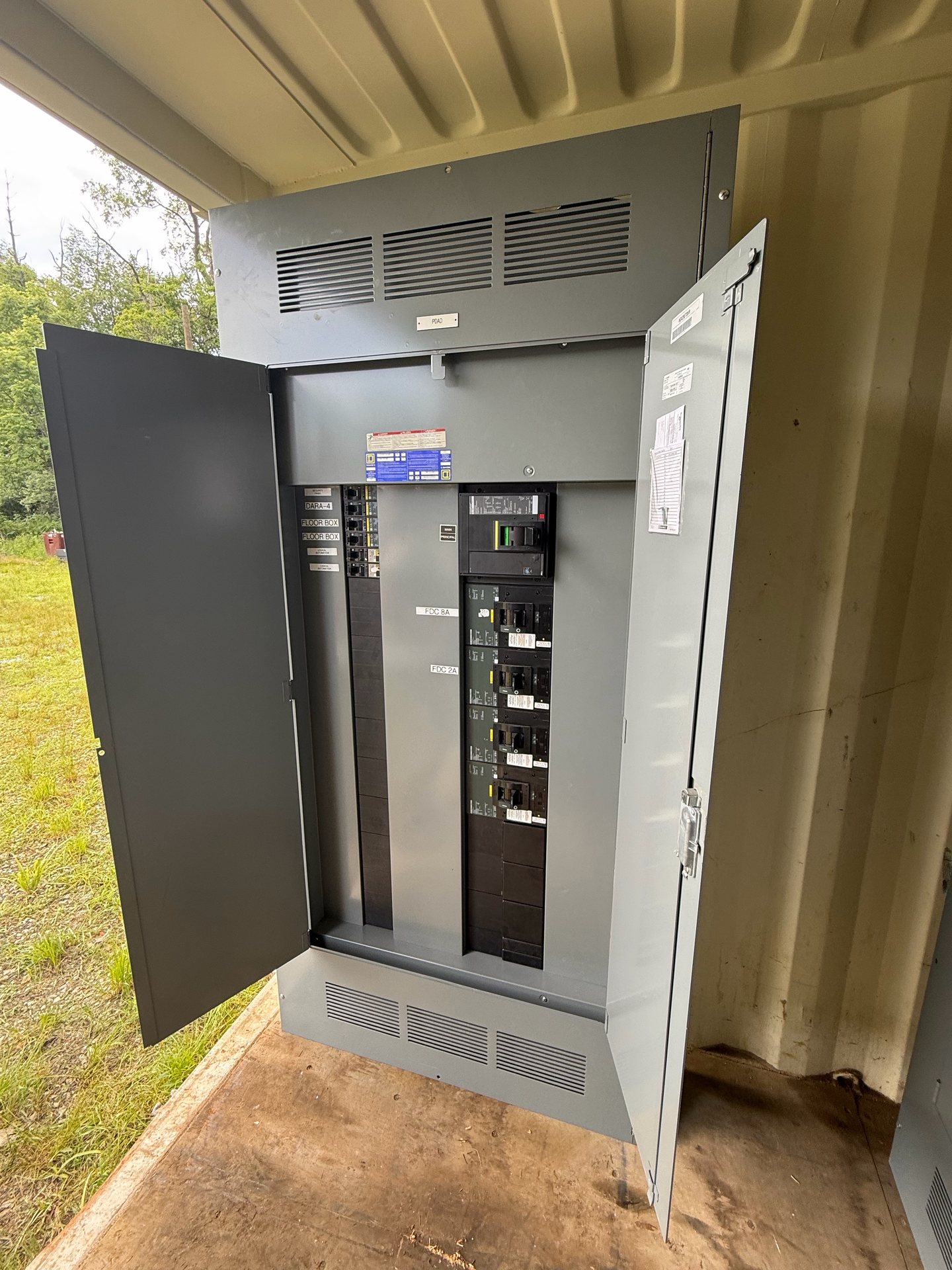
Start with the Asset List, Then Check the Visible Markings
An asset list may identify a lineup simply as “Westinghouse low-voltage switchgear,” while the equipment itself carries several labels and identifiers. Treat that name as the seller-reported marking, not as proof of a particular model, age, original configuration, or product history. Compare the list with existing, safely accessible exterior information, and note where the wording differs rather than trying to resolve the discrepancy through electrical inspection.
A visible nameplate may show a manufacturer name alongside current or voltage ratings, a serial or catalog identifier, or other markings. Record only what can already be read or what appears in existing photographs and documents. If a value is obscured, absent, or uncertain, mark it unknown. Do not infer ratings from the lineup’s appearance or from another asset listed nearby.
Describe the Lineup as It Is Represented
A lineup position can help connect an asset-list entry to the equipment being offered. If existing records distinguish sections by position, use those labels consistently and explain whether the list refers to one section, several sections, or a complete lineup. Where the scope is unclear, say so; do not treat a building label or room location as evidence that every adjacent section is included in the proposed sale.
Breaker identity is another useful point of comparison, but the description should stay within the available evidence. Existing schedules, photographs, or visible exterior labels may identify breaker positions or designations. If those sources disagree, preserve both descriptions and note the conflict. Do not open equipment, test breakers, energize anything, or ask staff to handle electrical components to settle an inventory question.
Separate Recorded Ratings from Unknown Changes
When current and voltage ratings are stated in accessible documentation or on a visible nameplate, report them as recorded, with the source if known. That gives a buyer a basis for reviewing the asset without turning the seller’s summary into a technical verification. If the list contains a rating but the visible marking cannot be confirmed, describe the rating as listed and identify the missing confirmation rather than presenting it as established equipment fact.
Modification history may be incomplete even when the nameplate and asset register appear to match. If records mention a change, describe what the record says and when it was recorded, if that information is available. If no modification record is on hand, say that the history is unknown; absence of paperwork does not establish that the lineup is unchanged. Seller-provided descriptions do not establish compatibility, condition, or value.
Use Existing Records to Reconcile Scope
Useful material can include an existing asset register, available nameplate photographs, equipment schedules, prior purchase records, or documentation that identifies the sections and breakers. Share what is already accessible and relevant, including documents that contain conflicting descriptions. There is no need to create a technical report or arrange testing for a purchase inquiry. Missing records should be identified plainly instead of filled in from assumptions about the Westinghouse name.
Before requesting review, reconcile the proposed sale against the facility’s own list: note the listed description, the visible marking, the number or position of sections as documented, and any known breaker identifiers. State whether the seller is offering only the identified equipment or whether the boundary remains uncertain. This distinction helps prevent an inquiry about one recorded asset from being mistaken for an offer covering an entire lineup or room.
Keep the Review Within Safe Boundaries
Share exterior information only if it is already safely accessible, along with photographs or records already in your possession. Do not open doors, remove covers, approach exposed electrical parts, or ask anyone to isolate, disconnect, move, or otherwise handle equipment for the inquiry. Qualified professionals must handle electrical equipment. Seller testing is not required, and an unanswered technical detail can remain unknown for review.
Florida Switchgear Buyers buys used, surplus, and decommissioned switchgear and related equipment across all voltage classes, including equipment from decommissioned data centers and closed power plants. A Westinghouse marking alone does not establish whether a particular item will be purchased. The proposed assets and offer depend on review, so describe the actual scope as accurately as the available records and safe exterior information permit.
Request Review for the Equipment Actually Offered
For a purchase inquiry, provide the seller-reported marking, any known ratings, lineup-position and breaker information, available records, and a clear account of what remains uncertain. Florida Switchgear Buyers can review used or surplus equipment for a cash offer; no purchase or acceptance should be assumed before that review. For equipment purchased, payment is upfront, and the buyer handles crane, rigging, disconnects, loading, freight, and hauling for those purchased assets.
Contact Florida Switchgear Buyers at (614) 715-3047 or saleselectricalbuyers@gmail.com. A concise inventory summary can help distinguish what the records identify from what is physically described, without asking the seller to perform electrical work. The purchasing and removal discussion applies to assets purchased; it is not a commitment to demolish a facility or provide general electrical services.