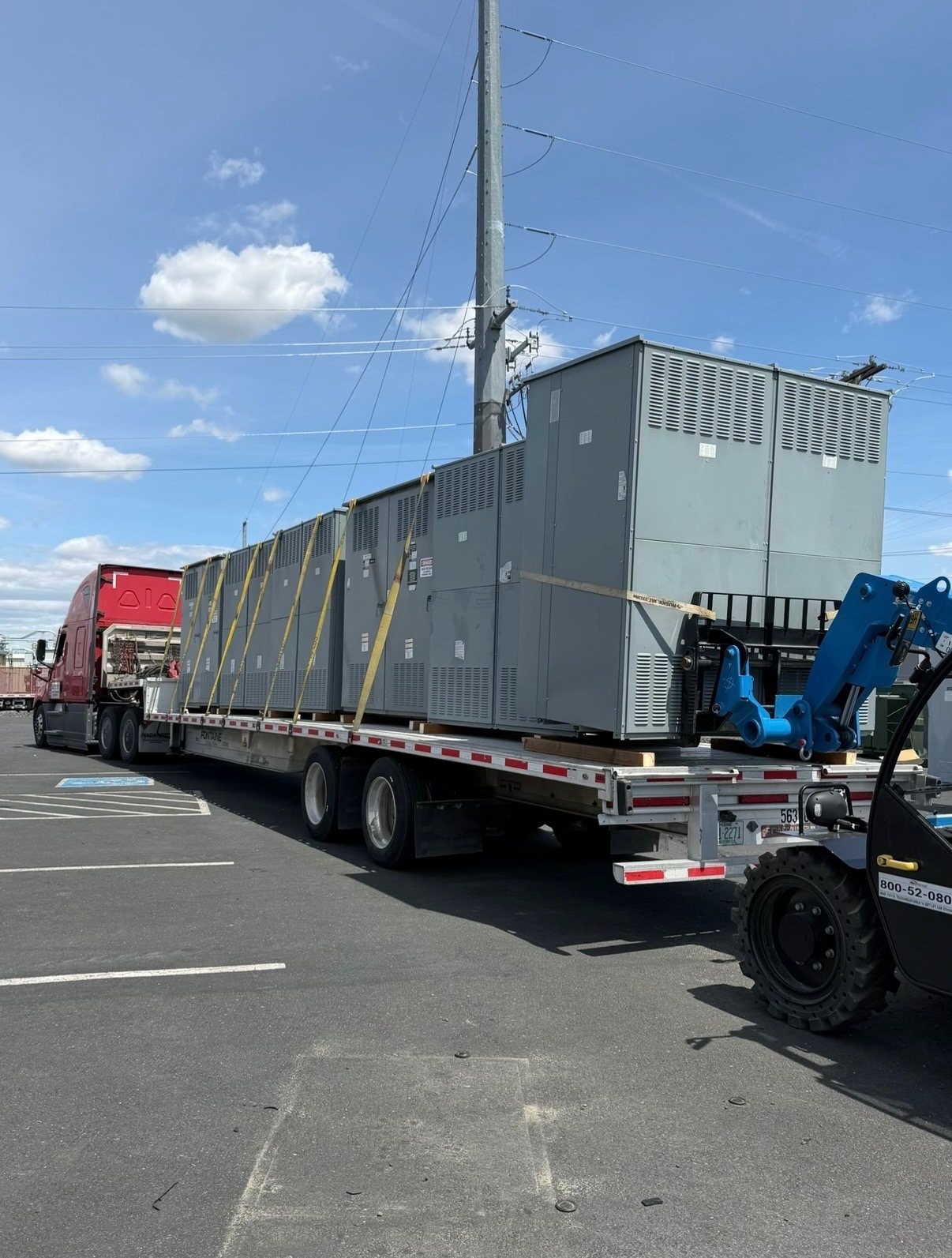
Start with the decision to sell the marked equipment
Imagine a facility owner deciding whether to sell a retired lineup identified on its exterior as ABB medium-voltage switchgear or retain it while sorting out incomplete records. The first useful distinction is between what the marking reports and what the records establish: “ABB” is a seller-reported identification, not confirmation of a model, product history, condition, or suitability for another installation.
That distinction matters because a lineup can include several separately identified assets. A breaker’s nameplate or inventory entry may not identify the enclosure, adjacent sections, or protective devices. Before describing the lot, gather only existing accessible photographs and documents, and keep each item’s identification tied to the component it actually depicts. Florida Switchgear Buyers reviews used, surplus, and decommissioned switchgear and related equipment; any offer and purchase scope depend on that review.
Separate breaker identification from enclosure records
A breaker identifier should not be treated as an identifier for the complete switchgear section. If existing records list a breaker model or serial number, record that information separately from any enclosure or cubicle marking. A photo may show which marking belongs to which visible component, but only if the relationship is clear from the existing image; do not open equipment or approach it to create a new view.
When labels are absent, obscured, or difficult to associate, describe the relationship as unknown rather than filling in a likely match. For example, an asset sheet may name a breaker while a separate lineup drawing lists section numbers without linking them. Sharing both records can still help reviewers understand what is documented and where the gap remains, without presenting an assumption as verified equipment identity.
Report voltage class and lineup position carefully
Use the voltage class exactly as it appears in an accessible record or on an existing exterior image, and identify the source where practical. A general facility inventory may group equipment broadly, while a nameplate or technical document may provide a more specific designation. If the sources differ, preserve both entries and flag the discrepancy for review instead of choosing one or converting between descriptions.
Lineup position can help distinguish a section from neighboring equipment, particularly when several similar enclosures appear together. Existing one-line diagrams, layout drawings, or asset schedules may show a lineup label or position; share them if available and identify the relevant section only when the link is clear. If the drawing is outdated or its relationship to the present arrangement is unknown, say so. No seller testing is necessary.
Describe protective devices without inferring function
Records may identify protective devices associated with a lineup, such as relays or other listed components. Report the device names and identifiers as documented, and distinguish a listed association from a confirmed present configuration. A schedule might refer to a relay for a particular section without establishing that the device remains installed or that its settings, condition, or operation are known.
Avoid describing a device as compatible with a breaker or as proof of a particular protection scheme unless reliable existing documentation explicitly supports that statement. If the records do not answer those questions, mark them unknown. Reviewers can consider the information alongside the asset list and visible exterior details; the seller should not energize, test, open, isolate, disconnect, or otherwise handle electrical equipment to resolve a documentation gap.
Keep condition and missing facts explicit
An exterior photograph can help show visible labels, enclosure arrangement, or apparent exterior condition, but it cannot establish internal condition. A seller may have no records of prior testing, maintenance, faults, or storage, and that absence should be stated plainly rather than interpreted as evidence that the equipment is either sound or defective. Share existing accessible documentation and safe exterior photos only; do not create access or inspect internal parts.
A concise record can separate known facts, reported descriptions, and unknowns. For instance, an inventory may provide a voltage designation and lineup tag, while breaker identity is uncertain and internal condition is undocumented. Keeping those points distinct gives the reviewer a more useful basis for assessing the equipment than a confident but unsupported summary. Qualified professionals alone should handle electrical equipment; the seller is not asked to test it.
Prepare the sale review and removal scope
When submitting information, describe the equipment as seller-identified ABB medium-voltage switchgear and attach records that clarify breaker and enclosure identifiers, voltage class, lineup position, and any documented protective devices. Include known quantities only when supported by the inventory or clear records. Florida Switchgear Buyers buys used, surplus, and decommissioned electrical switchgear and related equipment across all voltage classes, including equipment from decommissioned data centers and closed power plants; review determines what assets, if any, are included in an offer.
For a purchased asset, the company makes a cash offer, pays upfront for equipment purchased, and handles crane, rigging, disconnects, loading, freight, and hauling for that equipment. This is purchasing and removal of purchased assets, not a promise to buy every listed component or a general facility demolition or electrical-services arrangement. To discuss records or request a review, contact (614) 715-3047 or saleselectricalbuyers@gmail.com.