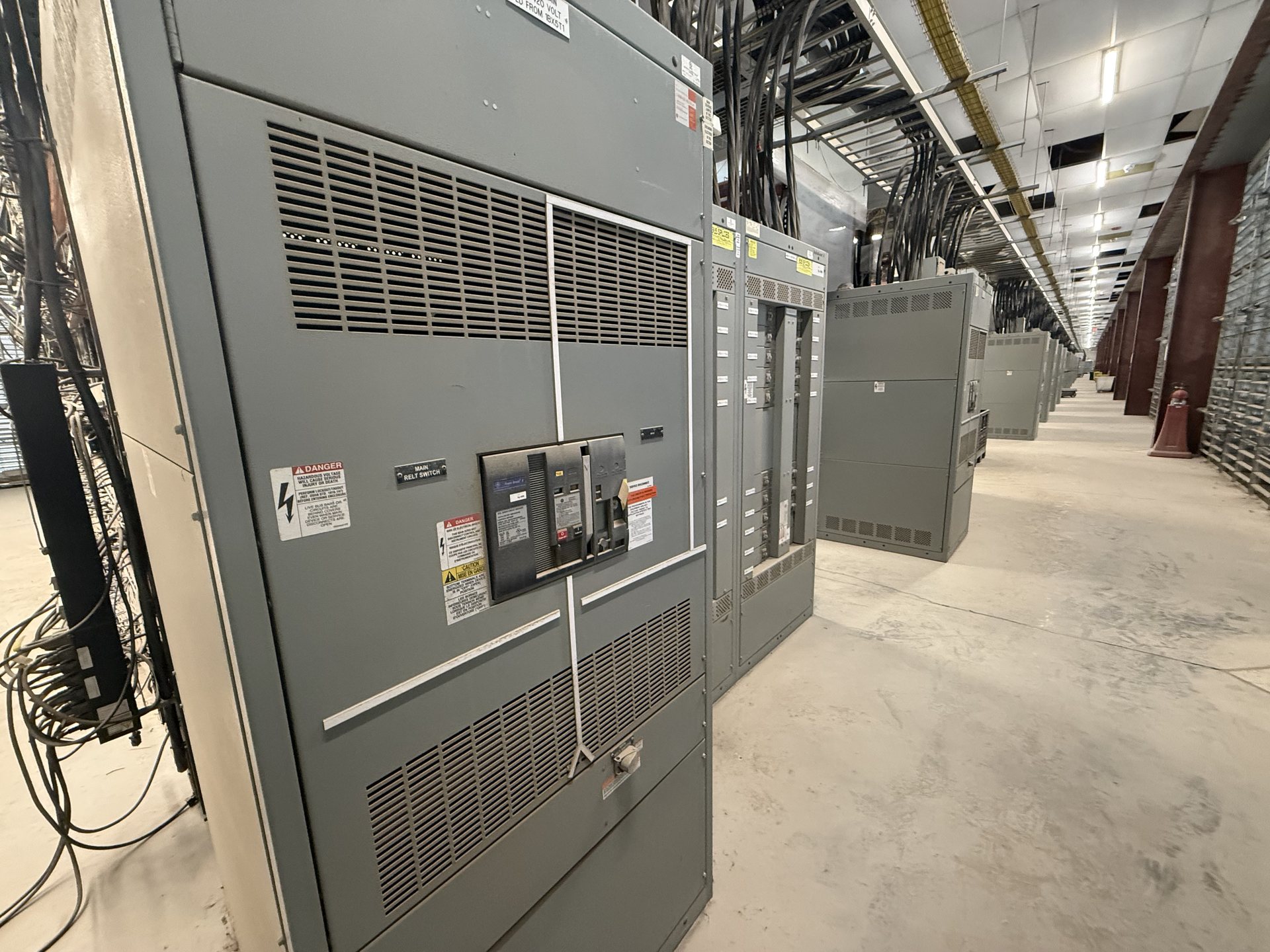
Scope the sale by identified positions
Begin with an inventory of the equipment the seller identifies as ABB metal-clad switchgear, rather than treating a lineup as one undifferentiated asset. Record each cubicle or position as it is named in existing site records, and note whether a removable breaker is associated with it. This helps define what is being offered while leaving model identity, history, and purchase scope subject to review.
A lineup may include several cubicles but fewer breakers, or breakers may be stored separately from the positions they once served. Describe those distinctions plainly: for example, identify a cubicle as present and its breaker as absent, stored separately, or unknown. Do not assume that a loose breaker belongs to a particular position. Florida Switchgear Buyers considers used, surplus, and decommissioned switchgear and related equipment across voltage classes, with any offer dependent on review.
Use existing identification records
Share records already available, such as an equipment schedule, asset list, prior sale inventory, or photographs of accessible exterior nameplates. Transcribe markings as seen, including any model or catalog designation, but distinguish a legible marking from a seller’s recollection. The reported ABB name identifies how the equipment is described for the inquiry; it does not establish a model, product history, or manufacturer relationship.
If records conflict, preserve the discrepancy instead of choosing one version. An asset list might name a cubicle differently from a label in an existing photograph; note both references and explain which source supplied each. If a document is missing, mark that information unknown. There is no need to create new records by approaching, opening, or inspecting energized or otherwise unsafe equipment. Existing accessible material is enough to begin a buyer conversation.
Describe completeness without assuming a match
For each position, record what the available inventory says is present: cubicle, removable breaker, or other listed component. Note separately whether a breaker is installed, stored elsewhere, or not accounted for, if that is already known from records. A lineup with every position named but some breakers unlocated differs from a group offered as complete, and that distinction can affect how the assets are reviewed.
Avoid calling components interchangeable or matching unless reliable existing documentation supports that description—and even then, present it as a record-based identification, not a compatibility guarantee. Breakers that appear similar may have different markings or intended positions; the buyer must assess what can be identified and purchased. If the relationship between a breaker and cubicle is uncertain, say so rather than assigning it based on appearance or assumption.
Report exterior condition and unknowns
Provide only safe exterior information that is already visible from an ordinary accessible viewpoint or documented in existing photographs. You may describe a visible dent, missing exterior panel, or label that cannot be read, while avoiding conclusions about internal condition or operability. Do not open compartments, test equipment, energize it, or ask staff to perform electrical checks for the sale. Seller testing is not required.
Separate observed facts from uncertainty. “Exterior photograph shows a damaged door” is more useful than a broad judgment that the equipment is unusable; likewise, “condition inside unknown” is preferable to an unsupported claim that it is complete or ready for service. Florida Switchgear Buyers does not require sellers to test equipment. Only qualified professionals should handle electrical equipment, and a sale inquiry is not a reason to move or otherwise handle it.
Coordinate purchased equipment and removal
Discuss the proposed inventory and the equipment’s present setting before planning any removal. A description of where the lineup is located within the property, based on information the seller can safely provide, can help frame coordination without asking the seller to disconnect or prepare equipment. Florida Switchgear Buyers handles crane, rigging, disconnects, loading, freight, and hauling for equipment it purchases; the precise assets purchased remain contingent on review.
Keep the sale boundary clear when the equipment sits within a larger facility. Purchasing identified switchgear and arranging removal of purchased assets is not a commitment to demolish a building, clear unrelated contents, or provide general electrical services. If the proposed lot includes adjacent equipment or loose components, list them separately so the buyer can review their identity and inclusion rather than assuming everything nearby is part of the transaction.
Prepare a focused buyer conversation
A useful first discussion can follow the inventory: how many positions are named, which removable breakers are accounted for, what existing identification records are available, and what remains unknown. Explain any gaps without trying to resolve them through testing or handling. This gives Florida Switchgear Buyers a basis to review the described assets and determine whether to make a cash offer; neither acceptance nor the assets ultimately purchased should be assumed before that review.
For a purchase, payment is upfront, while the offer and exact purchase scope depend on review. To discuss seller-identified ABB metal-clad switchgear, contact Florida Switchgear Buyers at (614) 715-3047 or saleselectricalbuyers@gmail.com. Share existing records or accessible photographs if available, and identify missing information as unknown. A concise, candid inventory is more useful than a claim of compatibility, completeness, or condition that the available evidence cannot support.