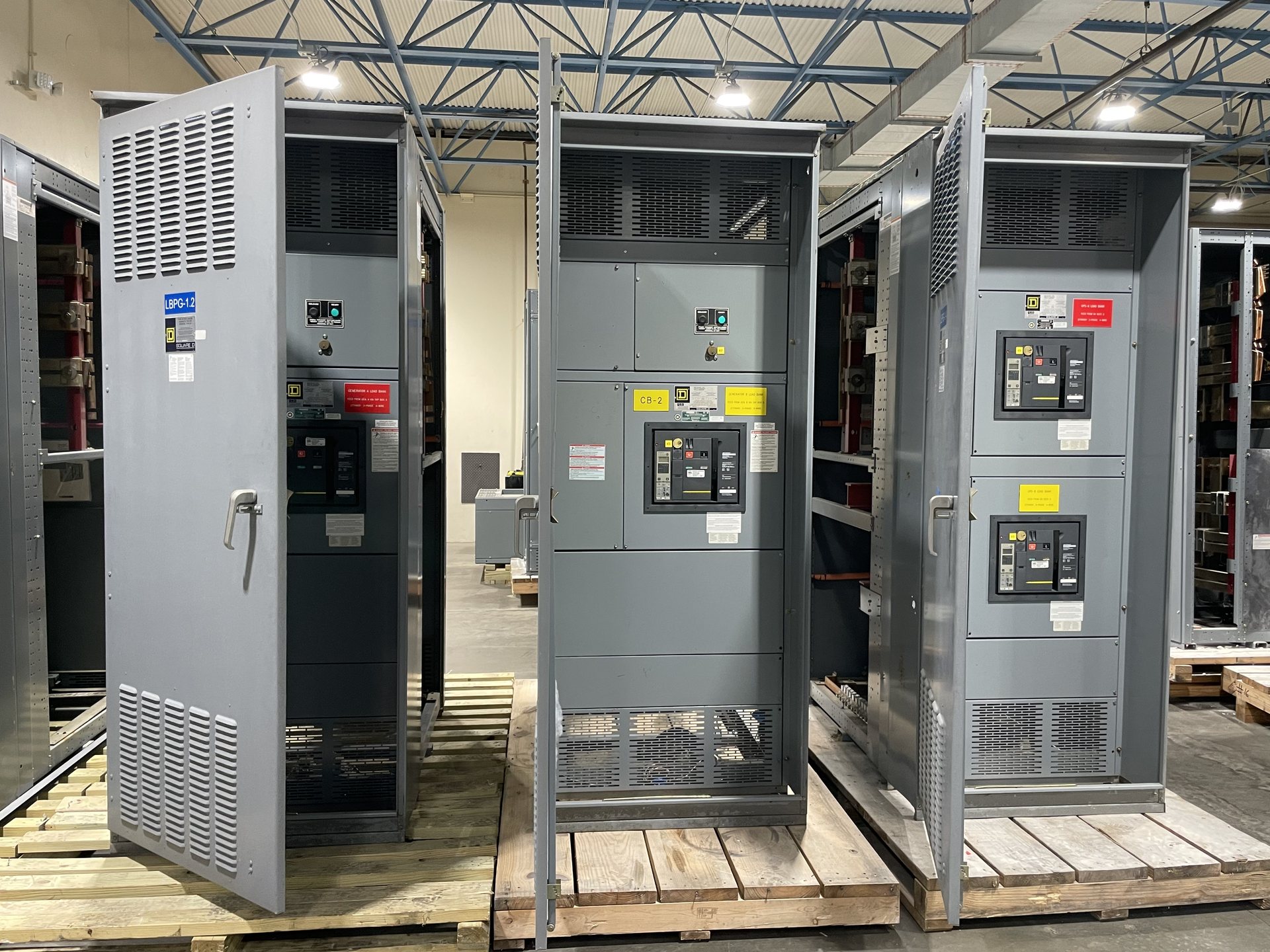
Start with the marking, not the assumption
When an asset list says “GE MCC bucket,” treat that wording as a lead to verify against the equipment being offered, not as a complete identification. Record the manufacturer name and any other wording visible on the bucket exterior, along with the exact characters and numbers as they appear. If the label is absent, damaged, obscured, or differs from the list, describe that plainly rather than filling in the gap from memory.
The name GE is used here only to describe a seller-reported marking. A marking by itself does not establish the bucket’s model, product history, present condition, or relationship to a particular lineup. It also does not establish compatibility with other equipment or guarantee that the bucket will be purchased. Keep those distinctions clear when comparing inventory records with the items proposed for review.
Match each listed item to an offered item
Reconciliation is more useful when each list entry can be tied to a specific bucket or group of buckets. Existing inventory tags, photographs, location labels, or other records may help connect an entry to the equipment without relying on an assumed match. If several buckets look alike, do not report them as identical unless existing documentation supports that conclusion; note which identifiers are visible and which remain unknown.
A list may combine a parent lineup with individual bucket entries, while the physical inventory may be recorded differently. Share the parent lineup name or identifier only if it appears in existing records or is otherwise known, and distinguish it from markings on the bucket itself. If the lineup cannot be identified, say “unknown” rather than inferring it from appearance. This helps reviewers see where the records agree and where they do not.
Capture useful exterior details safely
For each item, report visible bucket and controller markings, including numbers, labels, or nameplate text that can already be read safely. Existing photographs can provide context when they show the relevant exterior details and the item’s general arrangement. Do not open equipment, remove covers, energize, test, isolate, disconnect, move, or otherwise handle it to obtain information. Only qualified professionals should handle electrical equipment.
Storage condition can also help explain differences between a record and an offered item. Describe only what is readily visible from a safe position, such as whether the exterior appears covered, exposed, or visibly affected by storage conditions. If a photo does not show a detail clearly, mark it as not visible; do not convert a partial view into a claim about internal condition, operability, or completeness. Seller testing is not necessary.
Separate documented facts from unknowns
A useful submission distinguishes what a record states, what an exterior marking shows, and what the seller does not know. For example, a spreadsheet might identify a GE bucket while a photograph shows a different or unreadable marking. Preserve both facts and flag the mismatch for review instead of revising the record to make them agree. If a number is partly obscured, report only the readable portion and identify the rest as unknown.
Existing documents may include inventory schedules, prior sale records, or equipment lists, but their presence does not resolve every discrepancy. Share available records and explain any known limitations, such as an entry covering a group rather than a single bucket. Avoid presenting a guessed model, lineup, condition, or history as established. Review can then focus on the actual assets proposed, rather than on conclusions the available information cannot support.
Clarify the proposed purchase scope
Before requesting review, identify which buckets are included in the proposed sale and which are merely nearby or listed under the same inventory heading. If a group contains visibly different markings, record the differences rather than treating the group as one uniform lot. The precise assets purchased and any offer depend on review; a GE marking, a complete-looking exterior, or a matching inventory entry does not by itself establish acceptance or value.
Florida Switchgear Buyers purchases used, surplus, and decommissioned electrical switchgear and related equipment in all voltage classes, including equipment from decommissioned data centers and closed power plants. The company makes cash offers and pays upfront for equipment purchased. It does not require sellers to test equipment. These facts do not mean that every GE-labeled bucket will be purchased; the submitted information and assets remain subject to review.
Plan for purchased equipment, not facility demolition
For equipment purchased, Florida Switchgear Buyers handles crane, rigging, disconnects, loading, freight, and hauling. This concerns removal and transportation of purchased assets, not wholesale facility demolition or general electrical services. Sellers should not attempt to prepare a bucket by disconnecting or moving it. Electrical handling must be left to qualified professionals, and any arrangements relating to equipment should be considered only after the assets and purchase scope have been reviewed.
To submit existing records or exterior photographs, contact Florida Switchgear Buyers at (614) 715-3047 or saleselectricalbuyers@gmail.com. Include the seller-reported GE marking, visible bucket and controller identifiers, any known parent lineup, and a clear account of what is unknown. That information supports a more precise review without requiring testing or electrical handling, and without treating a brand name as proof of model, compatibility, condition, or purchase.