Decide what belongs in the sale
Start by defining the proposed sale boundary, rather than assuming every bucket associated with an MCC must be included. You might offer individually identified buckets together with the parent MCC, or present the buckets as a separate lot. The right scope depends on what you own and want to sell, which items can be identified, and what information is available for review. The reported ABB marking alone does not establish a model, history, or sale terms.
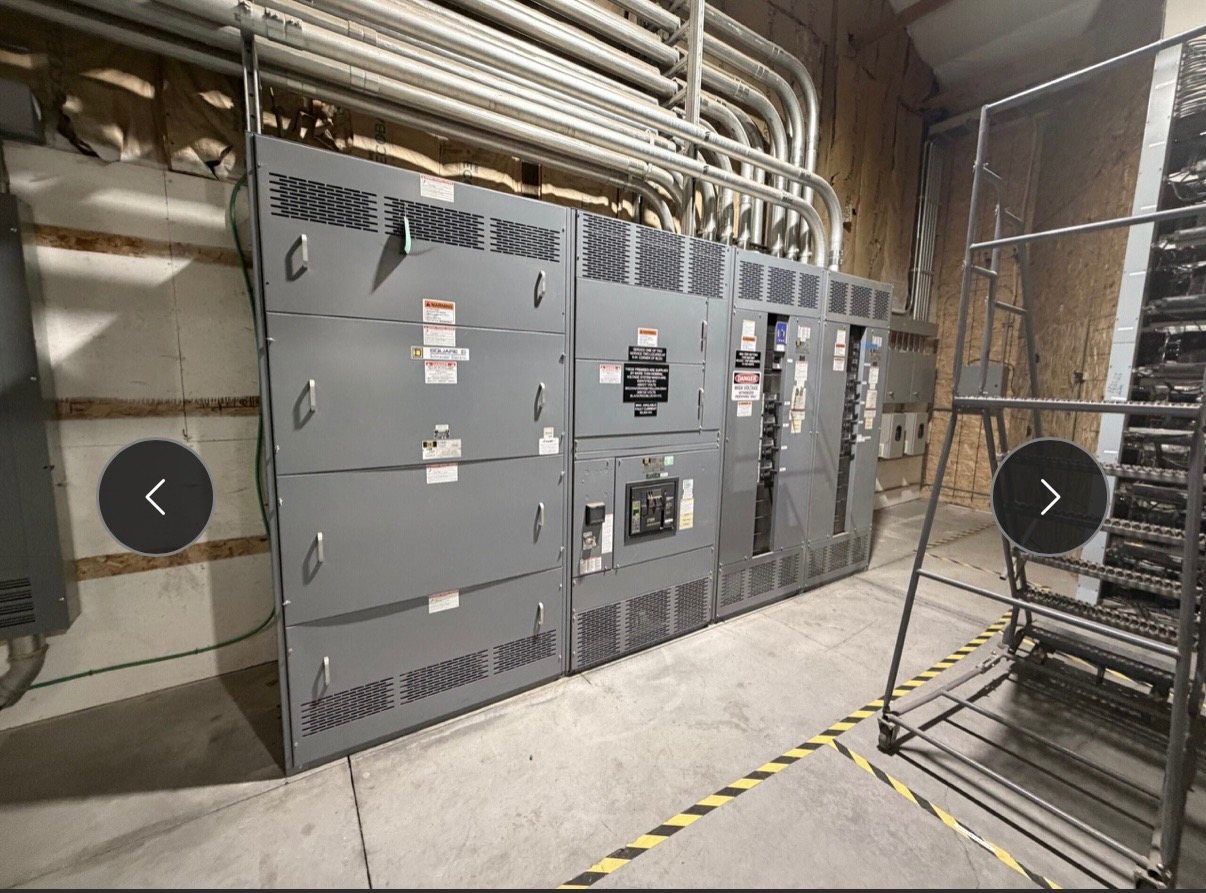
If the MCC is also being considered, distinguish it from the buckets in the proposed scope and in any existing inventory. For example, a seller may be offering the lineup with several buckets while reserving other components, or may have removed buckets from a larger assembly before preparing an inventory. Describe that arrangement as reported; do not assume a bucket is complete, interchangeable, or compatible with a particular lineup. The buyer will review the proposed assets.
Make the proposed lot easy to count
Assign each bucket a simple identifier in a written inventory and use the same identifier in any corresponding existing photo or record. Record the count you can support from the accessible information, and say when it is approximate or not yet confirmed. A count is useful even if some markings cannot be read: it lets the buyer compare the stated lot with the items shown without turning an uncertain count into a claim about completeness.
Keep the inventory language neutral. “Seller-reported ABB marking” describes how the equipment has been identified without suggesting manufacturer verification or affiliation. If a photo shows a marking clearly, note the identifier and the visible text; if it is obscured or unavailable, mark that detail unknown. Do not infer a model from appearance, and do not ask staff to access, open, move, or otherwise handle equipment to improve the record.
Share existing marked control details
For each identifiable bucket, record control details already visible in existing documentation or safely accessible exterior photos. Depending on what is available, this could include marked identifiers or other control information printed on the exterior. Keep transcription separate from interpretation: copy the marking as seen, and flag any characters that are unclear rather than completing them from assumption. These details can help distinguish units in a lot, but do not establish condition, intended use, or compatibility.
A concise record can preserve useful distinctions without becoming a technical inspection. Note whether the information came from an existing document, an earlier inventory, or an exterior image, and avoid presenting an old record as confirmation of present condition. If some buckets have no readable control details in the material on hand, identify those units by inventory number and state that the details are unavailable. Seller testing is not necessary.
Be direct about gaps and uncertainty
Incomplete records do not need to be disguised or filled with guesses. State what is known, what is missing, and whether a detail applies to the whole lot or only particular buckets. For instance, a seller may have a count but no model information, or may have records for some units while others lack individual descriptions. Label the missing information as unknown; that gives the buyer a more accurate basis for reviewing the proposed assets.
Avoid treating an ABB marking as proof of manufacturer history, product identity, prior service, or value. Likewise, a visible exterior does not establish internal condition, completeness, or operability. If the equipment’s status has not been confirmed, say so plainly. Florida Switchgear Buyers reviews the assets and determines whether it will make an offer and which items, if any, are included; a description or photograph does not guarantee acceptance.
Coordinate review without handling equipment
Gather only material already available: inventory sheets, purchase or maintenance records, prior photographs, and safe exterior images. Do not open, test, energize, isolate, disconnect, move, or otherwise handle electrical equipment to create sale materials. Any electrical work or equipment handling belongs with qualified professionals. The seller need not test the buckets for a buyer review, and a missing test report should be identified as missing rather than treated as a reason to arrange seller testing.
When a parent MCC is included, make clear whether the proposed transaction concerns that assembly as well as named buckets, or only the separate bucket lot. Florida Switchgear Buyers buys used, surplus, and decommissioned switchgear and related equipment across all voltage classes, including equipment from decommissioned data centers and closed power plants. For equipment purchased, it handles crane, rigging, disconnects, loading, freight, and hauling. This is purchasing and removal of purchased assets, not a claim to provide facility demolition or general electrical services.
Prepare a focused buyer conversation
A useful first conversation can follow the inventory: explain the proposed lot, give the supported count, identify any parent MCC offered with it, and summarize which marked control details are available. Then state the important unknowns without guessing. That structure helps clarify what the buyer needs to review while keeping a distinction between the seller’s equipment description and a confirmed identification. Share existing records or photos when available; do not promise that every listed item will be purchased.
Contact Florida Switchgear Buyers at (614) 715-3047 or saleselectricalbuyers@gmail.com to discuss the proposed assets. The company makes cash offers and pays upfront for equipment purchased; the offer and precise assets purchased depend on review. A contact or submitted inventory is not an acceptance, valuation, or commitment to buy a particular bucket or parent MCC. Keep the proposed scope and its unknowns explicit so the review can address the equipment actually being offered.