Draw a precise boundary around the proposed sale
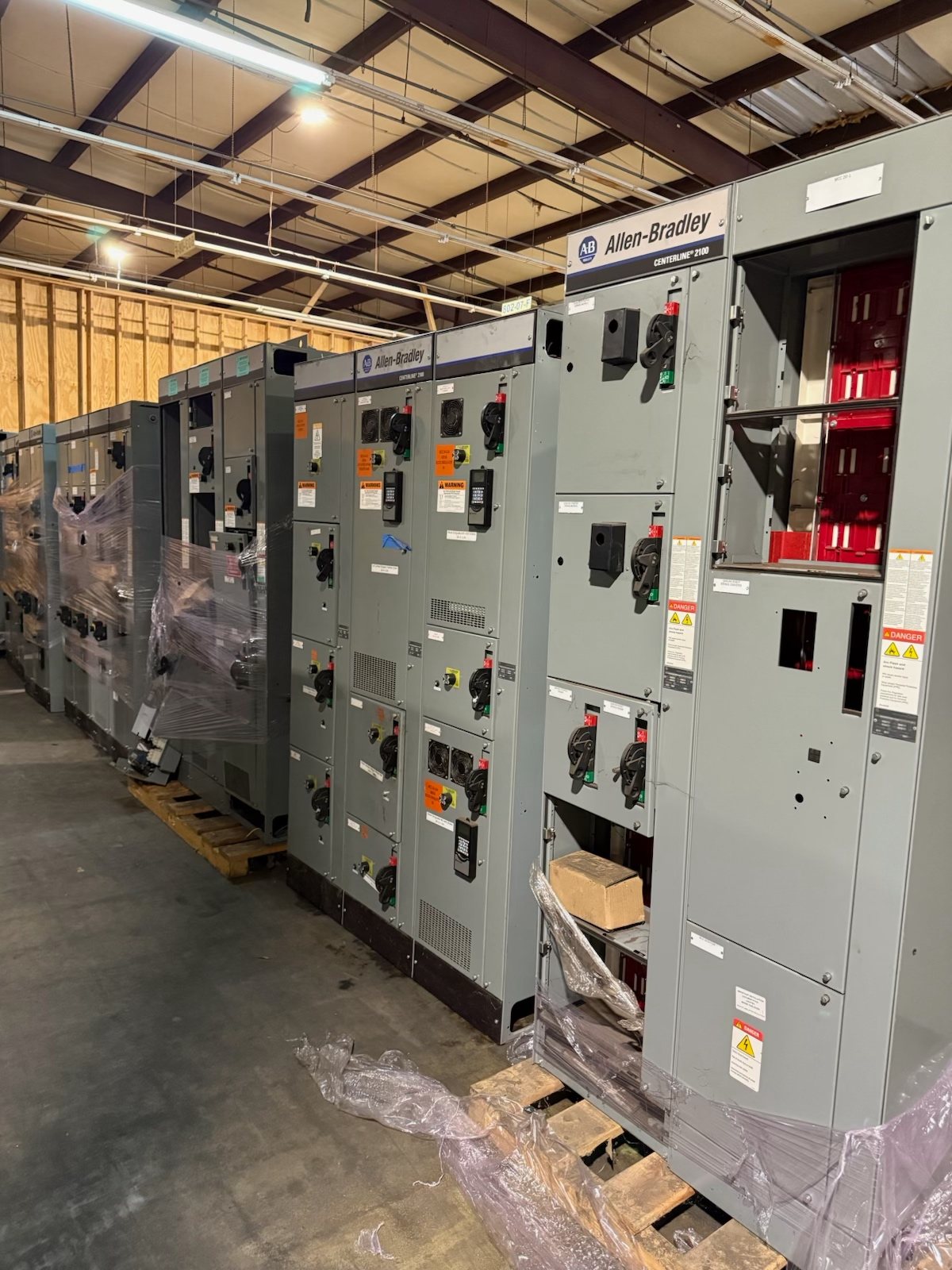
A phased switchboard replacement can leave old and new equipment in service at the same time. For a hypothetical Vero Beach seller, the first decision is therefore not simply whether the former switchboard is surplus, but which sections, associated components, and records are actually within the proposed sale. A written boundary helps distinguish equipment approved for disposition from sections retained to support ongoing operations.
The seller can share existing photographs, asset schedules, drawings, or other accessible records that show how the proposed sale area is identified. If records do not establish whether a particular section or accessory belongs with the surplus equipment, mark that point as unknown rather than assuming it transfers. Florida Switchgear Buyers reviews equipment for a potential purchase; the precise assets included remain contingent on that review and the seller’s authority.
Treat release timing as a decision, not a promise
In a phased changeover, the anticipated sale date may depend on commissioning, operating approval, or a later stage of the replacement plan. A seller should separate an estimated release date from a date when the equipment is formally cleared for sale and removal. If the remaining sections still depend on the older lineup, the proposed sale boundary and release assumptions need reconsideration before any commitment is made.
Share timing as a range or as an unresolved dependency when that is all the seller can substantiate. For example, a section may be expected to become surplus after another stage is accepted, while the actual approval remains pending. Do not treat an offer, an anticipated release date, or a purchase review as permission to interrupt service. Any removal planning for equipment purchased must fit the owner’s authorized operating controls and the actual release decision.
Confirm who can authorize each part of the transaction
A phased project may involve people who can describe the equipment, people responsible for operating service, and people empowered to approve a sale. Those roles may not belong to the same individual. Before sharing a proposed inventory as sale-ready, identify who can confirm ownership or disposition authority, who can clarify the operational boundary, and who can approve access and removal arrangements for any equipment ultimately purchased.
Where authority is divided, the seller can explain the approval path without presenting an informal project contact as the final decision-maker. An asset manager may have a useful schedule, for instance, while a separate authorized representative must approve the sale. This distinction reduces the risk of including retained sections or promising access that the organization cannot yet grant. A purchase review does not replace the seller’s internal approvals.
Provide ratings as documented—and flag gaps
Section ratings help a buyer distinguish equipment within a lineup, but a phased replacement can make the available records uneven. Share ratings from existing, accessible nameplates, schedules, or documents if they are already available to the seller. Identify which rating applies to which section and note the source where practical; a lineup-wide value should not be assigned to every section unless records support that interpretation.
If a rating is illegible, absent from the available records, or not clearly tied to the proposed assets, report it as unknown. Do not open equipment or arrange seller testing to fill a gap. Florida Switchgear Buyers does not require sellers to test equipment. Qualified professionals alone should handle electrical equipment; any further technical review, if needed, must be arranged through appropriate qualified personnel rather than improvised during a sale inquiry.
Keep the sale separate from live-service decisions
The defining constraint in this scenario is that some sections may remain in use. A sale cannot be allowed to interrupt live service, and surplus status for one portion does not establish that adjacent portions can be disturbed. The owner’s qualified personnel must determine operational boundaries and authorize any access or work. A prospective buyer’s interest is not an instruction to isolate, disconnect, move, or otherwise handle equipment.
When explaining the opportunity, distinguish purchase and removal of assets that are accepted from facility-wide demolition or general electrical work. Florida Switchgear Buyers buys used, surplus, and decommissioned switchgear and related equipment across voltage classes, including equipment from phased replacements. For equipment it purchases, it handles crane, rigging, disconnects, loading, freight, and hauling; this does not mean the entire facility or retained lineup is included.
Make the inquiry useful without overstating certainty
A concise inquiry can identify the seller’s Vero Beach location, the proposed sections, their documented ratings, what remains in service, known approval dependencies, and which facts are still unconfirmed. Existing photographs or records may help explain the boundary, but no one needs to create new documentation by accessing or handling electrical equipment. A clear account of unknowns is more useful than a confident description that the seller cannot verify.
Florida Switchgear Buyers makes cash offers and pays upfront for equipment purchased; an offer and the exact assets purchased depend on review. To discuss a potential sale, contact (614) 715-3047 or saleselectricalbuyers@gmail.com. Before treating any section as available, the seller should resolve the boundary, release approval, and authorized access through its own appropriate contacts, while preserving uninterrupted service for equipment that remains in use.