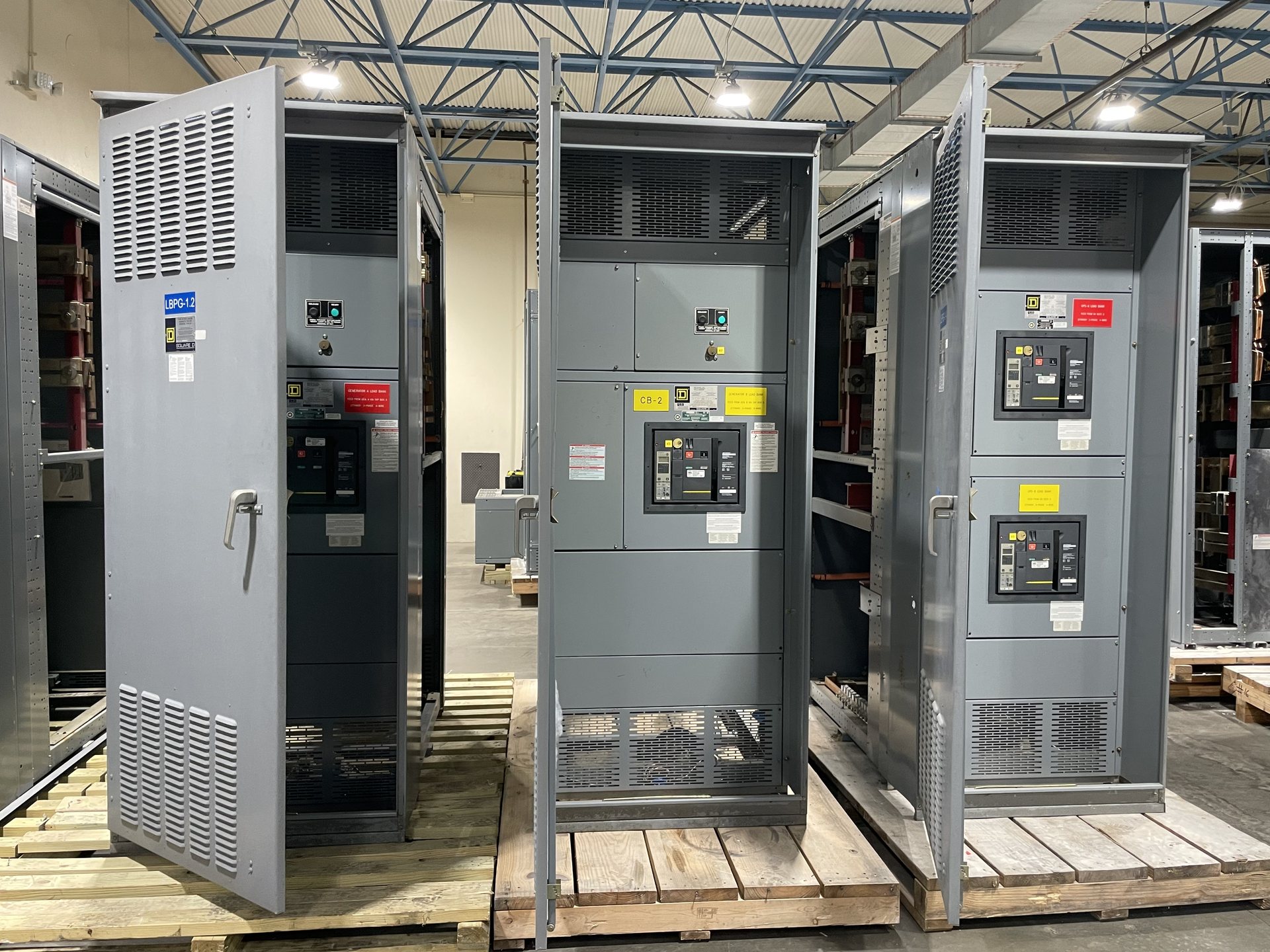
Reconcile the inventory with the equipment offered
A seller in Marco Island may have an asset list prepared for accounting, maintenance, or a site transition, while the proposed sale covers only selected outdoor switchgear. Treat those records as a starting point, not proof that every listed item is present or included. Compare each entry with equipment that can be identified from a safe, existing viewpoint, and record discrepancies without trying to resolve them by handling the equipment.
For example, an inventory might name a switchgear lineup and associated components, while the sale scope excludes items reserved for another owner or project. Mark what is proposed for review, what is expressly excluded, and what remains uncertain. If labels cannot be matched confidently to a list entry, preserve that uncertainty rather than assigning an identity from appearance alone. The assets ultimately purchased depend on review.
Describe visible enclosure condition neutrally
Report only what is visible from an accessible position: whether enclosure surfaces appear intact or show observable corrosion, dents, fading, staining, or other surface changes. Use measured, non-diagnostic wording such as “visible surface rust at lower exterior panel” when that is what can be seen. Avoid conclusions like “weatherproof,” “operational,” or “internally damaged”; exterior appearance does not establish sealing, function, or the condition of enclosed components.
If photographs already exist and can be shared safely, pair them with concise notes about the viewpoint and the date if known. A close image may clarify a visible mark, while a wider image can help distinguish one enclosure from adjacent equipment; neither substitutes for a technical inspection. Do not create new images by approaching restricted equipment or changing its position. Missing or obscured details should be identified as unknown.
Record exposure history only when supported
Outdoor equipment may have a documented exposure history, but a seller should separate records from recollection and inference. If maintenance files or site records identify a known event or period of outdoor service, describe the source and limits of that information. If no reliable history is available, say so. Do not infer salt exposure, flooding, storm damage, or a particular environmental effect merely because the equipment is in Marco Island.
A useful distinction is between a reported event and a visible condition. A record may note that equipment was exposed to a weather event without establishing what happened inside; a discolored exterior does not prove the cause. If the history is based on an individual’s recollection, label it accordingly and avoid presenting it as verified documentation. This careful account helps a buyer assess the information without turning uncertain history into a condition guarantee.
Capture labels and door status without opening anything
Transcribe readable exterior nameplate or identification details only when they are visible from a safe, permitted location. Include the exact text that can be read and mark partially legible fields as incomplete rather than filling gaps from assumptions. Existing photographs may help with transcription. Voltage class, manufacturer, model, or other entries should remain unconfirmed when the label is absent, obscured, or unreadable; an asset-list description alone may not resolve a mismatch.
Record whether enclosure doors appear present from the outside, and note plainly if a door appears absent, damaged, or cannot be assessed from the available view. This is a visible observation, not a statement about security, internal condition, or readiness for sale. No seller testing is necessary, and sellers should not open enclosures to check labels or doors. Only qualified professionals should handle electrical equipment; do not ask site staff to inspect inside.
Clarify access and the site contact
Identify a site contact who can explain who controls access, what advance coordination is required, and whether there are restrictions on photography or equipment viewing. Record the contact’s role and preferred coordination route if available, but do not assume that the person authorizes a sale or can approve removal. Access rules may affect a review, so distinguish confirmed requirements from details still awaiting permission.
Tell the buyer about known restrictions such as escorted access, limited visiting hours, required site approvals, or areas that cannot be entered. If these details are unknown, label them pending rather than promising access. The contact can help coordinate a review of the proposed assets; that does not make the seller responsible for disconnecting or moving equipment. Any handling must be left to qualified professionals and arranged only for equipment purchased.
Prepare a reviewable sale scope
A clear submission can bring together the asset list, proposed inclusions and exclusions, readable exterior identification, neutral condition notes, known exposure records, and access limitations. Separate each item into confirmed, reported, and unknown information. That structure is especially useful when several enclosures look similar or when a record refers to a group rather than a specific unit. It helps prevent a preliminary list from being mistaken for a guaranteed sale scope.
Florida Switchgear Buyers considers used, surplus, and decommissioned switchgear and related equipment in all voltage classes, including equipment from decommissioned data centers and closed power plants. It makes cash offers and pays upfront for equipment purchased; testing by the seller is not required. For purchased equipment, it handles crane, rigging, disconnects, loading, freight, and hauling. An offer and the precise assets purchased depend on review. Contact (614) 715-3047 or saleselectricalbuyers@gmail.com with available records and safe, existing photos.