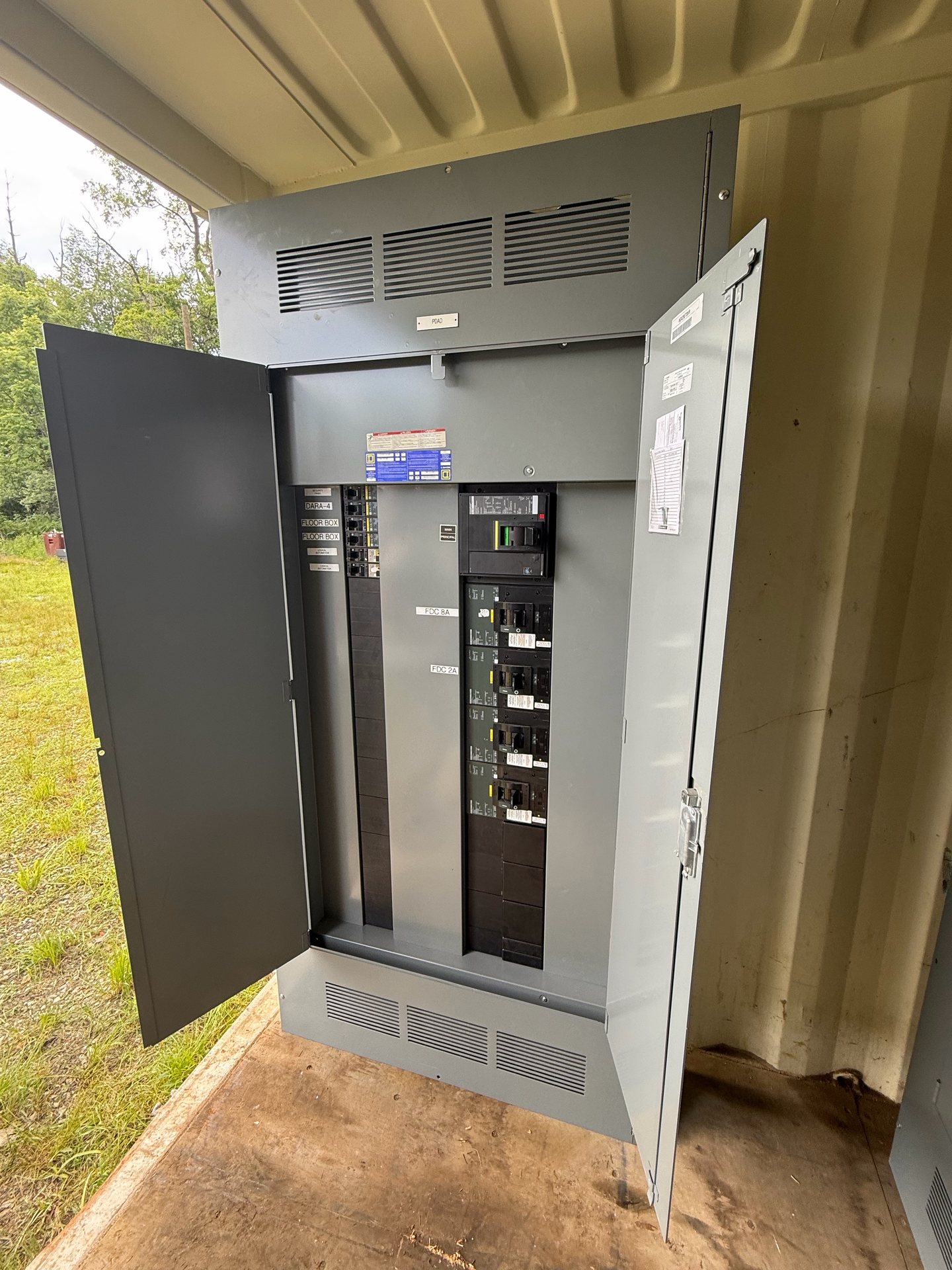
Read the record before interpreting the breaker
For older breaker inventory in Cocoa, begin with what is already visible or documented: manufacturer name, catalog or catalog number, and any other legible identification marks. Keep the exact text as recorded rather than translating it into a presumed model or modern equivalent. A photograph already available can preserve faint markings; do not open, reposition, or handle equipment to obtain one. If a mark cannot be read, record it as unclear.
Related records can describe different parts of the same breaker without being interchangeable. A frame designation may identify a breaker frame, while trip-unit information, when separately shown in existing records, may identify a trip component or setting. Record each under its own label and retain the source of the information. If only one designation is documented, do not infer the other or treat a partial record as a complete identification.
Separate confirmed details from unanswered questions
A useful inventory distinguishes direct observations from information copied from paperwork. For example, an owner might have a legible manufacturer mark on one breaker and an old schedule listing a catalog number for a group. Note which item each detail belongs to and whether the schedule’s connection to that specific unit is confirmed. A similar-looking label is not proof that every breaker in a lot has the same identity.
History may be incomplete, especially where equipment has been stored or inherited with facility records. If installation date, prior service, storage conditions, or reason for removal is unknown, say so plainly instead of supplying a likely story. Do not assume an older breaker is discontinued, obsolete, usable, or unsuitable from age alone. Those conclusions require evidence not established by a nameplate or an uncertain recollection.
Count units and describe visible condition carefully
Record quantities by identifiable group rather than combining unlike items into one total. A count might distinguish breakers with matching recorded catalog marks from units whose marks are missing or different. If parts, accessories, or associated equipment are included, list them separately when their identity and quantity are known. Where a count is approximate or comes from an old document, label it as such; do not present it as a verified current inventory.
Describe visible wear in neutral terms, such as a cracked external cover observed in an existing photograph, surface discoloration, or a label that is difficult to read. Avoid diagnosing internal condition or inferring operation from appearance. Sellers are not required to test equipment for a potential sale. Only qualified professionals should handle electrical equipment, and this inventory process does not call for opening, energizing, isolating, disconnecting, moving, or otherwise handling a breaker.
Make the inventory useful for review
A compact record can pair each group’s quantity with its manufacturer and catalog marks, separately recorded frame and trip details, visible condition, and confidence level for each entry. Identify whether a fact comes from an existing photograph, equipment label already accessible to the owner, or paperwork. This structure lets a reviewer see both what is known and where records may not match, without forcing uncertain details into a single definitive description.
A hypothetical Cocoa seller with several older breakers might find that two paperwork entries share a frame designation but list different trip information. The appropriate record preserves that difference and flags the relationship as unresolved. It should not merge the units, assume the papers are wrong, or claim interchangeability. If photographs or documentation already exist, they may be shared for review; missing information can remain unknown.
Understand the scope of a possible purchase
Florida Switchgear Buyers purchases used, surplus, and decommissioned electrical switchgear and related equipment in all voltage classes, including equipment from decommissioned data centers and closed power plants. Those categories describe the company’s purchasing scope, not a promise that a particular older breaker will be accepted. Whether an offer is made, and precisely which assets it covers, depends on review of the equipment and information provided.
A possible transaction is an equipment purchase, not a commitment to buy an entire facility or perform general electrical work. The owner should identify the specific breakers and related assets being presented, while keeping any unlisted equipment outside the assumed scope. The company makes cash offers and pays upfront for equipment purchased. Payment terms do not establish that every submitted item qualifies, or that an offer will be made for a mixed or incompletely identified lot.
Share what is available and leave handling to professionals
For equipment purchased, Florida Switchgear Buyers handles crane, rigging, disconnects, loading, freight, and hauling. This applies to purchased equipment; it is not a promise of wholesale facility demolition or general electrical services. Sellers should not prepare equipment by attempting disconnection or removal. Electrical equipment must be handled only by qualified professionals, and the exact purchased assets and removal arrangements remain subject to review rather than assumption.
An owner considering a sale can send available identification records and existing photographs, noting unreadable marks, count uncertainty, visible wear, and unknown history without filling gaps by guesswork. To discuss a potential equipment review, contact Florida Switchgear Buyers at (614) 715-3047 or saleselectricalbuyers@gmail.com. A conversation or submitted inventory is not itself an acceptance; the offer and precise assets purchased are contingent on review.