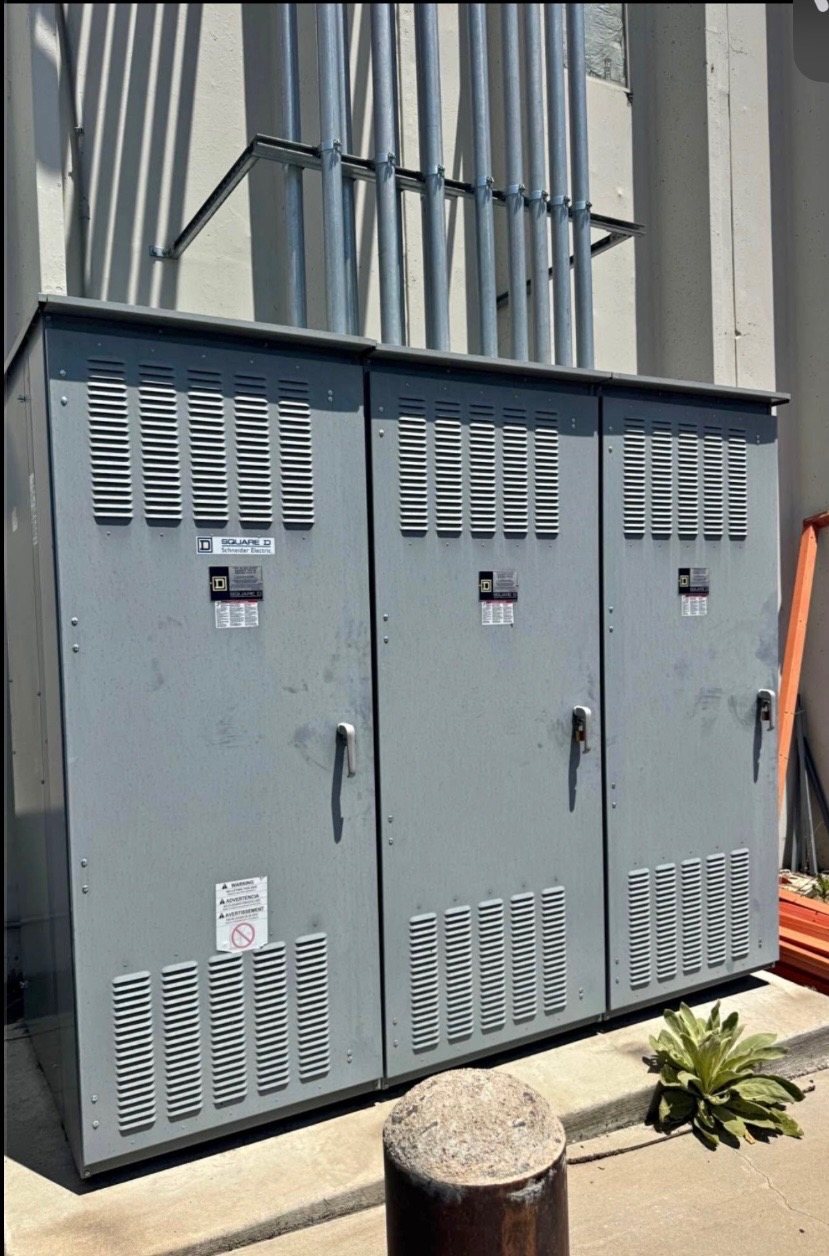
Reconcile the list against the offered lot
A multi-family equipment lot can look complete on a spreadsheet while differing from what the seller intends to offer. Start by defining the sale boundary: which listed assets are available for purchase, which remain with the site or another owner, and which entries are uncertain. A hypothetical South Miami seller might have distribution equipment recorded across several cabinets, storage areas, or asset schedules; the location of an entry alone does not establish that it belongs in the sale.
Use the inventory as a reconciliation tool, not as proof that every item will be purchased. Mark each line as offered, retained, or unresolved, and record who can confirm unresolved ownership or disposition. If the list includes equipment that is inaccessible or cannot be matched confidently to a record, label that limitation rather than assuming it is present or available. This gives a buyer a clearer basis for reviewing the proposed lot.
Give each equipment family its own line items
Separate distribution equipment families rather than combining them under a broad label such as “switchgear.” Depending on the records available, distinct entries might identify switchgear, switchboards, transformers, breakers, or related equipment as separate families; include only categories that the seller can actually substantiate. A family-level line lets the seller show the range of assets without implying that each item has the same design, condition, completeness, or value.
Within each family, distinguish identifiable units where records allow it. A line can include the description used in existing documentation, a known quantity, and an equipment identifier if one is already recorded and safely accessible. If the count is estimated, incomplete, or drawn from an older schedule, say so. Do not turn an uncertain count into a precise total merely to make the inventory appear finished.
Make manufacturers and quantities legible
Mixed manufacturers are easier to evaluate when the inventory does not collapse them into one lot-wide description. Show a manufacturer against the relevant line only when existing records or accessible identification support it. If some entries lack a confirmed manufacturer, use “unknown” or “not recorded” for those entries rather than assigning the name found on a neighboring item. Brand names serve to identify equipment; they do not establish affiliation, endorsement, or compatibility.
Record quantities with their basis where that distinction matters: for example, a documented count, a count from an existing accessible photo, or a quantity that still needs confirmation. Keep unit counts separate from accessory counts when the records distinguish them. If a schedule groups several pieces together but does not say whether a number means complete units or components, preserve that ambiguity in a note instead of silently interpreting it.
Separate offered assets from retained equipment
A lot description should make exclusions as visible as inclusions. Identify retained equipment by line item or by a clear reference to the relevant inventory entries, especially when offered and retained assets belong to the same family or appear in the same records. A hypothetical seller may be offering selected distribution equipment while retaining other listed units; the buyer should not have to infer the boundary from a general statement that “surplus equipment” is available.
Where ownership, site responsibility, or the intended disposition is unresolved, leave the item outside the confirmed offer list until the appropriate party clarifies it. Do not describe retained equipment as available simply because it appears in the same schedule or photograph. Existing accessible documentation and photos can help explain the proposed boundary, but they do not replace a clear statement of which assets the seller is actually presenting for review.
Support review without overstating condition
A practical inventory may include known descriptions, recorded identifiers, quantities, manufacturer information, and relevant notes about missing or conflicting records. Add condition statements only when they are based on information the seller can support, and distinguish a documented observation from a current assessment. Unknown condition, completeness, or operating status should remain unknown. Sellers do not need to test equipment for a buyer review, and they should not create unsupported assurances to fill gaps.
Share only documentation and photographs that are already accessible and appropriate to provide. Do not open, energize, isolate, disconnect, move, or otherwise handle equipment to improve an inventory; only qualified professionals should handle electrical equipment. Florida Switchgear Buyers reviews used, surplus, and decommissioned switchgear and related equipment across voltage classes, including equipment from decommissioned data centers and closed power plants. Any offer remains subject to review of the assets presented.
Allow item-by-item review within a proposed lot
Presenting equipment together does not mean every line must be evaluated as an indivisible package. Florida Switchgear Buyers may review items individually, so a seller can organize the submission by family and still show a proposed combined lot. The review may distinguish assets that are identifiable and available from entries with insufficient information or unclear disposition. The precise assets purchased are contingent on review; listing a unit is not confirmation that it will be accepted.
For equipment purchased, the company makes cash offers, pays upfront, does not require seller testing, and handles crane, rigging, disconnects, loading, freight, and hauling for those purchased assets. This concerns purchasing and removal of equipment included in a transaction, not wholesale facility demolition or general electrical contracting. To discuss a reconciled inventory, contact (614) 715-3047 or saleselectricalbuyers@gmail.com. A concise line-item list, with unknowns clearly marked, gives the review a more reliable starting point.