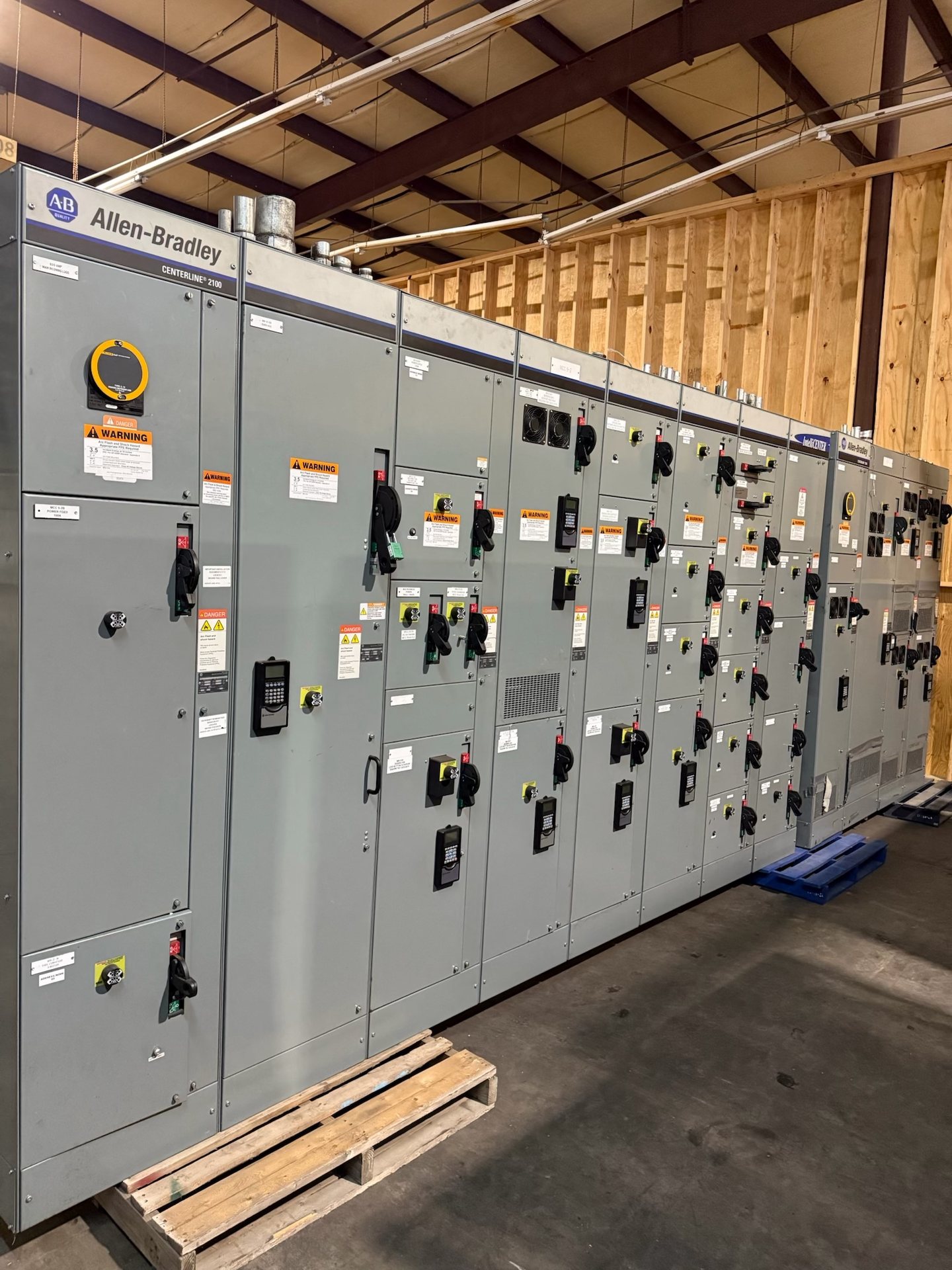
Define the proposed sale without implying a site closure
At an operating facility in Coral Gables, a surplus switchgear sale may concern only identified equipment, while other electrical assets remain part of ongoing operations. A hypothetical seller should describe the proposal as a limited equipment transaction, not as a facility shutdown or a transfer of everything in an electrical room. That distinction helps the buyer assess the intended scope without treating adjacent or retained assets as available.
The seller’s initial description can separate assets proposed for sale from equipment that must remain, items whose status is undecided, and components that may be included only if later confirmed. A written boundary is useful even when the proposed group appears obvious to the seller. If an assembly’s accessories, related sections, or associated equipment are not clearly included, mark that point as unknown rather than silently expanding the offer request.
Route decisions through the people with authority
A person collecting information may not have authority to sell equipment or release it from an active site. The seller should identify the decision maker responsible for approving the transaction and a separate site contact who can coordinate access and operational constraints, if those roles differ. The buyer needs to know who can confirm asset scope, who can authorize the sale, and who can address site logistics; names and responsibilities should not be inferred.
Approval may depend on internal asset ownership records, a lease or service arrangement, a parent organization, or another party’s consent. These are possibilities to check, not assumptions about any Coral Gables facility. If approval is pending, say so and identify the dependency in ordinary terms. An initial review can still consider available information, but the proposed assets should not be represented as cleared for release until the authorized party confirms that status.
Give the buyer a usable asset description
For each proposed item, share the identification already accessible to the seller, such as readable nameplate details, manufacturer and model information, general equipment type, or an existing inventory reference. Photos may help show which equipment is being discussed, especially where retained and surplus assets are near one another. Only provide images and records that can be obtained safely through ordinary authorized access; no one should open equipment or approach an unsafe area to improve the information.
Descriptions should distinguish confirmed facts from estimates and gaps. If voltage class, configuration, completeness, condition, or operating history is not documented, label it unknown rather than filling in a likely answer. Florida Switchgear Buyers considers used, surplus, and decommissioned electrical switchgear and related equipment in all voltage classes, but that does not establish that a particular item will be purchased. The precise assets and any offer remain subject to review.
Coordinate site release with ongoing operations
A proposed sale at an active facility needs a release plan that accounts for what must continue operating and who controls site access. The site contact can explain applicable entry procedures, scheduling constraints, escort requirements, and areas that are unavailable, if known. These details help the parties assess whether the identified equipment can be reached and removed without confusing the transaction with work on retained systems. They do not authorize anyone to alter equipment or interrupt operations.
The seller should also identify dependencies that could affect release: an internal approval, a planned operational transition, a separate contractor’s work, or confirmation that an asset is no longer needed. If timing is uncertain, communicate that uncertainty rather than promising a removal date. Only qualified professionals should handle electrical equipment. The seller should not test, open, energize, isolate, disconnect, move, or otherwise handle equipment for the purpose of a sale; no seller testing is necessary.
Separate purchasing and removal from other work
For equipment Florida Switchgear Buyers purchases, the company handles crane, rigging, disconnects, loading, freight, and hauling. Those arrangements relate to purchased assets and should be discussed against the agreed equipment boundary and site conditions. They are not a commitment to remove every item in a room or to perform wholesale facility demolition, and they should not be mistaken for general electrical services. Assets purchased depend on review; the buyer coordinates removal for those assets.
Before treating a transaction as ready, the seller and buyer can reconcile the proposed asset description with the release authority and site contact’s information. A practical handoff clarifies which equipment is being considered, what remains in place, which approvals are still open, and what access conditions require coordination. If a photograph or inventory entry conflicts with the seller’s latest understanding, flag the discrepancy for review instead of relying on an informal assumption about what the buyer will take.
Prepare a clear, conditional inquiry
A concise inquiry can include the facility city, the seller’s role, the decision maker’s approval status, the site contact, and a description of the limited group of assets under consideration. Existing accessible records and photos may be shared, with unknown details identified plainly. Florida Switchgear Buyers makes cash offers and pays upfront for equipment purchased; the offer and precise assets purchased depend on review. No particular purchase or specific price should be assumed before that review.
For an initial discussion, the seller can reach Florida Switchgear Buyers at (614) 715-3047 or saleselectricalbuyers@gmail.com. The purpose is to evaluate a potential equipment purchase, not to request a facility-wide demolition or unrelated electrical work. Keep the handoff current if asset boundaries, approval status, or site-release conditions change. A careful update protects both parties from treating an early description as final authorization or as confirmation that any particular equipment has been accepted.