Separate the equipment inquiry from a site-wide job
For a hypothetical Cutler Bay owner considering a sale, the first useful distinction is between equipment offered for purchase and the broader work happening at the property. A buyer can review switchgear and related equipment as potential assets without agreeing to demolish a room, clear unrelated materials, or perform general electrical contracting. Keeping those scopes separate helps the owner describe the opportunity accurately and prevents access notes from being mistaken for approval of a complete facility project.
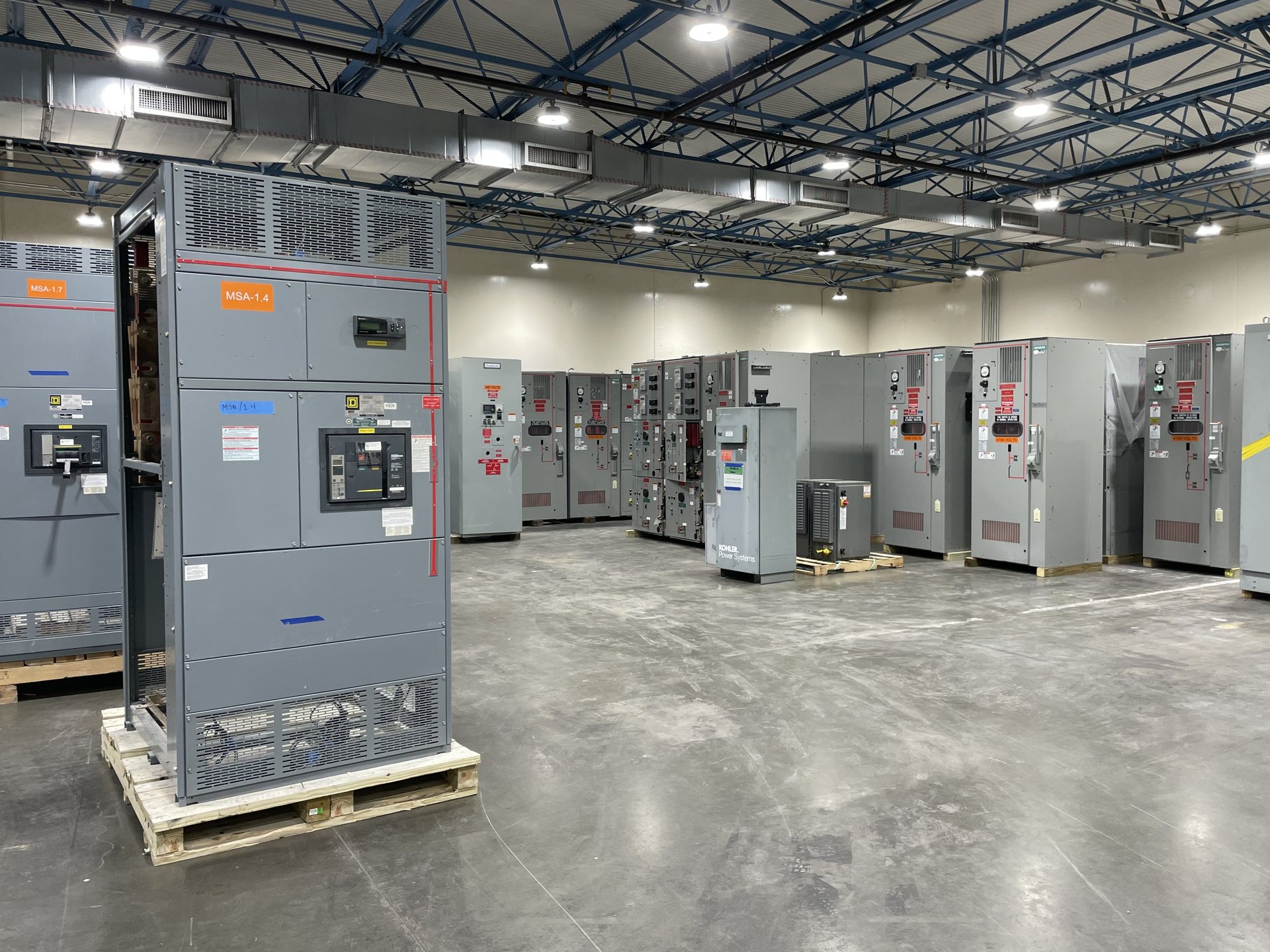
Begin with what is known about the equipment, not with an assumed removal plan. An owner might identify a lineup, associated components, or surplus items from an electrical area, while noting that the exact configuration or condition has not been confirmed. Florida Switchgear Buyers considers used, surplus, and decommissioned electrical switchgear and related equipment across voltage classes. The particular assets purchased remain subject to review; an inquiry alone does not establish acceptance.
Describe where the equipment is located
A location description should help distinguish the offered equipment from other property assets. If known, explain which building or level contains it, the room or area name used internally, and whether the items are grouped together or located in separate areas. A simple written description can be more dependable than an informal label such as “old gear,” especially when a site contains equipment that is retained, leased, or outside the proposed sale.
Existing photographs, asset records, room lists, or drawings may be shared if readily accessible and appropriate to provide. They can help reviewers understand what is being offered and what remains uncertain, but should not be treated as a substitute for an on-site determination or as proof of hidden conditions. Do not open equipment, energize it, test it, disconnect it, or move it to improve an inquiry. Missing identification or location details can simply be marked unknown.
Record loading-area information already available
Cutler Bay site access can matter because the route from the equipment area to a loading point may shape whether a proposed purchase is practical. An owner may already know whether there is a designated loading area, a service entrance, a shared receiving zone, or a limited approach route. Share those observations as information, not as a guarantee that a particular crane, rigging arrangement, vehicle, or removal method will fit the property.
If the loading point is not obvious, identify what is uncertain rather than estimating clearances or equipment weights. For example, a seller may know that deliveries use a particular entrance but not whether that entrance can accommodate removal of the offered assets. That distinction gives the buyer a useful question to assess after reviewing the equipment. Only qualified professionals should assess and handle electrical equipment; the seller should not reposition anything to clarify access.
Flag restrictions, hours, and contacts conditionally
Known site rules can prevent avoidable confusion later. A seller may share documented limits on delivery access, visitor check-in, parking, elevator use, noise, or required insurance, if those rules apply to the contemplated equipment removal. If a restriction has not been checked, label it unconfirmed. Likewise, provide operating or access hours only when they are known; do not infer an available work window from ordinary business hours or a past delivery practice.
Name the property contact who can explain access procedures, along with the seller’s own role in approving information or coordinating with that contact. The relevant person might be a facilities representative, property manager, or another authorized contact, but the seller should not assume that any one role has authority. Sharing a contact does not authorize entry or establish a removal date. Coordination about logistics follows equipment review and any agreement on the assets to be purchased.
Keep removal planning contingent on review
A potential sale becomes a logistics discussion only after the offered equipment has been reviewed and the precise assets to be purchased are established. That sequence matters when a site has multiple lineups, associated items, or equipment that must remain in service or under another owner’s control. Marking boundaries in records or photographs, where already available, can reduce ambiguity; it does not authorize anyone to access, isolate, or alter the equipment.
For assets purchased, Florida Switchgear Buyers handles crane, rigging, disconnects, loading, freight, and hauling. The appropriate arrangements depend on review and the agreed assets and circumstances, so an initial access description cannot secure a particular method, schedule, or scope. This equipment purchase and removal process is not a promise to clear an entire building, demolish a facility, or provide general electrical services. No seller testing is required.
Send a clear inquiry without filling gaps
A concise inquiry can combine the asset description with known location and access facts, then identify unresolved items plainly. For instance, a hypothetical owner could state that records identify surplus switchgear in a named area, the loading zone is known, and site access hours still need confirmation. That is more useful than presenting assumptions as settled facts. Florida Switchgear Buyers makes cash offers for equipment it agrees to purchase and pays upfront for purchased equipment; an offer and purchase scope depend on review.
To discuss a potential sale, contact Florida Switchgear Buyers at (614) 715-3047 or saleselectricalbuyers@gmail.com. The owner can share existing accessible documentation or photographs and note who can answer property-access questions. There is no need to test the equipment or prepare it for removal. Any next discussion about access, handling, or freight should relate to assets under review and proceed only after the equipment and purchase scope have been considered.