Start with the equipment record, not assumptions
A Rockledge seller considering a switchboard sale can begin with information already available: panel schedules, equipment lists, prior purchase records, or photographs of accessible exterior labels. These may help distinguish a main section from feeder sections without drawing conclusions about how the board is currently configured. The documents describe what was recorded; they do not establish present operating condition or prove that every listed section remains in place.
For example, a hypothetical owner may have a schedule naming a main section and several feeder sections, while an exterior label shows a different identifier. Preserve both references and note where each came from rather than choosing one as correct. If a schedule is absent, say so. If a label is unreadable in an existing photograph, mark that detail unknown instead of filling the gap from memory.
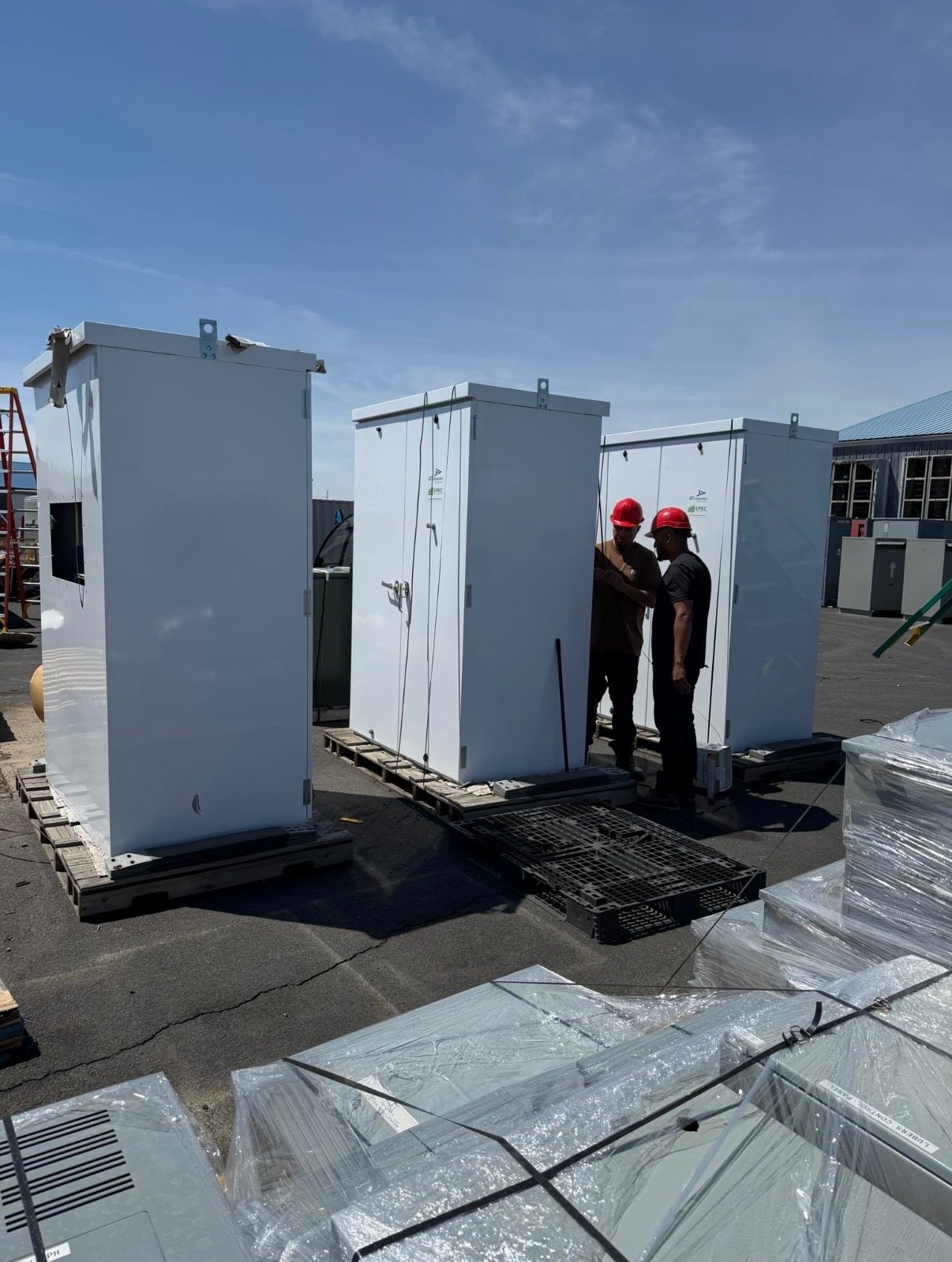
Describe the sections being offered
A useful inquiry names the proposed sale group as specifically as existing records allow. It might include one identified main section and two feeder sections, or only feeder sections if the main is excluded. State whether the equipment is believed to be complete, whether associated sections are included, and which items are outside the proposed sale. These are seller-reported scope details for review, not confirmation that every component will be purchased.
Section boundaries matter because a switchboard can be discussed as one assembly even when the seller intends to offer only part of it. If the records identify lineups or section numbers, report those labels and indicate which sections they refer to. Where the relationship between sections is uncertain, leave it unresolved. Florida Switchgear Buyers reviews the proposed assets, and the precise equipment purchased depends on that review.
Report ratings as recorded
Include amp and voltage ratings only when they appear in accessible records or on existing exterior labels. Attribute each value to its source: for instance, “schedule reports” or “label appears to state.” If the main and feeder sections have separate recorded ratings, keep those entries separate rather than assigning one value to the whole board. This avoids turning partial documentation into an unsupported specification for every section.
A rating can help identify equipment for a potential purchase, but it does not establish compatibility, condition, or suitability for another installation. If a value is missing, obscured, inconsistent across documents, or remembered but not documented, identify it as unknown or conflicting. Do not try to resolve the difference by opening equipment or conducting a test. Seller testing is not required for an offer review.
Record visible condition without diagnosing
Describe only what can be reported from existing photographs or observations made without handling the equipment. Examples include visible cabinet damage, missing doors apparent in a photo, corrosion-like discoloration, or labels that appear intact. Use cautious wording: a photograph may show a mark, but it cannot establish its cause or the internal condition of a switchboard. If no images are available, say that condition documentation is unavailable.
This distinction is especially useful when a seller has inherited records or is clearing equipment from a property. A prior inventory may describe a section as complete, while a later image appears to show an exterior part missing. Report both facts with their dates or sources if known; do not treat either as a technical inspection. Only qualified professionals should handle electrical equipment, and the seller should not open, test, energize, isolate, disconnect, or move it.
Handle incomplete drawings transparently
Drawings can clarify section naming and intended groupings, but missing drawings are not evidence that the equipment is incomplete or unusable. Tell the buyer whether one-lines, elevations, or other drawings are available, unavailable, or of unknown status. If an old drawing exists, identify it as historical unless its currency is known. A mismatch between a drawing and a schedule should be disclosed as a discrepancy, not interpreted as proof of a present installation arrangement.
A hypothetical Rockledge seller might have panel schedules and exterior identification but no drawings for the board. That is still useful information: the inquiry can describe the available schedule, the labels visible in existing images, and the absent drawings separately. Do not reconstruct a lineup from memory or infer connections from a drawing. The review can proceed on the information supplied, with unresolved details clearly marked for consideration.
Prepare a focused purchase inquiry
Florida Switchgear Buyers purchases used, surplus, and decommissioned switchgear and related equipment across voltage classes, including equipment from decommissioned data centers and closed power plants. A Rockledge inquiry may include a switchboard main and feeder sections for consideration, but neither location nor equipment category guarantees acceptance. The company makes cash offers and pays upfront for equipment it purchases; the offer and exact assets remain contingent on review.
When contacting the company, share available schedules, exterior-label photographs, reported ratings, visible-condition notes, and a clear list of included and excluded sections. Missing information can remain explicitly unknown; no seller testing is necessary. For equipment purchased, the company handles crane, rigging, disconnects, loading, freight, and hauling. This concerns purchased equipment, not wholesale facility demolition or general electrical contracting. Contact (614) 715-3047 or saleselectricalbuyers@gmail.com.