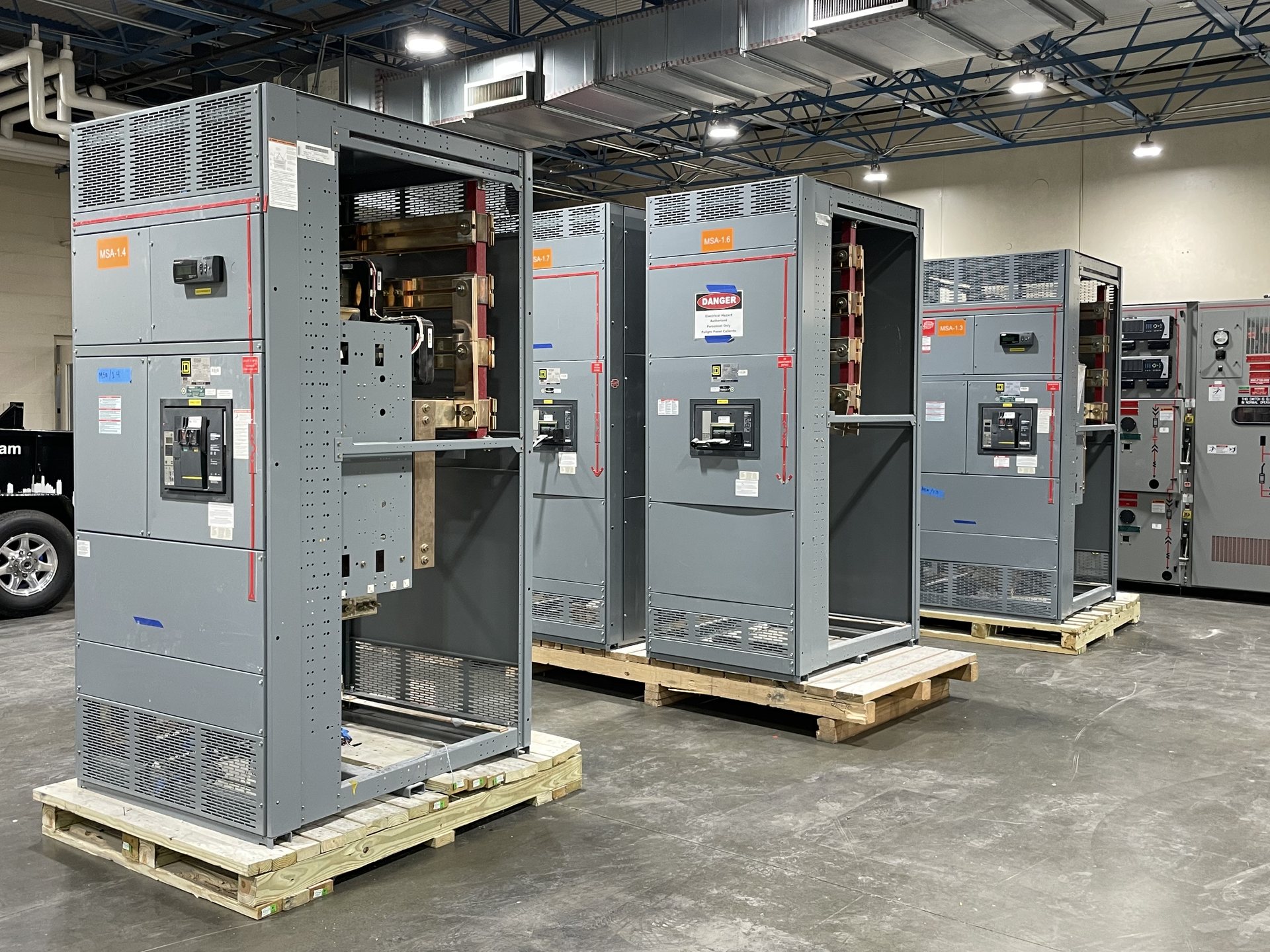
Separate the inventory before describing it
A hypothetical seller in Palm Beach Gardens may have switchgear accumulated from different projects or operating periods, with manufacturer names appearing across cabinets, doors, labels, and records. Start the sale description with an inventory organized by equipment type and manufacturer, rather than one combined count. Keep the location and identity of each item tied to its existing label or record; if either is unclear, mark it unknown instead of assigning a likely match.
A lineup, breaker, or section should remain associated with the equipment it is documented to belong to. If a handwritten note places a breaker with one lineup but an inventory sheet lists another, preserve both references and flag the conflict. That changes the description from “breaker included with lineup” to “association uncertain,” giving a buyer a chance to review the evidence without treating a guess as an established fit.
Distinguish similar-looking equipment from compatible equipment
Different manufacturers may use similar cabinet shapes, labels, or component arrangements. Appearance alone does not establish that sections, breakers, or other parts interchange, and a seller should not describe a component as interchangeable unless reliable existing documentation supports that statement. Where the records do not establish compatibility, identify the visible manufacturer and model information if already accessible, then state that interchangeability is unconfirmed.
The distinction matters when describing a mixed inventory as complete or as containing spares. For example, a breaker stored beside a lineup may be physically nearby without being documented as part of it. List it separately and note the uncertain relationship. Do not imply that a buyer can use it in a particular section merely because its label or appearance seems similar; the offer and assets considered remain subject to review.
Reconcile quantities without hiding discrepancies
Count by identifiable item or existing record, and distinguish a confirmed count from an estimate. If one spreadsheet lists six sections and another lists five, record both figures with the source of each entry rather than choosing the larger number. A buyer reading that account can understand the discrepancy and decide what further review is needed; the conflicting records do not establish that either quantity is correct.
Use separate counts for lineups, sections, breakers, and loose components when the records support those distinctions. If a document gives a total but does not say whether it includes stored breakers, report the total as recorded and mark its scope unknown. This prevents a headline quantity from unintentionally suggesting more equipment than is identifiable, while preserving information that may help assess the proposed sale.
Describe condition and documentation carefully
Existing photographs, nameplate images, inventory sheets, and other accessible records can help identify the equipment without requiring the seller to test it. Share only what is already available and safe to access. If a model number, voltage class, condition, or operating history is absent from the records, label it unknown rather than inferring it from nearby equipment, a familiar brand, or an old project description.
Condition language should separate observation from verified performance. A record saying that a unit was stored, for instance, does not by itself establish that it operates or is suitable for reuse. If the inventory contains a note about missing parts or visible damage, attribute it to that note or photograph and avoid extending the claim to other items. Seller testing is not necessary, and only qualified professionals should handle electrical equipment.
Define what is included in a potential sale
A useful proposed inventory identifies which listed assets the seller is offering and which items are excluded, still in service, or of uncertain ownership. If breakers or loose components are present but their relationship to a lineup is unresolved, show them as separate entries rather than silently bundling them. This helps distinguish the equipment actually being offered from nearby property and leaves the buyer to review the precise assets under consideration.
Florida Switchgear Buyers purchases used, surplus, and decommissioned electrical switchgear and related equipment in all voltage classes, including equipment from decommissioned data centers and closed power plants. It makes cash offers and pays upfront for equipment purchased. An offer and the precise assets purchased depend on review, so neither a mixed-brand inventory nor a preliminary count guarantees acceptance or establishes a value.
Coordinate review and removal within the sale scope
For equipment purchased, Florida Switchgear Buyers handles crane, rigging, disconnects, loading, freight, and hauling. That removal arrangement concerns purchased equipment; it is not a promise to demolish an entire facility or provide general electrical contracting. Sellers should not open, test, energize, isolate, disconnect, move, or otherwise handle equipment to prepare it for review. Any electrical work or handling must be left to qualified professionals.
A seller can send an organized inventory and existing accessible documentation for consideration, including notes that identify unresolved manufacturer, lineup, or quantity conflicts. For contact, call (614) 715-3047 or email saleselectricalbuyers@gmail.com. In the message, distinguish confirmed entries from estimates and unknowns, and identify any records that disagree. That gives the review a clear account of what is being offered without implying a particular price, acceptance, or schedule.