Start with the owner’s inventory
A stored-equipment inquiry often begins with an inventory assembled for accounting, insurance, or a move—not for a sale. A hypothetical North Miami Beach owner might have a spreadsheet that calls an asset “main switchboard,” while its accessible label identifies a different assembly or includes a more specific designation. Share the list as it exists, and flag entries that are shorthand, outdated, or not yet matched to a particular item rather than silently treating them as confirmed.
The useful task is reconciliation, not creating certainty where none exists. If one inventory line could refer to several stored units, note that ambiguity and provide any existing photographs that help distinguish them. A serial or model number visible in an existing image can be more informative than a broad description, but do not approach or open equipment to obtain one. Florida Switchgear Buyers reviews used, surplus, and decommissioned switchgear and related equipment across voltage classes; the precise assets considered for purchase depend on review.
Connect labels to existing photographs
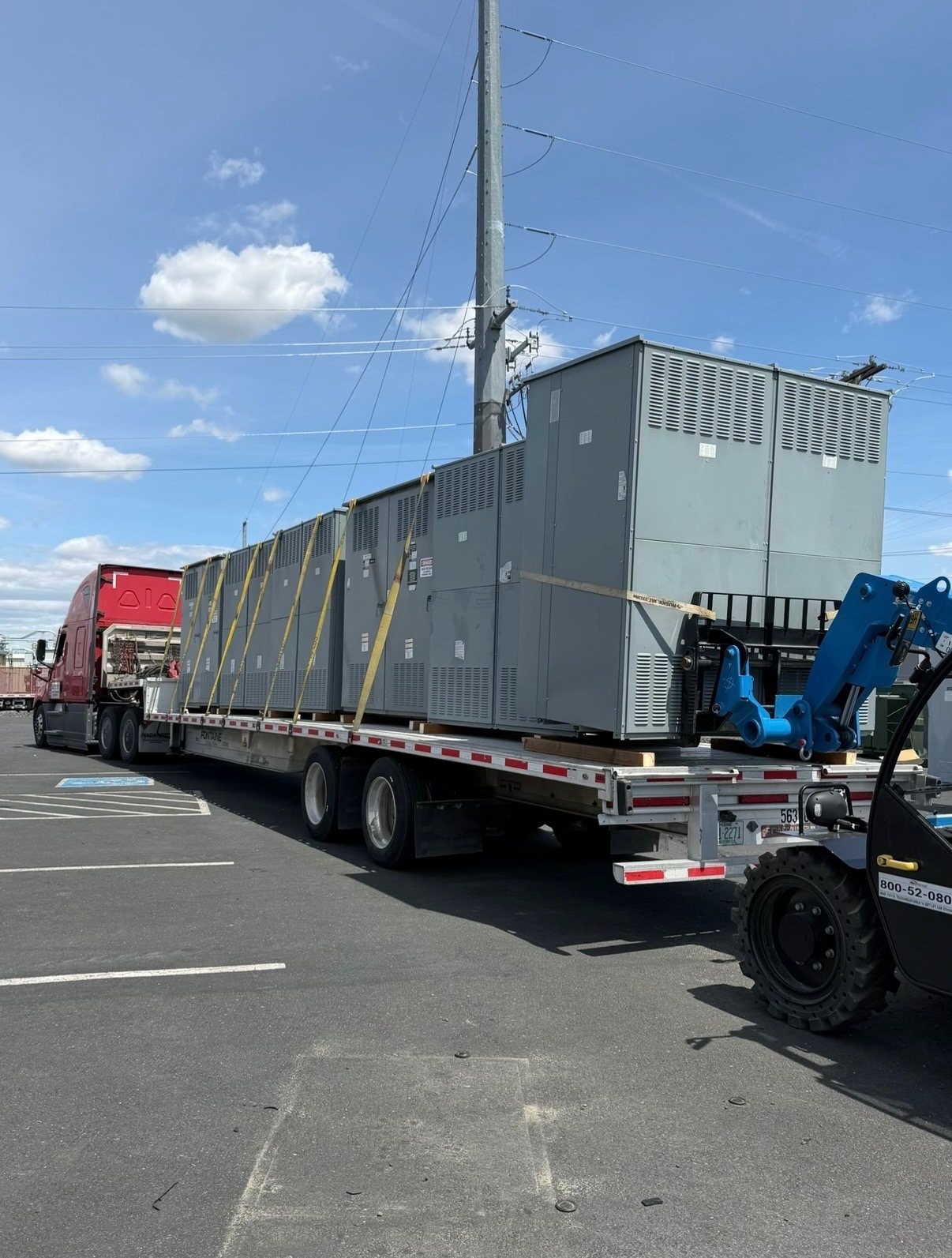
Photographs are most helpful when their relationship to the owner’s list is clear. If files already show an equipment label and a wider view of the same item, identify them together by a consistent inventory reference. Where the images cannot establish which unit is pictured, say so. A photo of a row of equipment may document grouping or visible packaging, while a close-up may show a label; neither necessarily proves that every listed component is present.
Avoid interpreting a photograph as a condition report. It can document what was visible when the image was taken, not the present internal state or operational fitness of the equipment. If a label is unreadable, partly obscured, or absent from the available images, record that limitation rather than guessing at the manufacturer or rating. No seller testing is necessary, and sellers should not open, energize, or otherwise handle equipment to improve the documentation.
Record packaging and storage history
Describe packaging in observable terms: for example, whether an existing record says an item is crated, wrapped, or stored without protective packaging, and whether photographs show that packaging intact or visibly damaged. Keep the distinction between a recorded fact and a current observation. If packaging has not been inspected recently, state the date or source of the information when known, or simply mark its present status unknown.
Storage history may help explain gaps between the inventory and what can be documented, but it should not become an unsupported claim about condition. A seller might know that an asset was placed in storage at a certain point while not knowing whether it was later exposed to moisture or moved within the site. Preserve that uncertainty plainly. Do not infer that equipment is sale-ready, damaged, or complete solely from how it was stored or wrapped.
Make access authority explicit
A handoff can stall when the person answering questions is not the person authorized to arrange access. Identify the owner or representative who can grant access to the stored equipment, and distinguish that person from an inventory contact, property manager, or records custodian if they have different roles. This is particularly useful when a seller’s list was prepared by one party but the equipment is held under another party’s control.
Access information is for coordinating review of a potential purchase, not permission for the seller to perform electrical work or prepare equipment. If entry requires an appointment, escort, or approval, describe the known requirement and identify who can confirm it. Florida Switchgear Buyers handles crane, rigging, disconnects, loading, freight, and hauling for equipment it purchases. That does not make an inquiry a commitment to buy every listed asset or a proposal for facility demolition.
Separate known facts from unknown condition
A useful record can be specific without overstating what is known. Mark condition as unknown when the owner has no reliable information, and attribute any existing description to its source—for instance, an older inventory note rather than a recent inspection. If visible exterior damage appears in an existing photograph, describe what the image shows and when it was taken, without drawing conclusions about internal components or suitability.
This distinction helps reviewers assess the inquiry against the assets actually documented. One unit may have a readable label and several clear images, while another may be identified only by a broad inventory entry. Those differences are worth preserving rather than smoothing into a single assumed condition. Qualified professionals must handle electrical equipment; the seller need not test it. An offer, including which items may be purchased, is contingent on review, so unknowns should remain visible in the handoff.
Prepare a review-ready handoff
Before sharing records, use a simple cross-reference that connects each inventory entry to any existing label image, broader photograph, packaging note, and known storage-history detail. Add a field for “unknown” where information is missing, and note who can authorize access. This makes a small, incomplete record more useful than a larger file in which photographs, asset names, and access contacts cannot be matched confidently.
For a potential sale, send the materials you already have and explain any unresolved mismatch; do not delay solely to arrange seller testing. Florida Switchgear Buyers makes cash offers and pays upfront for equipment it purchases, with the purchase scope subject to review. To discuss stored equipment, contact (614) 715-3047 or saleselectricalbuyers@gmail.com. Keep the inquiry focused on identifiable assets and the access handoff, rather than assuming that every item in a facility or inventory will be included.