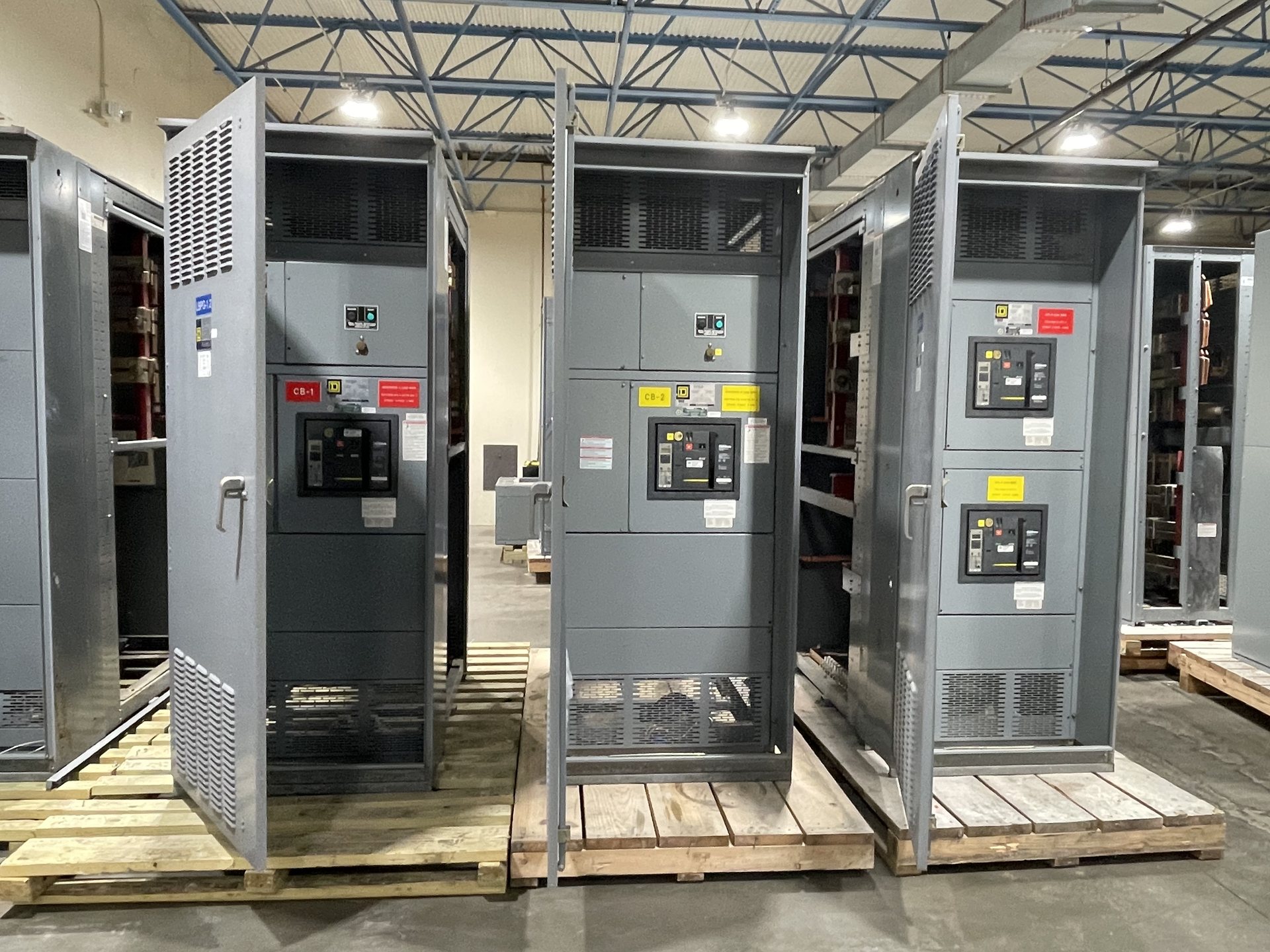
Match the offer to the separated inventory
A seller reconciling an asset list with separated motor control center (MCC) buckets should treat the list as a starting point, not proof of what is available. Compare each recorded line with the buckets actually being offered, noting quantities and any differences in wording or count. If an entry describes a complete MCC lineup while only individual units remain, make that distinction clear before seeking an offer.
For example, a hypothetical Clewiston seller may find several loose buckets listed under one parent assembly, with no record showing whether every listed unit is still present. Report the count physically observed by someone authorized to conduct the inventory, and mark the discrepancy rather than filling it with an assumption. An offer and the specific assets considered for purchase depend on review of the information provided.
Capture labels without implying fit
Record legible bucket labels as written, including model or catalog identifiers when visible, and keep uncertain characters marked as uncertain. A label can help identify an item, but it does not establish that the bucket fits a particular MCC section or is interchangeable with another unit. Do not infer suitability from similar wording, appearance, or a shared asset-list description.
Where controller or starter identification is already known from accessible records, include it alongside the relevant bucket label. If that information is unavailable, say unknown; do not open equipment or ask anyone to inspect internal components to complete the inventory. Existing photographs and documentation may be shared if accessible. Seller testing is not necessary for a purchase review.
Describe visible condition carefully
A useful condition note separates visible external observations from conclusions about operation. An authorized observer might report that a cover appears present, a label is partly unreadable, or packaging is damaged, if those details are already observable without handling the equipment. Avoid statements such as operational, tested, or ready for installation unless supported by existing documentation—and do not create that documentation through seller testing.
Condition descriptions should also distinguish an observed concern from an unknown. For instance, a seller may note visible exterior corrosion on one unit while recording that the internal condition is unknown. Neither a clean exterior nor an intact package proves functionality or value. Clear, limited descriptions help a buyer assess what is being offered without overstating condition or inviting unsafe examination.
Keep packaging and parent records linked
If buckets remain in stored packaging, record which packaging is associated with which unit when that relationship is already clear. Note whether packaging is marked, apparently unmarked, or of unknown association, rather than assigning a box to a bucket based only on proximity. Packaging can preserve identification context, but it does not confirm the contents or establish that a unit was protected from damage.
When records identify a parent MCC, preserve that relationship in the inventory if documented: for example, list the parent reference and the associated bucket labels separately. If the link is based only on recollection or is uncertain, label it accordingly. A detached bucket may be reviewed as an individual asset, while a documented association can provide context; neither circumstance promises compatibility or acceptance.
Prepare a reviewable asset summary
A concise submission can group the observed quantity, label transcription, known controller or starter identification, visible external condition, packaging status, and parent MCC reference for each distinct group. Keep unlike items separate even if they share a storage area. Attach existing accessible photos or records only when available, and identify gaps plainly. Do not delay a review to obtain missing specifications or perform tests.
Florida Switchgear Buyers purchases used, surplus, and decommissioned electrical switchgear and related equipment across all voltage classes, including equipment from decommissioned data centers and closed power plants. It makes cash offers and pays upfront for equipment purchased. Whether particular MCC buckets are included, and the offer, depend on review; no price or acceptance should be assumed from an inventory description alone.
Coordinate only for assets selected
For a purchase inquiry, contact Florida Switchgear Buyers at (614) 715-3047 or saleselectricalbuyers@gmail.com. Explain that the items are separated MCC buckets in Clewiston and share the asset summary and any accessible documentation or photographs. The review can then distinguish the units under consideration from the wider inventory. A potential equipment purchase is not a commitment to buy every item listed or to remove unrelated material.
For equipment purchased, the company handles crane, rigging, disconnects, loading, freight, and hauling. Sellers should not open, test, energize, isolate, disconnect, move, or otherwise handle electrical equipment to prepare it; only qualified professionals should handle it. This purchasing and removal arrangement concerns assets selected for purchase, not wholesale facility demolition or general electrical contracting.