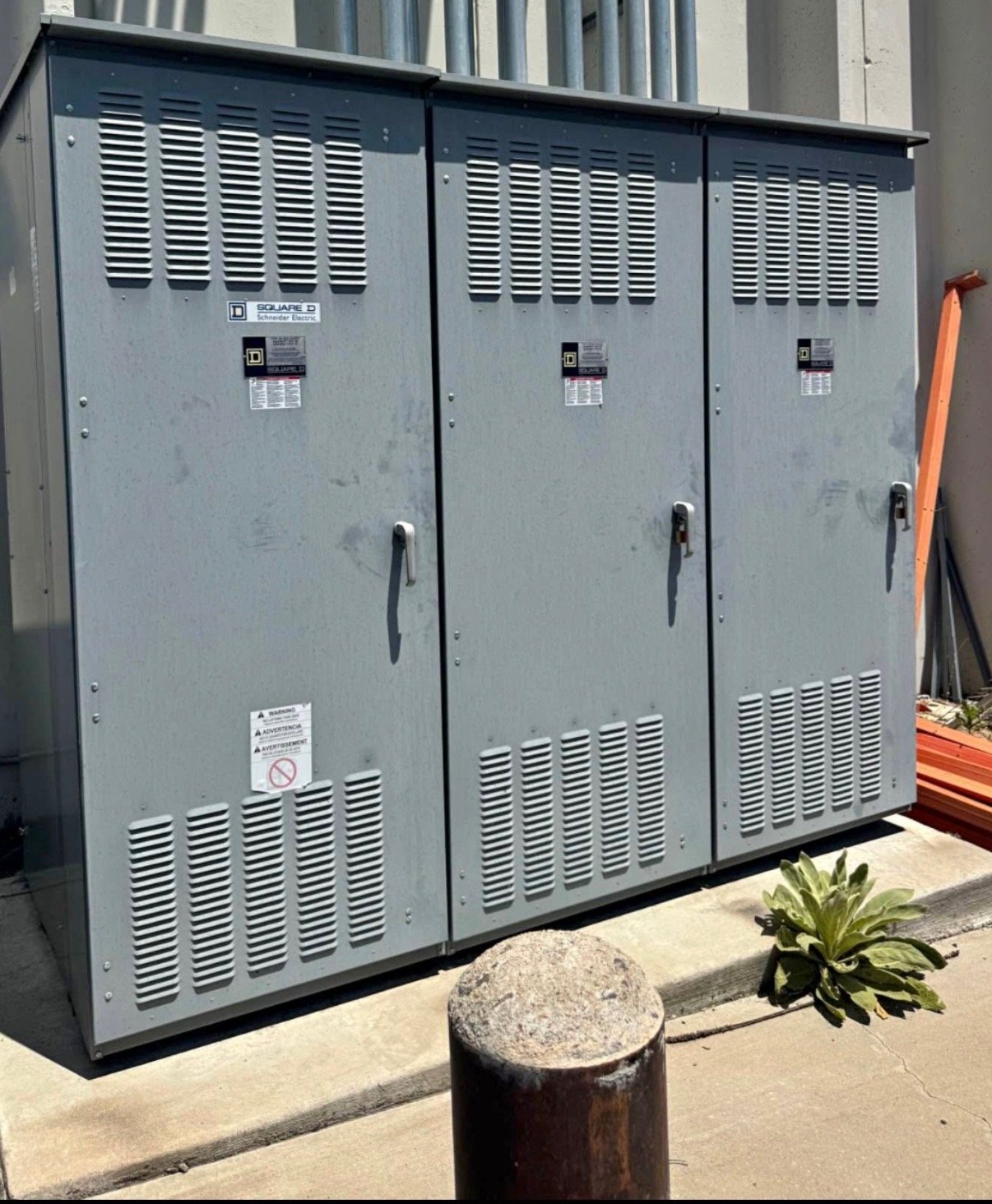
Define the lineup as it appears in the inventory
A St. Cloud seller may find equipment recorded simply as “generator paralleling switchgear,” although that label can cover a multi-section lineup, related control cabinets, and separately stored components. Start with the names and groupings already shown in asset registers, drawings, or project records. Describe what those records identify, rather than assuming every cabinet nearby belongs to the same sale or serves the same function.
If records distinguish incoming, bus, tie, or generator sections, preserve those labels and note the stated quantity of each. They can help a buyer understand the proposed package without implying that the sections are complete or suitable for reuse. If the records do not identify section functions, mark them unknown; a qualified professional may clarify the documentation, but the seller need not inspect or operate the equipment.
Separate equipment ratings from assumptions
Existing schedules and nameplates may state voltage, current, interrupting, or other ratings for particular sections. Record each value with its source and the equipment it appears to describe. Do not transfer a rating from one cabinet to the entire lineup or infer an overall capability from a system drawing. Where a rating is absent, obscured in an existing image, or inconsistent across records, identify that gap rather than supplying an estimate.
A record may describe generator capacity or a facility operating arrangement without establishing the rating of the paralleling switchgear itself. Keep those details separate. If an old schedule and a nameplate appear to differ, share both as documented and flag the discrepancy for review. Florida Switchgear Buyers considers equipment across voltage classes, but any offer and the precise assets considered depend on review of the available information.
Make controls and accessories explicit
Control equipment may be built into lineup sections, housed in a separate cabinet, or listed as an independent asset; the inventory should reflect only what existing records support. Note whether the proposed sale includes identified control panels, synchronizing or load-management components, communications hardware, and documented accessories, if those items are listed. Do not assume a component is present because a drawing depicts it, or included because it is located near the gear.
If controls are expressly excluded, identify that boundary so a buyer can distinguish the switchgear package from items retained for another purpose. If inclusion is undecided, say so. Available records may also identify manufacturer or model information; these are useful identifiers, not proof of compatibility, current condition, or endorsement. Missing control details should remain unknown instead of being filled with a presumed standard arrangement.
Use nameplates and photos as evidence, not a test
Existing accessible photographs can help show lineup arrangement, cabinet identifiers, and visible nameplate information. Share only images already available to the seller or obtained through ordinary records; no one should open an enclosure, approach exposed electrical parts, or create new images by handling equipment. A record photo may be incomplete or dated, so label its source and approximate context when known, and do not present it as confirmation of present condition.
A seller does not need to test the gear for a potential sale. Do not energize, isolate, disconnect, move, or otherwise handle it to answer buyer questions. If the equipment’s condition, completeness, or storage history is not documented, describe that information as unknown. Only qualified professionals should handle electrical equipment; review can begin with records, existing photographs, and the seller’s stated inventory boundaries.
Clarify release status and proposed sale limits
Release status is separate from technical description. A seller may know that an asset is declared surplus, scheduled for decommissioning, or still subject to an internal approval; those are different circumstances and should be stated accurately. If title, authorization, or a required release has not been confirmed, identify it as pending or unknown. A potential buyer can then assess the proposed transaction without treating an inventory label as proof that the gear is available for transfer.
Specify whether the offer request concerns the complete identified lineup, selected sections, or a package with separately listed controls. Also distinguish equipment offered for purchase from material retained, already removed, or outside the seller’s authority. Florida Switchgear Buyers buys used, surplus, and decommissioned switchgear and related equipment, including generator paralleling gear when accepted after review. A request for review does not establish that every listed asset will be purchased.
Plan removal only for equipment purchased
Once the proposed assets and release conditions are clear, a seller can ask Florida Switchgear Buyers to review the available information and make a cash offer. For equipment purchased, payment is made upfront, and the buyer handles crane, rigging, disconnects, loading, freight, and hauling. Those arrangements concern purchased equipment only; they are not a commitment to remove excluded assets or undertake wholesale facility demolition or general electrical work.
To discuss a St. Cloud inventory, contact Florida Switchgear Buyers at (614) 715-3047 or saleselectricalbuyers@gmail.com. Useful starting material may include existing section lists, ratings, control inclusions, release status, and available nameplate photos, with uncertain points plainly marked. No seller testing is required. Any offer, the assets purchased, and removal arrangements remain contingent on review; no schedule or acceptance should be assumed before that review.