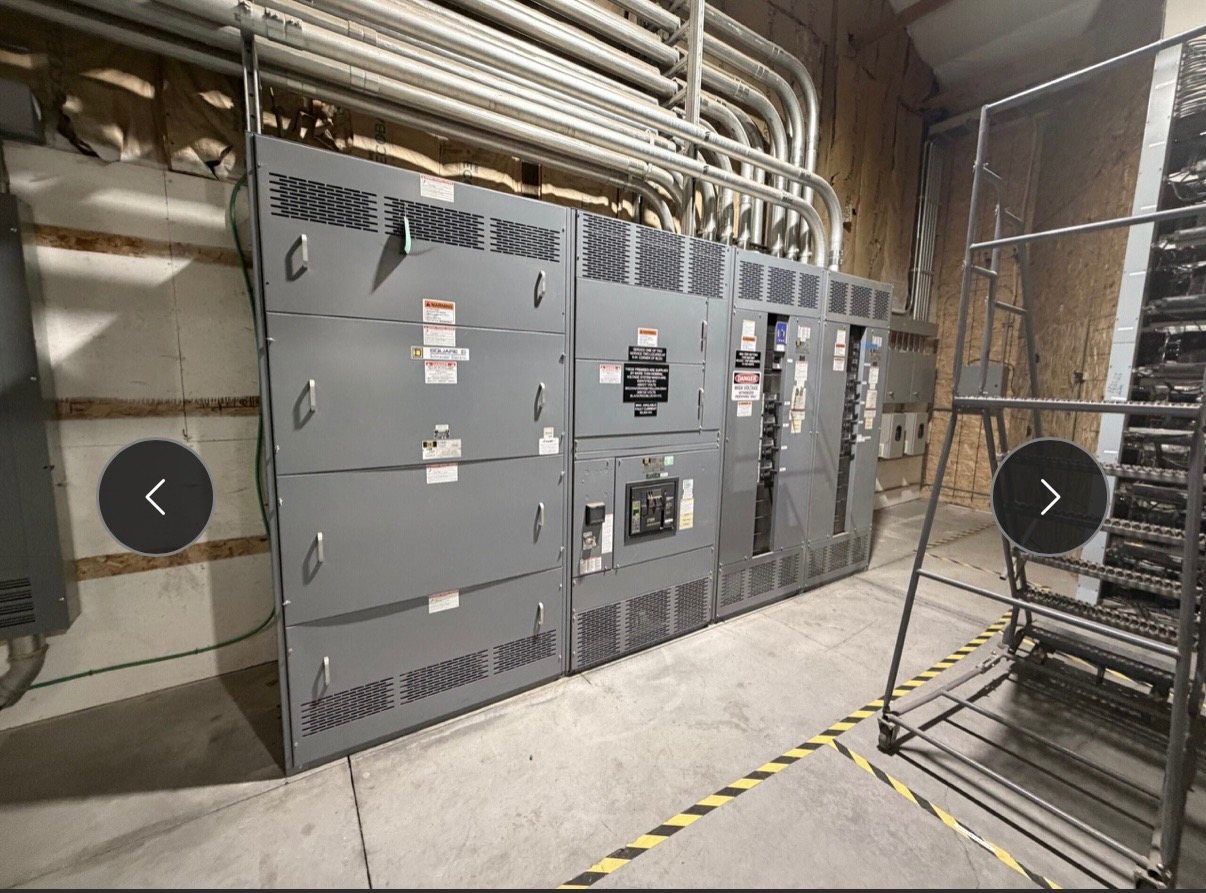
Define the new boundary of the sale
A change in building use can leave some electrical distribution equipment unnecessary while other equipment still supports areas that remain occupied or serve a new purpose. For a hypothetical Miami Springs owner converting part of a building, the first useful distinction is not which gear looks old or idle; it is which specific assets are authorized for consideration and which must remain. Treat the sale scope as an equipment list, not as a general description of the property.
Identify assets by the labels and records already available, such as a lineup designation, room reference, or existing inventory number. If those identifiers are incomplete, say so rather than inferring a configuration from appearance. Separate items that may be offered from items expressly retained, and flag any shared or uncertain boundary for review. This helps prevent an inquiry about surplus equipment from being mistaken for permission to remove equipment still needed by the building.
Establish who can approve a sale
A building owner, tenant, property manager, and equipment owner may not be the same party. Before presenting assets as available, the hypothetical seller should establish which person or organization owns them and who has authority to approve their sale. If a lease, financing arrangement, sale agreement, or internal approval process affects disposition, note that condition and resolve it through the responsible parties rather than assuming possession means authority.
Where several stakeholders have roles, clarify who can confirm scope, accept an offer, and coordinate access for equipment that is purchased. A facilities representative might identify equipment while an owner or authorized signatory makes the commercial decision; those functions need not belong to one person. If authority remains pending, describe the inquiry as preliminary. An offer and the precise assets purchased depend on review, so clear authorization protects both the seller’s process and the retained equipment.
Preserve records without filling gaps
Share existing, accessible documentation that helps identify the equipment, such as available schedules, prior inventories, nameplate photographs, drawings, or purchase records. The records need not be complete to begin a review. State which files relate to which listed assets, and distinguish a current record from an older document whose accuracy has not been confirmed. Do not create a specification by combining fragments or present an uncertain rating, manufacturer, or operating status as established fact.
A missing record is useful information when labeled plainly. For example, a seller may have a lineup label but no corresponding drawing, or a photograph may not show every identifying detail. Mark those points unknown and let the review determine what else is needed. Florida Switchgear Buyers buys used, surplus, and decommissioned switchgear and related equipment across voltage classes; sellers are not required to test equipment. Existing records and photos can support identification without asking anyone to inspect it physically.
Describe condition as known, not assumed
A change in use does not establish whether surplus equipment is serviceable, complete, compatible with another installation, or valuable. If the seller has reliable existing information about its history or known limitations, report the source and scope of that information. Otherwise, describe observable documentation rather than offering a condition conclusion. Avoid treating a past operating date, a clean exterior in a photograph, or a familiar brand name as proof of present performance.
A potential buyer may review equipment details and decide whether to make an offer for particular assets. The seller should therefore keep unknowns visible instead of promising that every item in a room will be accepted. Florida Switchgear Buyers makes cash offers and pays upfront for equipment purchased; neither an offer nor the assets included can be assumed before review. Mention brands only to identify equipment, not to suggest an affiliation, endorsement, or guaranteed marketability.
Make access limits part of the inquiry
A property undergoing a use change may have restricted rooms, operating areas, scheduled occupants, controlled entry, or limited access windows. Explain the constraints that are already known, including who controls entry and whether access requires advance coordination. Do not imply that equipment can be reached or removed until the relevant parties confirm the permitted route and conditions. If access details are unknown, mark them as unresolved rather than supplying an assumed plan.
Only qualified professionals should handle electrical equipment. A seller should not open, test, energize, isolate, disconnect, move, or otherwise handle equipment to prepare an inquiry; available photographs and records are sufficient to share. For assets purchased, Florida Switchgear Buyers handles crane, rigging, disconnects, loading, freight, and hauling. That purchasing and removal arrangement is not a promise of whole-building demolition, general electrical work, or a service for assets that are not purchased.
Submit a bounded, reviewable inventory
A useful inquiry ties each proposed asset to its status: offered for review, retained, or uncertain pending approval. Include available identifiers, records, photographs, known access restrictions, and the name or role of the person authorized to discuss disposition. Keep facility-wide changes separate from the equipment transaction. The building’s future use may explain why certain assets are surplus, but it does not itself establish that all electrical equipment is available or that a sale will proceed.
For a review of used, surplus, or decommissioned switchgear and related equipment, contact Florida Switchgear Buyers at (614) 715-3047 or saleselectricalbuyers@gmail.com. Share only information already accessible, identify gaps directly, and indicate which items are definitely outside the proposed sale. This gives the buyer a clearer basis to assess the specific equipment while leaving acceptance, purchased scope, and any access arrangements contingent on review and coordination.